
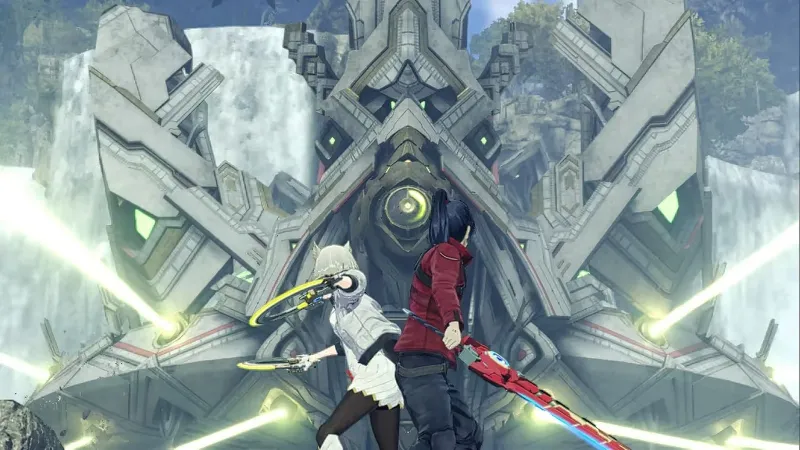
Monolith Soft has struggled to recapture the magic of the original 2012 Xenoblade Chronicles, and the series’ third installment, Xenoblade Chronicles 3, unfortunately continues the downward trend seen in Xenoblade Chronicles X and 2. While the game boasts exceptional combat mechanics and deep character progression, it ultimately suffers from a bloated, lifeless open world and an uninspired narrative anchored by one of the franchise’s weakest ensemble casts.
Mastering the Battlefield: Combat and Classes
XC 3 utilizes a fluid real-time battle system where “Arts”—skills mapped directly to controller buttons—create a satisfying, rhythmic flow to combat. By canceling auto-attacks into Arts and managing cooldowns, the early game feels responsive and rewarding. Pushing into tougher territory forces a deeper engagement with the game’s systems, from managing healer positioning and AoE tactics to executing chain-toppling combos. Every tactical choice feels impactful.
The class system provides a much-needed layer of excitement. The six core party members can swap roles, while “hero” characters—recruited through side quests—introduce rare, hybrid playstyles. Whether you are building a tank with high defensive stats or a dexterous DPS, the ability to customize your squad is a highlight. Switching between a heavy-guard taunter and a dual-wielding attacker makes mid-to-late-game encounters genuinely invigorating.
Power Trips: Interlinks and Chain Attacks
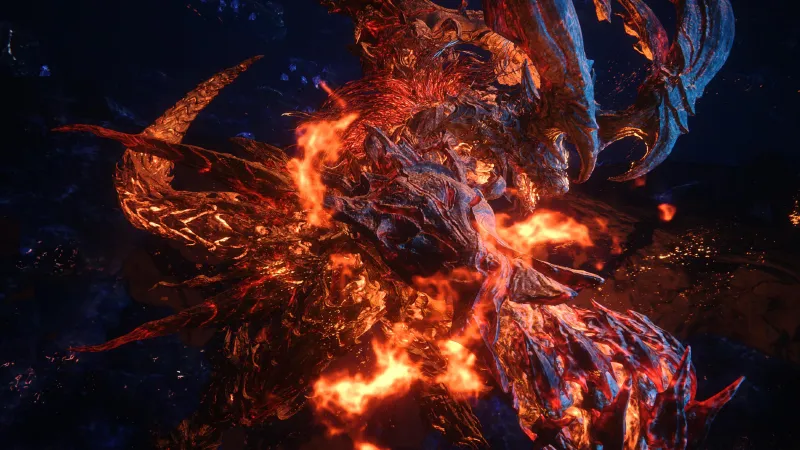
The combat truly shines through Interlinks and Chain Attacks. Filling your gauges allows you to fuse two party members into “Ouroboros,” a giant humanoid robot capable of decimating bosses. Meanwhile, Chain Attacks pause the action for a sequence of team-wide specials, delivering massive damage and tactical bonuses. These features provide a visceral sense of power that keeps the experience engaging, even when the surrounding story begins to falter.
A Narrative Lacking Depth
The story follows two nations, Keves and Agnus, locked in a brutal war where soldiers have a maximum lifespan of only 10 years. When protagonists Noah, Eunie, Lanz, Mio, Taion, and Sena unite to find a new purpose, the premise feels derivative—bearing a striking resemblance to last year’s Tales of Arise. Unlike that title, however, XC 3’s cast feels like a collection of forgettable caricatures. Stiff animations and repetitive, grating combat barks (“I’m the MVP!”) undermine any attempt at emotional resonance.
Lifeless Environments and Repetitive Exploration
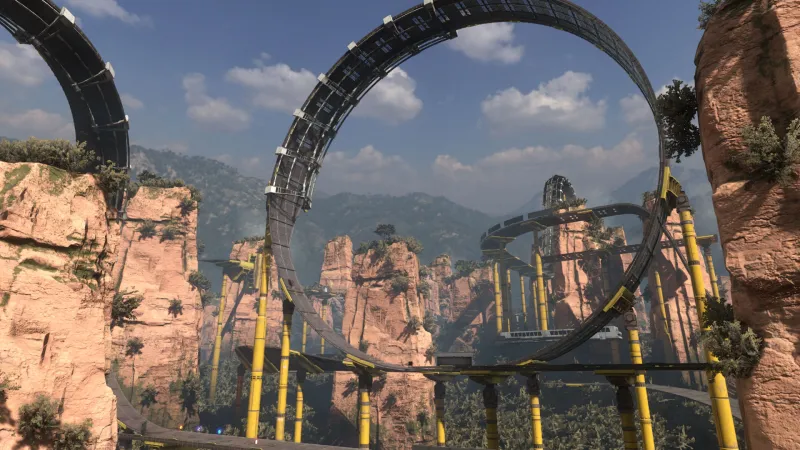
The superficiality of the cast is mirrored in the world design. The environments lack the awe-inspiring vistas that defined earlier entries in the series. While the map is filled with creatures and collectible items, the world feels barren. Players will spend hours traversing generic forests, deserts, and mountains to reach story checkpoints that rarely deliver on their potential.
Progression Systems: The Saving Grace
Character progression is the glue holding the experience together. At various campsites, players can level up, craft stat-boosting gemstones, and cook meals to optimize XP and Class Point (CP) gains. The Interlink skill tree allows for further augmentation of your Ouroboros forms. While these systems offer impressive depth, the constant loop of fetch quests and repetitive monster hunting eventually loses its luster after dozens of hours.
Ultimately, Xenoblade Chronicles 3 is a double-edged sword. While it offers refined quality-of-life improvements, customizable hotbars, and a robust combat engine, the game is held back by predictable plot twists, static character growth, and uninspired world design. It is a massive adventure that, despite its technical competence, lacks the sharp edge needed to be truly memorable.