
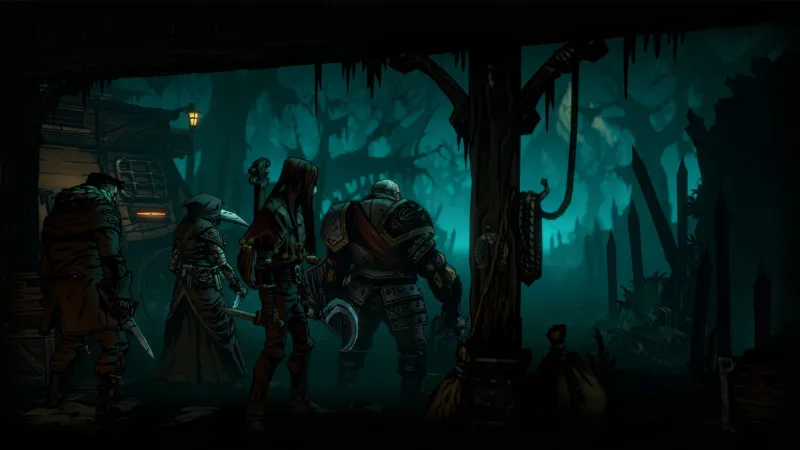
Darkest Dungeon II is a punishing, unforgiving journey where a single tactical error or a streak of bad luck can instantly terminate your two-to-three-hour expedition. With no checkpoints, a party wipe forces you to restart from the beginning, retaining only a fraction of your unlocked upgrades. While this unforgiving design is undeniably nerve-racking, it stands as the most cathartic and rewarding experience in the genre since its 2016 predecessor.
Mastering the Tactical Grind
The core gameplay loop remains centered on managing a party of four distinct heroes, navigating turn-based combat where positioning, synergy, and RNG play vital roles. Combat is a delicate balance of variable damage ranges, buffs, and debuffs, requiring players to account for the constant possibility of a missed shot or a lucky critical hit.
The combat system is a complex puzzle that rewards deep experimentation. Spending hours testing hero combinations and learning how specific characters interact in different formations is deeply satisfying. However, this satisfaction is tempered by the volatility of the game; failing to secure a kill by a single point of damage can trigger a devastating counterattack, turning a promising run into a disaster.
The Psychological Toll: Stress and Affinity
The signature stress mechanic returns to complicate every encounter. When a hero’s stress gauge hits its limit, they suffer a meltdown, losing the majority of their health. While rare positive outcomes exist, witnessing five consecutive meltdowns during a high-stakes battle is a crushing experience. Yet, the game possesses a unique “hook”—that rare ability to make you feel both infuriated and utterly fascinated, compelling you to dive back into the fray despite the mounting tension.

The new affinity system adds another layer of unpredictability. Your decisions throughout the run dictate how heroes perceive one another, potentially causing them to turn against each other and apply negative status effects to your skills. Adapting to a crumbling team dynamic mid-run is infuriating, but successfully overcoming these odds provides a profound sense of accomplishment. Conversely, fostering positive relationships can yield powerful combo attacks and unexpected tactical advantages.
Exploration and the Path Ahead
Beyond the combat, players navigate unsettling, beautifully rendered regions via the Stagecoach. This vehicle is susceptible to road hazards, which can force unwanted combat encounters. Players must strategically choose their paths, often balancing known risks against the temptation of the unknown.
Even after 40 hours of gameplay, the drive to optimize team compositions and unlock lingering upgrades remains strong. While the game can occasionally feel blatantly unfair—and the lack of mid-run checkpoints or more accessible early-game items may alienate some players—there is a remarkable beauty in finding order within such profound chaos.
The moments of pure relief following a hard-fought victory are what define the experience. Darkest Dungeon II is a harsh, demanding, and fantastic title. Its high-stakes combat and perilous exploration are designed to ensnare you for hours; if you are prepared to make the necessary sacrifices, it is an essential journey.