
Eiyuden Chronicle: Hundred Heroes, the long-awaited spiritual successor to Suikoden developed by Rabbit and Bear, successfully revives classic JRPG sensibilities through sharp writing and deep character development, despite being occasionally hampered by outdated design choices.
A Modern Echo of Suikoden
The game follows the journey of Nowa, a mercenary in the Eltisweiss Watch, whose role in maintaining local peace quickly escalates into a global conflict. Players familiar with the Suikoden series will find the structure instantly recognizable: the gameplay loop is firmly rooted in a mix of world exploration, character recruitment, and extensive dungeon crawling. While the game initially struggles to shed the weight of archaic design tropes, the strength of its narrative and the depth of its cast quickly prove that the experience is more than just a nostalgic throwback.
Combat and Customization
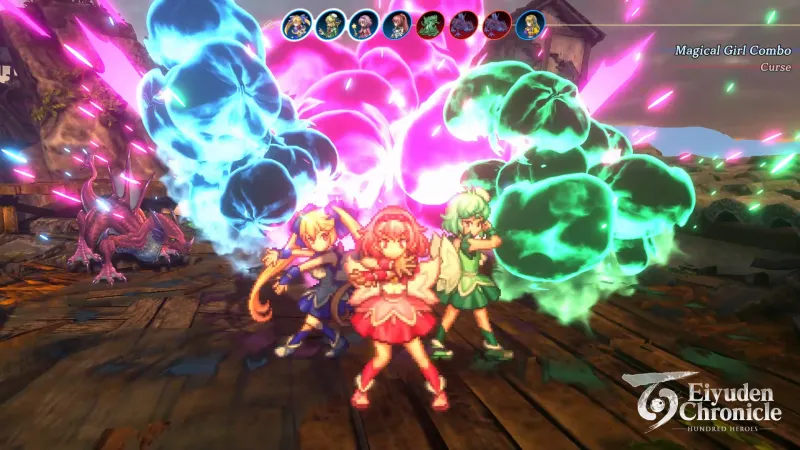
Combat in Hundred Heroes builds upon the foundation of Suikoden 2, offering a refined six-member party system that emphasizes tactical depth. Players can leverage a robust rune system to grant unique abilities and buffs, allowing for significant party customization. The true satisfaction emerges when players begin to chain character attacks and execute unique combos, turning standard encounters into strategic displays of synergy.

The Power of a Massive Cast
Recruiting over 100 heroes is central to the game’s identity. While some characters join the cause automatically, the most compelling recruits are tied to specific side quests that provide deeper insight into their personalities and motivations. These characters feel like vital contributors to the world rather than mere statistics, thanks to detailed sprite animations and full voice acting.
Navigating Flaws and Finding Heart
Despite its narrative triumphs, the game is not without technical frustrations. Slow traversal, a sparsely populated world map, and tedious dungeon layouts often create friction for the player. However, the consistent drive to uncover the next character vignette or plot revelation serves as an effective motivator to push through these pacing issues.
Base-Building and Tactical AI
The base-building feature returns, allowing players to establish guilds and foster a growing community. While the management aspects can initially feel like busywork, the castle eventually serves as a thematic hub, representing the game’s core message of autonomy and equity. In the heat of battle, a sophisticated AI system allows players to automate commands for weaker foes, while major boss encounters demand manual control, often incorporating “gimmick” mechanics that test player adaptability—though these gimmicks can occasionally feel overused.
Final Verdict
Eiyuden Chronicle: Hundred Heroes serves as both a reminder of why certain RPG tropes were left in the past and a testament to the enduring power of high-quality storytelling. While its reliance on rigid, retro structures makes for a challenging first impression, the creative combat system and exceptional writing ensure that the experience remains a compelling journey for fans of the genre.