
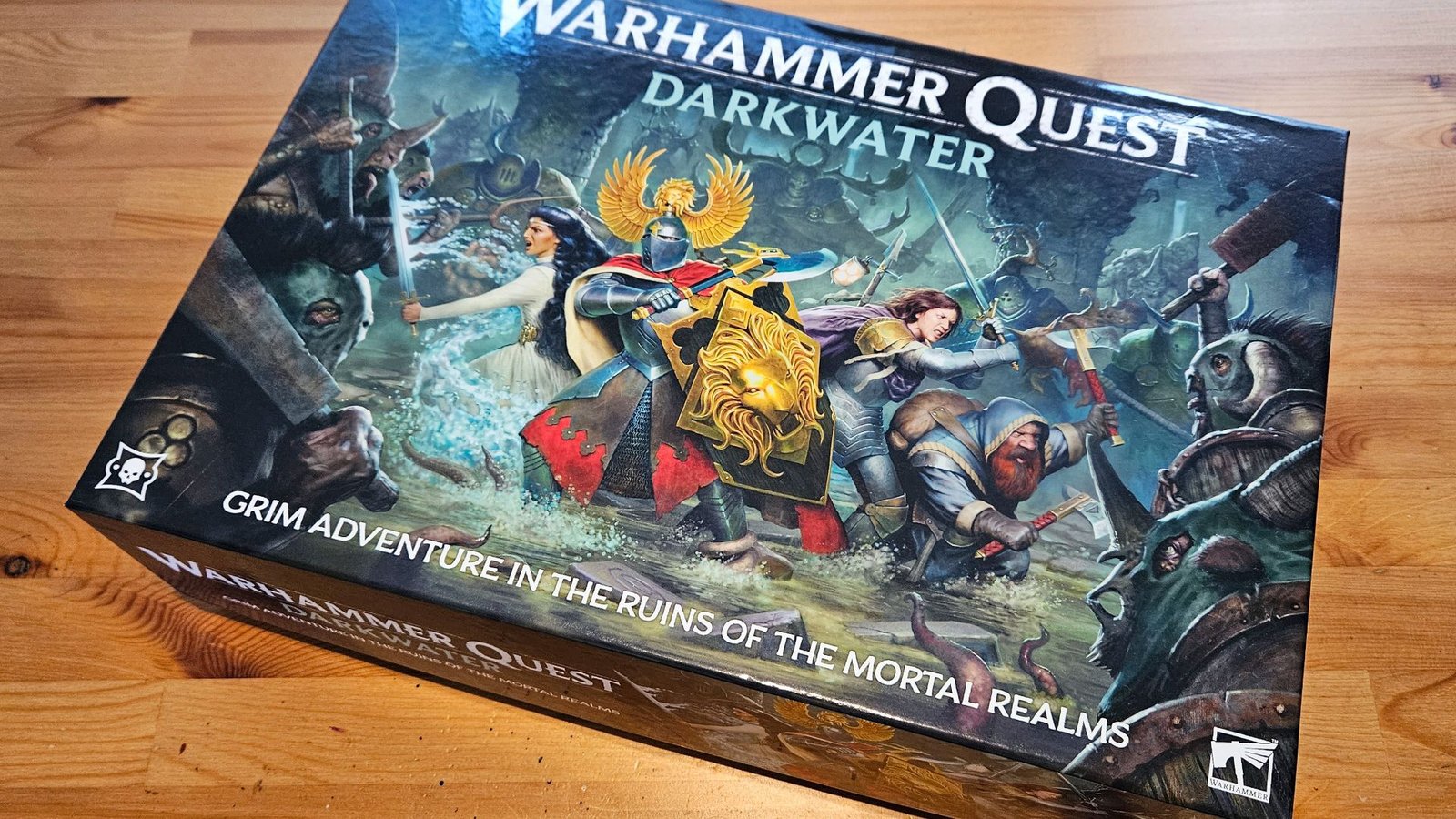
Warhammer Quest: Darkwater reinvents the classic dungeon crawler as a fast-paced, streamlined experience that eliminates the need for additional armies or scenery, delivering a complete “game-in-a-box” experience for fans of the Age of Sigmar setting.
A New Direction for a 31-Year-Old Classic
Warhammer Quest has been a cornerstone of the tabletop world for over three decades. Despite its popularity, Games Workshop has often experimented with inconsistent formats. Darkwater marks the sixth entry in the series, aiming to solve the setup and storage frustrations found in previous titles like Blackstone Fortress and Cursed City. By focusing on speed and convenience, it successfully condenses the core mechanics of its predecessors into a more accessible, compact package.
The physical quality of the set is impressive. The box is built to withstand heavy use, and the included envelope system for card storage is a simple, efficient touch that keeps the campaign organized.
Miniatures and the “Jade Abbey” Atmosphere
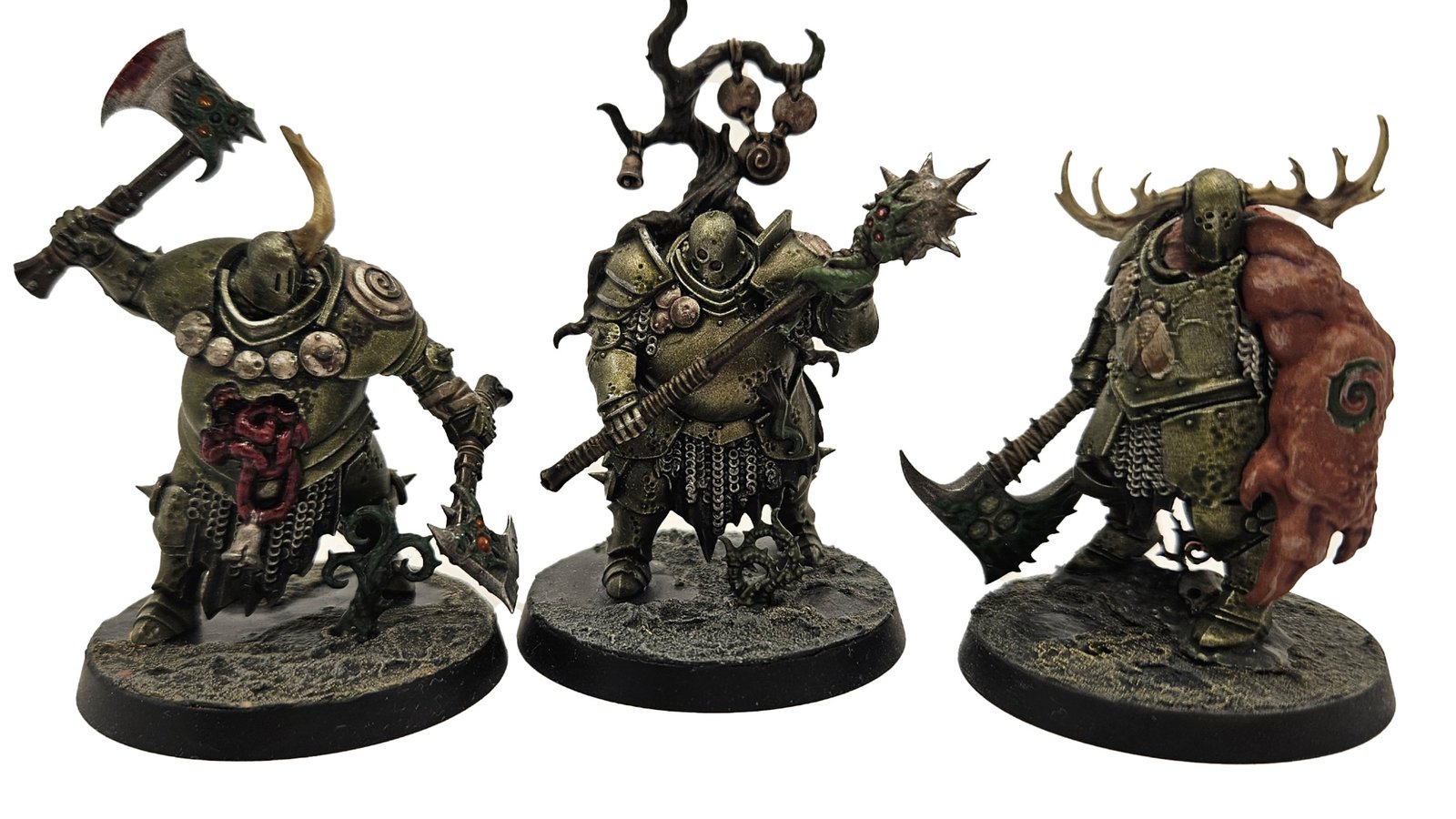
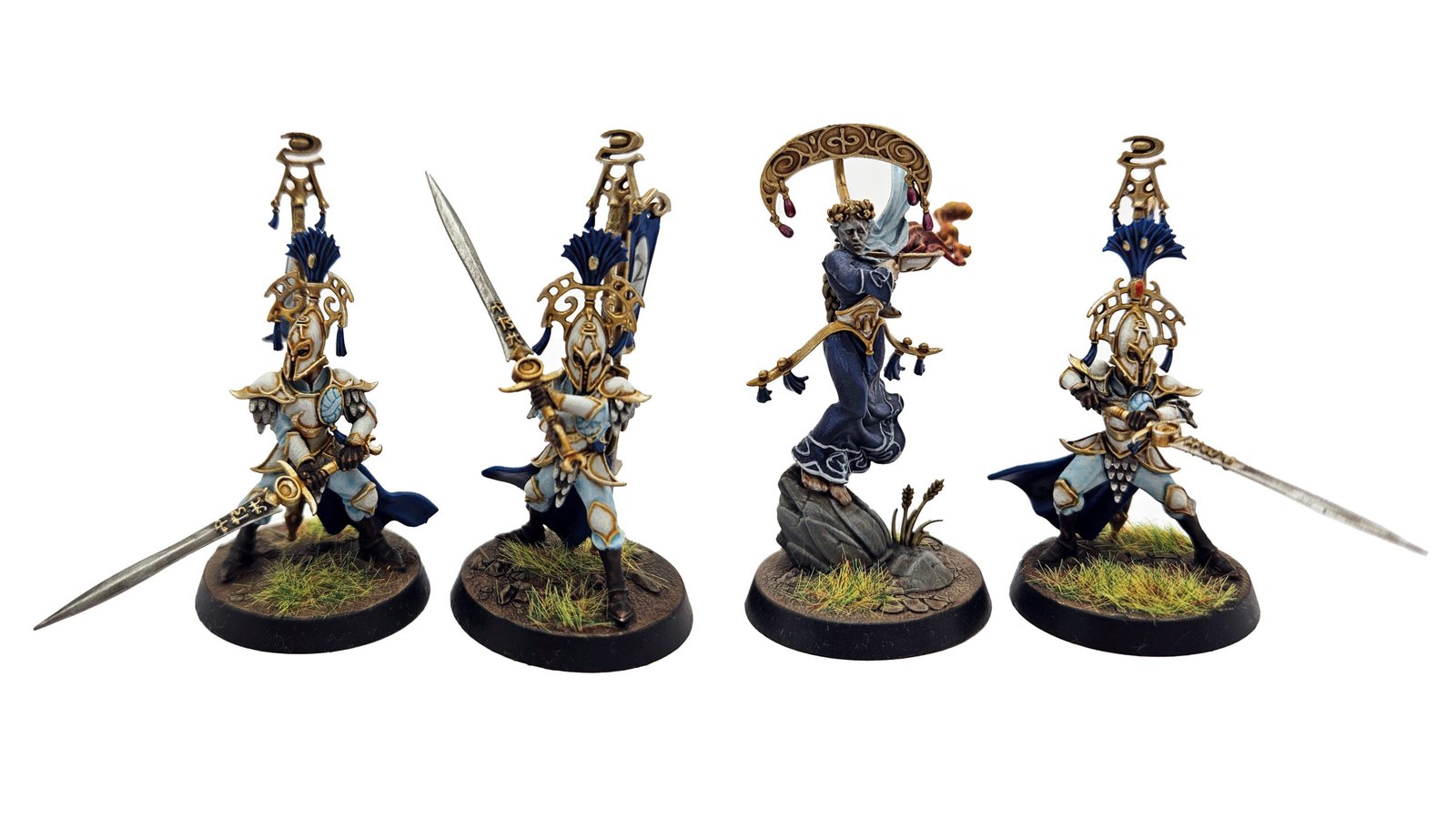
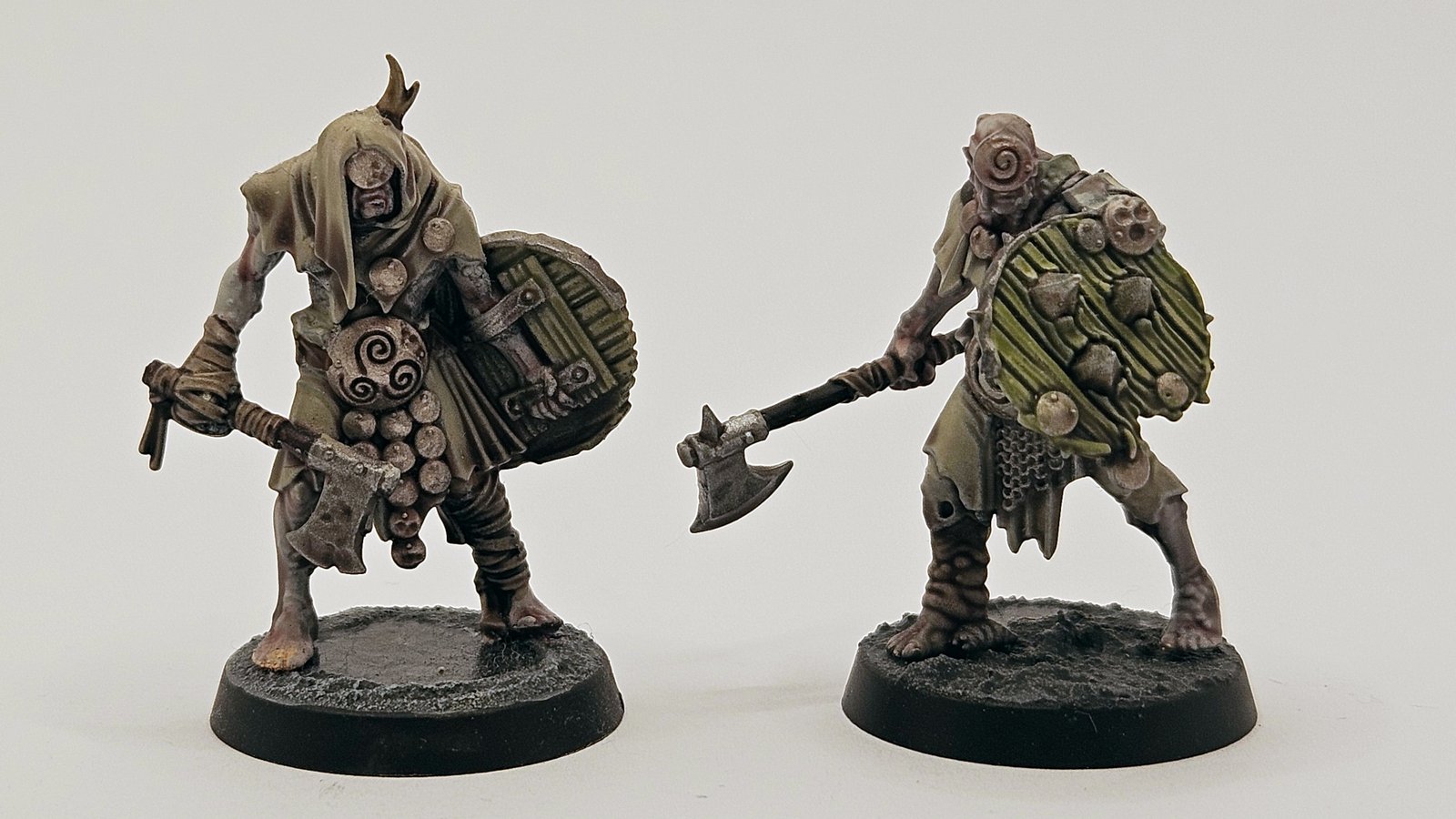
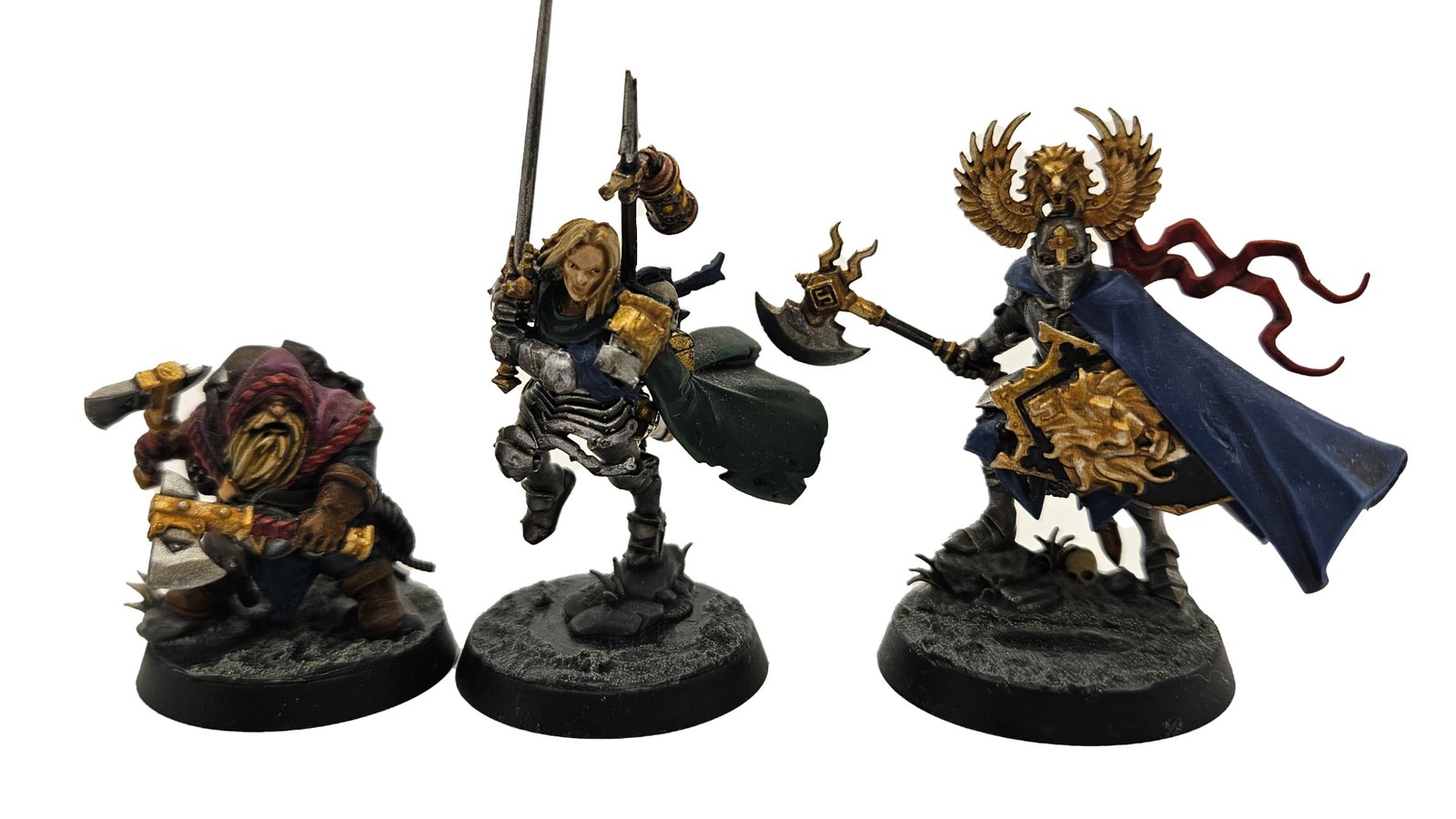
The box includes 49 high-quality miniatures, featuring seven heroes and a variety of enemies. Players start with four heroes—Edmark, Bren, Drolf, and Inara—with three more unlockable as the campaign progresses, a system reminiscent of Gloomhaven. The enemy design leans heavily into the grotesque aesthetic of Papa Nurgle, set within the damp, flooded confines of the Jade Abbey.
The boss roster is equally striking, featuring unique designs like the worm-witch Belga the Cystwitch and the formidable Gelgus Pust, who frequently challenges players early in the campaign.
Innovation in Gameplay: The Board Book
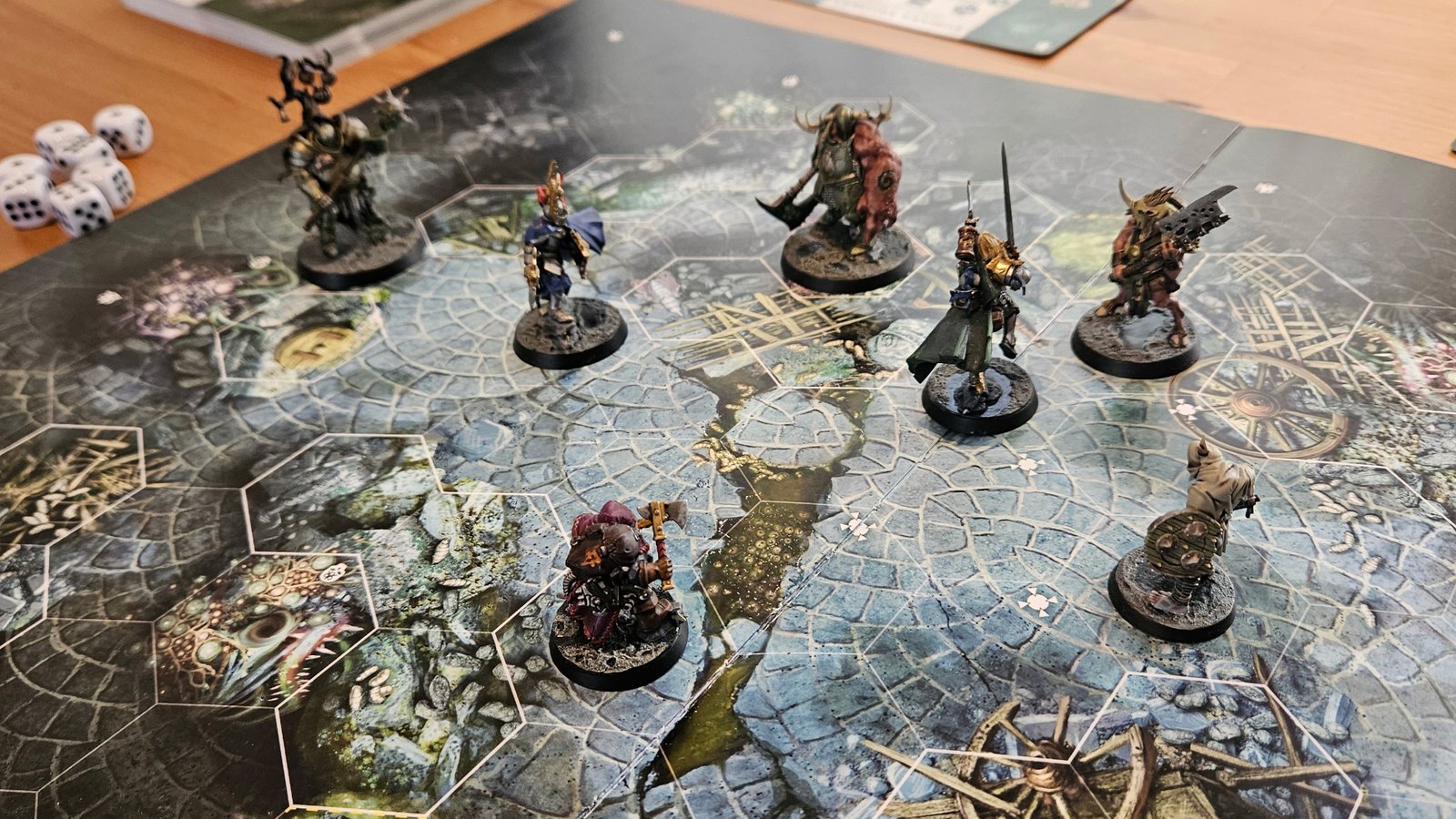
Departing from traditional cardboard tiles, Darkwater utilizes a large, hardback book containing 19 distinct, playable maps. This design choice, similar to Gloomhaven: Jaws of the Lion, ensures the board lies perfectly flat and offers a premium feel that significantly speeds up the transition between encounters.
How the Campaign Unfolds
A campaign in Darkwater is divided into three acts. Each session involves drawing from a deck of 15 cards—comprising Encounters, Events, and a randomly selected boss. Because players must choose between two cards and discard the other, the game offers high replayability; you will need multiple playthroughs to experience every encounter and collect all the available treasure.
Core Mechanics and Combat
The game uses a three-card “Core Ability” system: Move, Attack, and Aid. Players expend “energy” by rotating these cards horizontally to perform actions. This system is flexible, allowing players to prioritize specific actions like multiple moves or attacks depending on the situation. During the Enemy Turn, players follow straightforward instructions on enemy cards, keeping the flow of the game rapid.
Balancing Challenge and Difficulty
Every encounter is played against a four-round timer, adding a sense of urgency. While the mechanics are generally well-balanced, some encounters can be punishing. An early issue with the “Deep Trouble” card—which made success nearly impossible—has been addressed via errata. Players should be aware that the campaign stakes are high: failing an encounter requires discarding four reward cards, and failure to do so results in the immediate end of the campaign.
Final Verdict
Warhammer Quest: Darkwater is a triumphant return to form for those seeking a true “game-in-a-box.” It offers excellent value, high-quality miniatures, and a streamlined experience that is easy to jump into for a casual game night. While some might still prefer the depth of Blackstone Fortress or the nostalgia of the 1995 original, Darkwater is a fun, portable, and engaging entry point for any tabletop enthusiast.
Pros: Excellent for group or solo play, highly accessible, and features a smart, fast-paced board book system.
Cons: Certain encounters are brutally difficult and can lead to abrupt campaign losses.