
My first four hours in the Gothic 1 Remake turned into an unexpected masterclass in RPG chaos after I inadvertently recruited two bugged-out molerats and the game’s most notorious NPC, Mud, into my party.
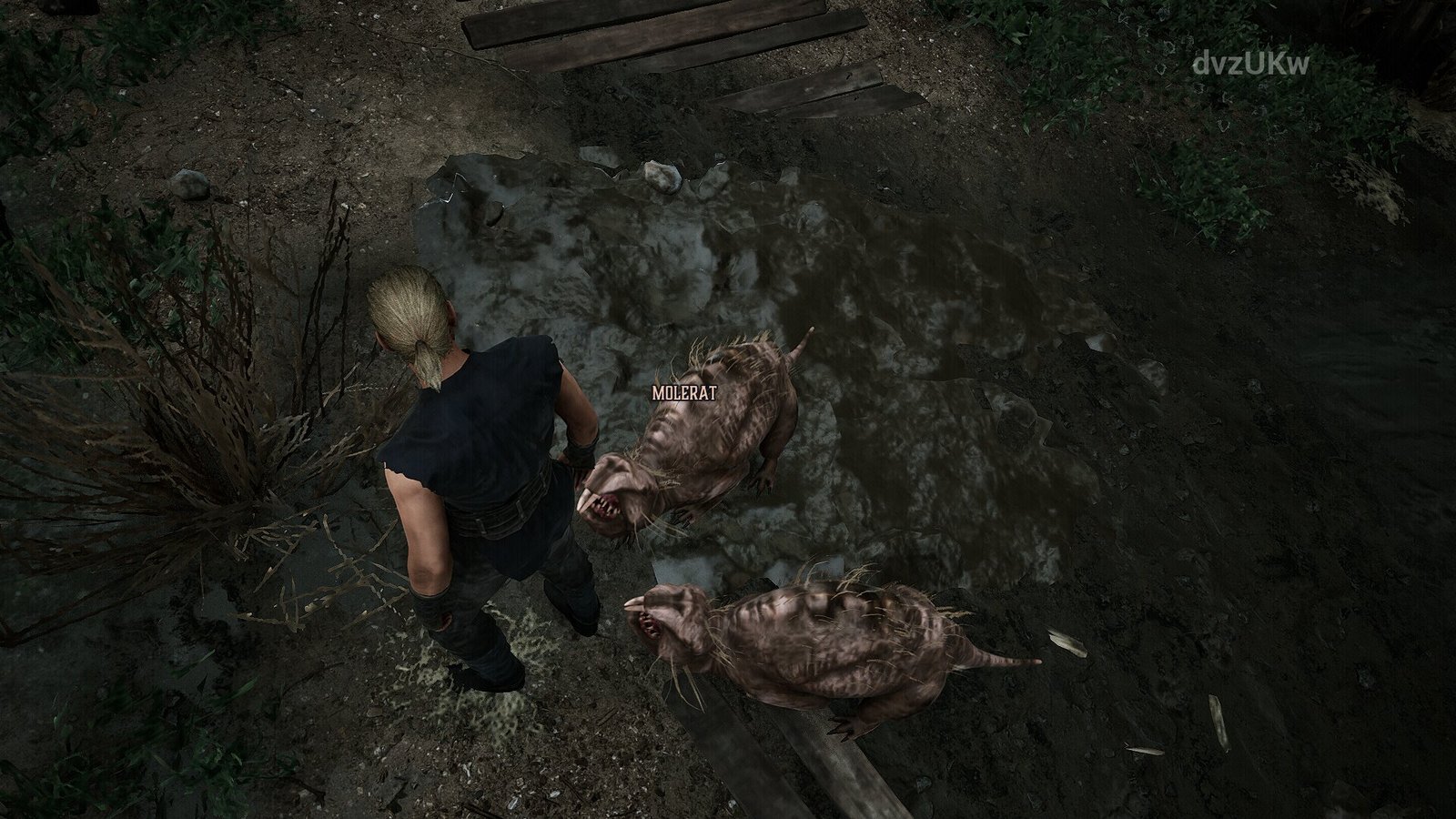
Upon reaching the gates of the Outer Ring, I found myself empty-handed—no map, no weapon, and no ore. Instead, I was trailed by two eyeless, screeching molerats. I had wandered into the underbrush near the south gate, expecting an attack, but the beasts simply began following me with eerie reverence. They mirrored every step and sprint, turning me into an accidental beast-master within the prison colony.
The Price of Glitchy Companions
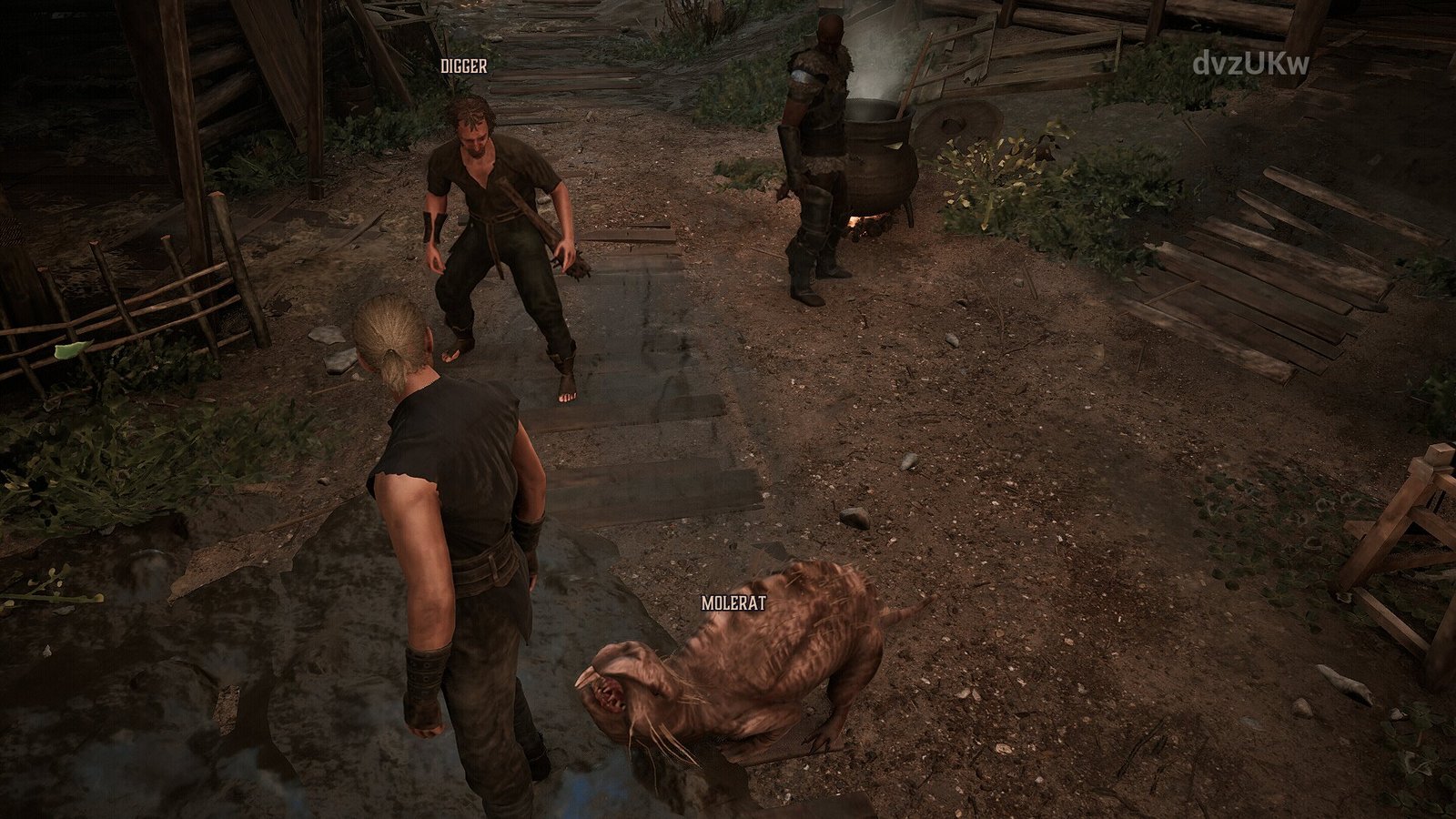
Maintaining this menagerie proved disastrous for my social life. Because the game engine registered the molerats as hostile entities currently in combat with me, I was effectively locked out of all NPC dialogue. I couldn’t trade, accept quests, or even ask for directions to the Fire Mages. The game treated my journey as one long, ongoing battle.
Gothic 1 Remake embraces the friction of its 25-year-old predecessor. There is no hand-holding: if you want a map, you pay the cartographer 38 ore pieces. If you want to learn to lockpick, you must prove your worth to a thief named Fingers. The quest log is merely a collection of vague leads, forcing you to rely on word-of-mouth navigation in a world that feels vast and intentionally hostile.
Adding Mud to the Mayhem
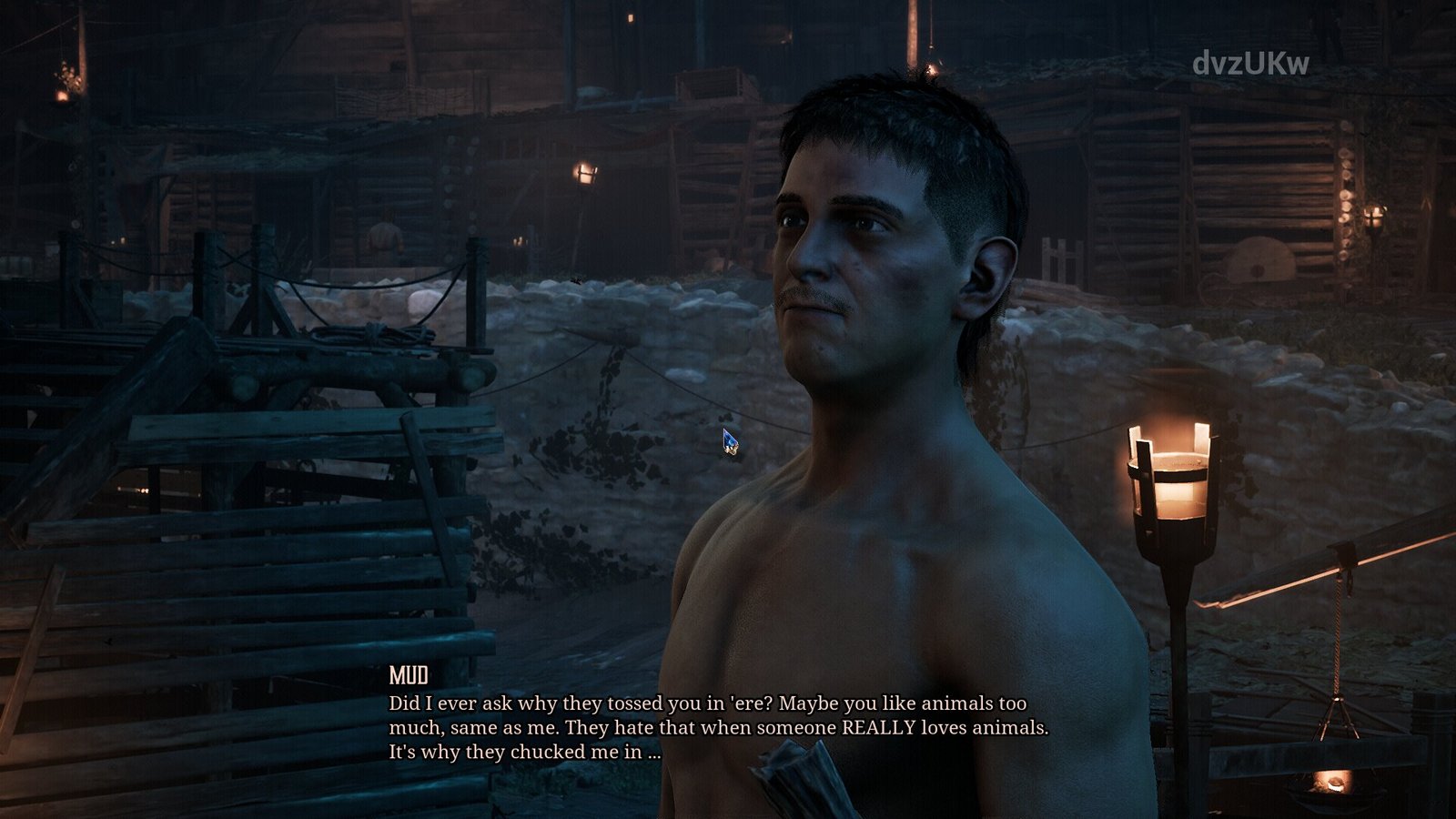
Desperate to progress, I attempted to navigate the Outer Ring while dodging NPCs who jeered at my molerat entourage. Eventually, I encountered Mud, a digger NPC who offered his “company.” I accepted, only to realize I had added the most talkative, clingy character in the game to my existing zoo of monsters.
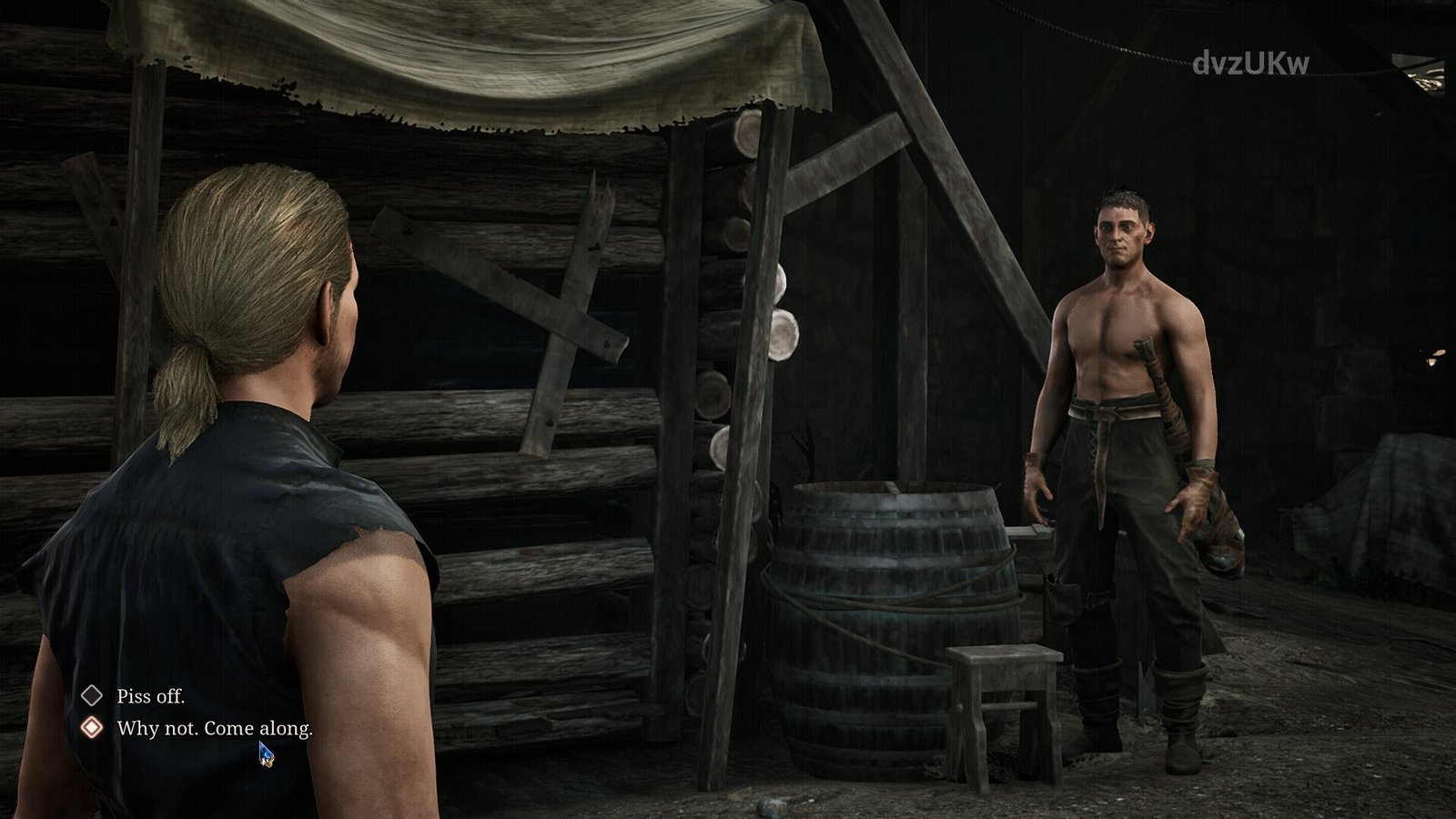
While I tried to speak with the chef Snaf or find a cabin, Mud’s incessant prattling combined with the molerats’ snarling created a cacophony that made gameplay nearly impossible. The sheer absurdity of the situation—being a “leader” of screeching rats and an unwanted, shirtless conversationalist—perfectly highlighted the reactive, unpredictable nature of the game’s world.
Breaking the Cycle
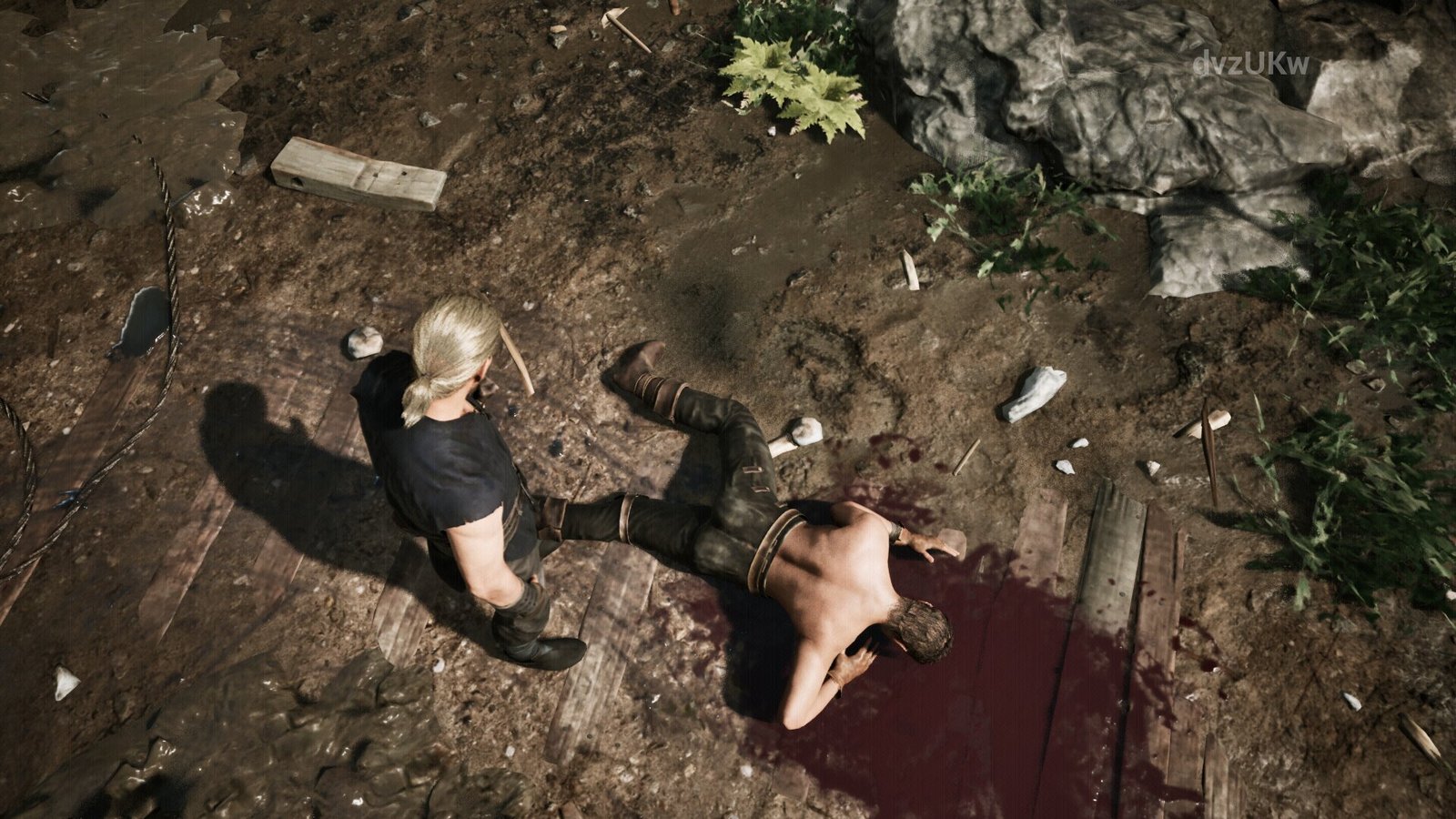
My patience finally snapped. After a game restart, the molerats were gone, allowing me to finally engage in dialogue and start my reputation-building journey with Diego. I eventually tracked down Mud again—and settled the score by punching him to death in the streets to loot his meager inventory.
Four hours in, I have a few recipes, a magic scroll for the mage Torrez, and a growing appreciation for the game’s “charming jank.” Much like the anticipation surrounding The Elder Scrolls 4: Oblivion Remastered, the joy here lies in the unpredictability. Whether you are dealing with broken AI or simply trying to find a map in a sprawling prison colony, the lack of modern hand-holding makes every small success feel earned.