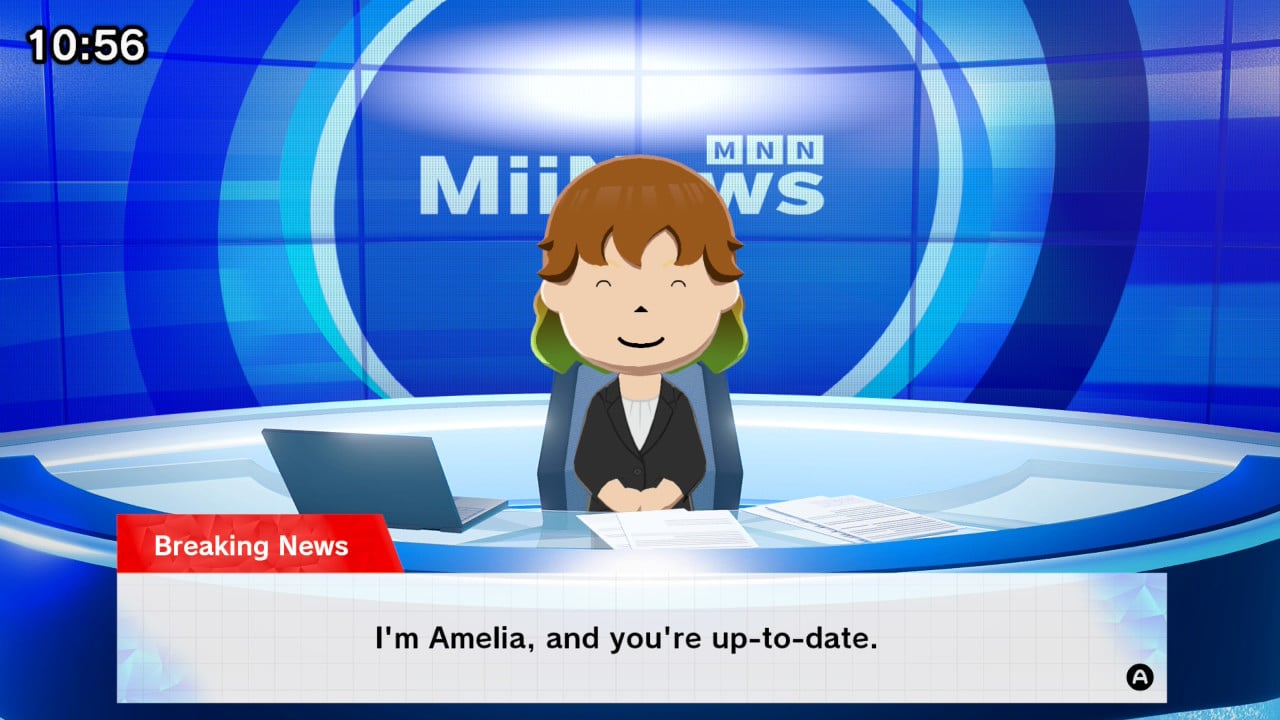

Twelve years after the original, Tomodachi Life: Living the Dream finally arrives on the Nintendo Switch, tasking players with managing an island of Miis and observing their chaotic lives. While the sequel introduces a seamless open world and deep customization tools, it sacrifices the unpredictable depth and charm that defined its predecessor for a focus on player-generated content.
When I was eight, I kept an ant farm filled with blue gel. It looked incredible, allowing me to track every movement, but the synthetic environment was ultimately unsustainable and cruel. Living the Dream mirrors this experience: it is flashier and more open than the 3DS original, yet it struggles to maintain the same level of engagement over time.

A New World of Mii Chaos
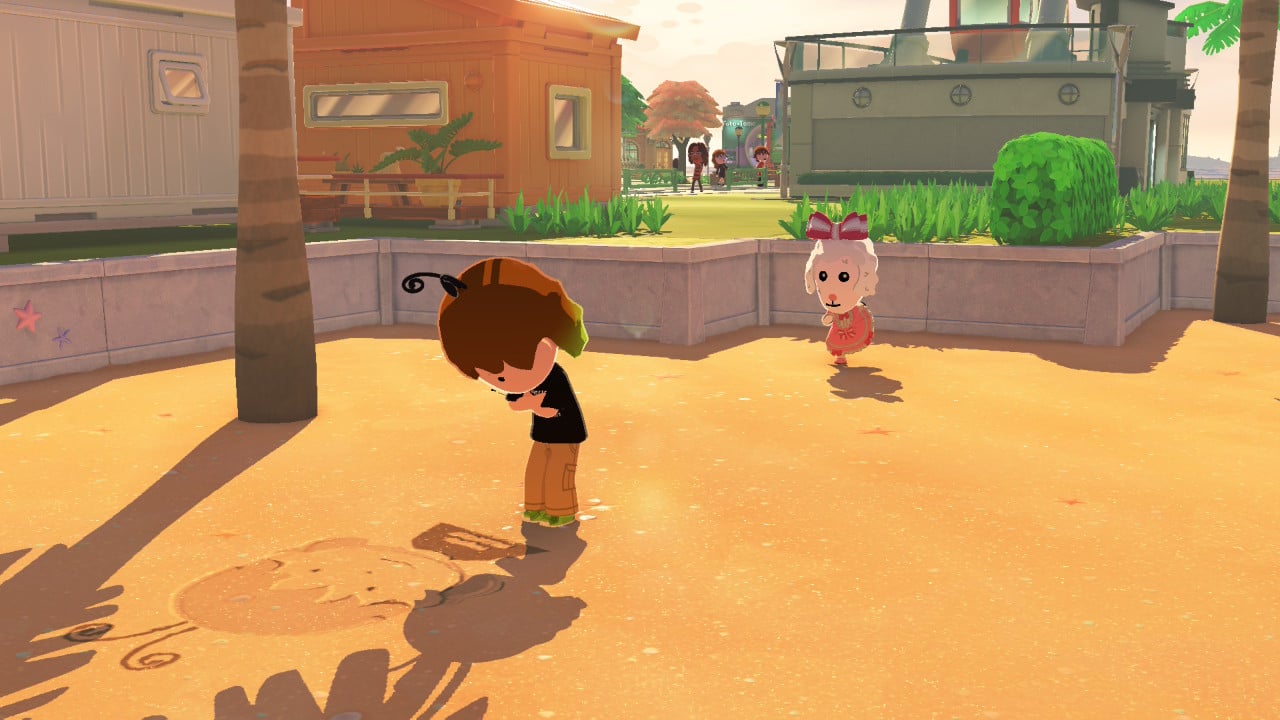
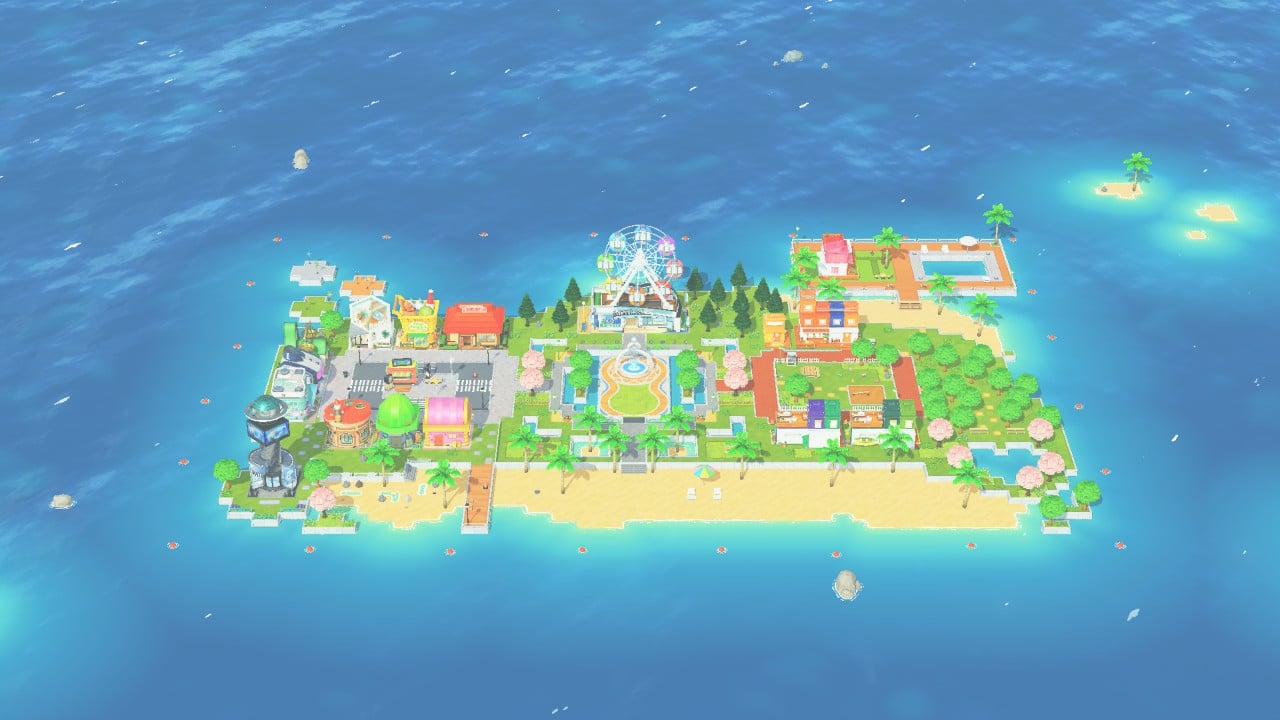
The core loop remains: create Miis, influence their relationships, and watch the hilarity unfold. The open-world transition is a massive success. Being able to zoom out and watch your islanders gossip, walk, or interact across the map gives the game an excellent sense of scale. The Miis feel more like endearing creatures than ever before, and the ability to set them up as roommates—watching them coexist in shared apartments—adds a layer of cozy charm that is hard to resist.
The Double-Edged Sword of Customization
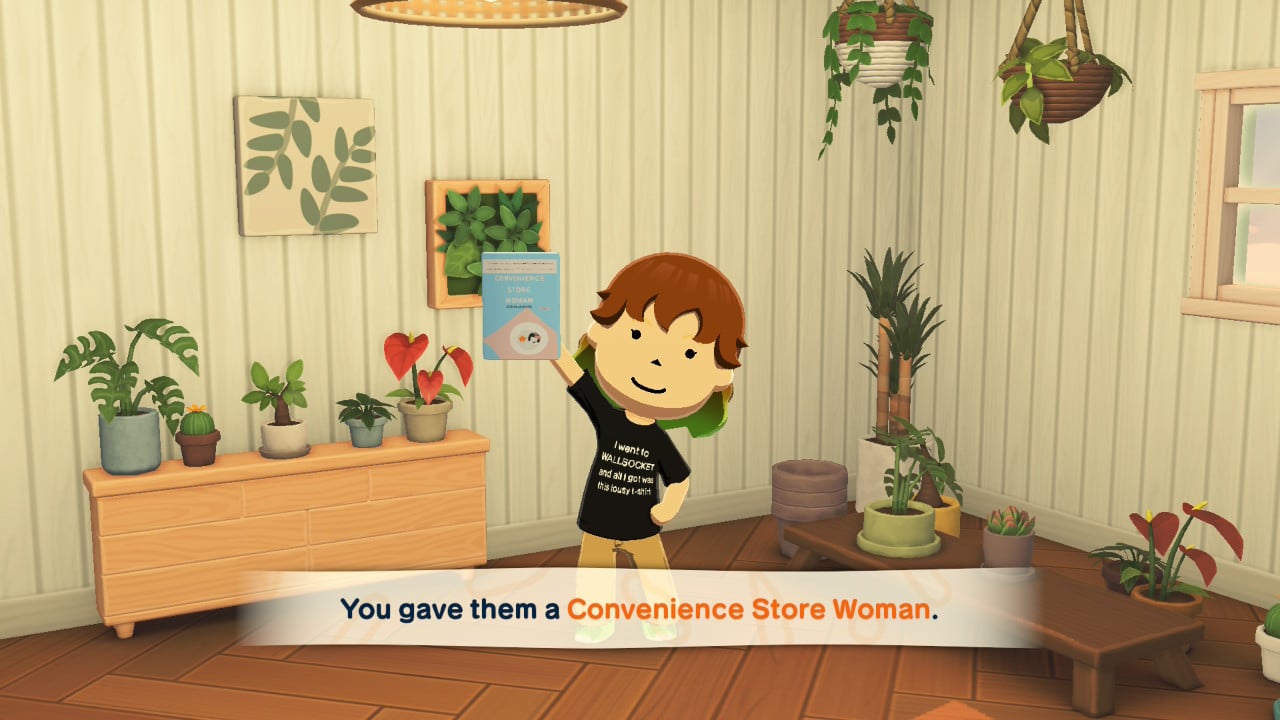
The game’s standout feature is the Palette House, an expansive suite of tools that lets players design their own clothes, books, games, and even pets. The level of control is staggering. You can assign personality traits to custom items, give them unique voices, and even draw directly on Miis to customize their look. Furthermore, Nintendo has finally embraced inclusivity, offering robust options for queer relationships, nonbinary pronouns, and a much-needed variety of hairstyles.
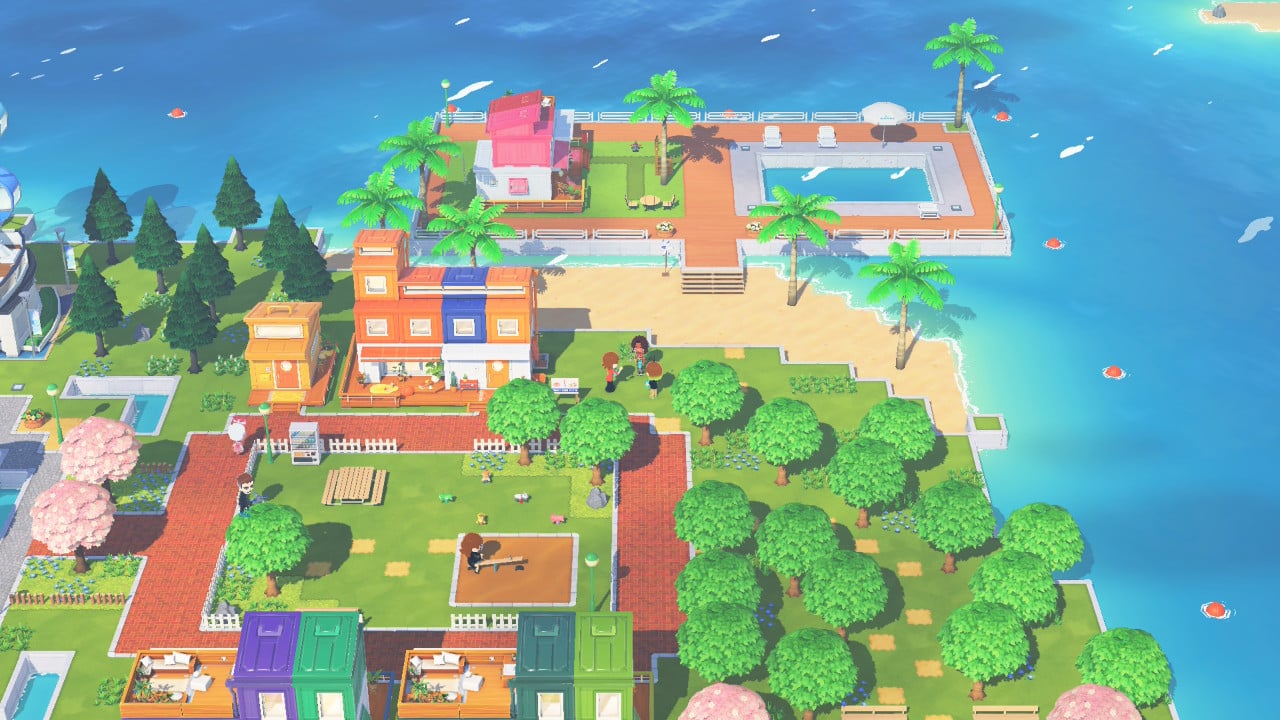
The Wishing Fountain and the “Warm Fuzzies” currency provide a solid sense of progression, ensuring players always have new goals to work toward. The Island Lingo tab also allows for a personal touch, letting you teach your Miis specific phrases, resulting in a uniquely tailored experience.
The Missing Pieces: Where is the Conflict?
Despite these additions, the game feels hollow in key areas. Many features from the original—such as the concert hall, compatibility testers, and detailed island rankings—have been stripped away. Perhaps most egregious is the handling of Mii babies. In the original, raising a child was a major endgame milestone. Now, babies age instantly and vanish from records the moment they leave the island, which feels particularly cold given the reduced Mii limit of 70.
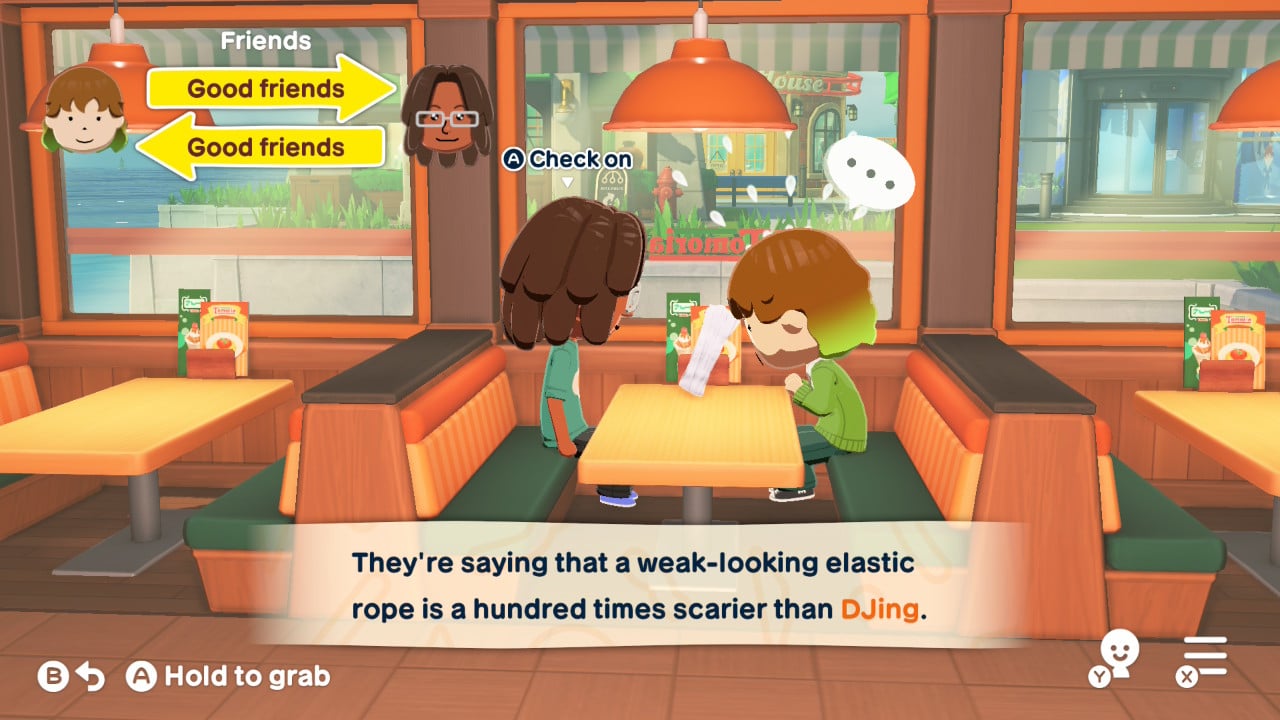
The most significant issue is the lack of friction. The Miis are almost pathologically agreeable. Real arguments are nonexistent, and romantic rejections are easily fixed with a snack. The lack of stakes makes the game feel more like a tool for wish fulfillment than a living, breathing simulation. After 25 hours, the repetitive nature of the dialogue and the lack of genuine conflict make the experience feel stagnant.
The “Game of the Year” Trap
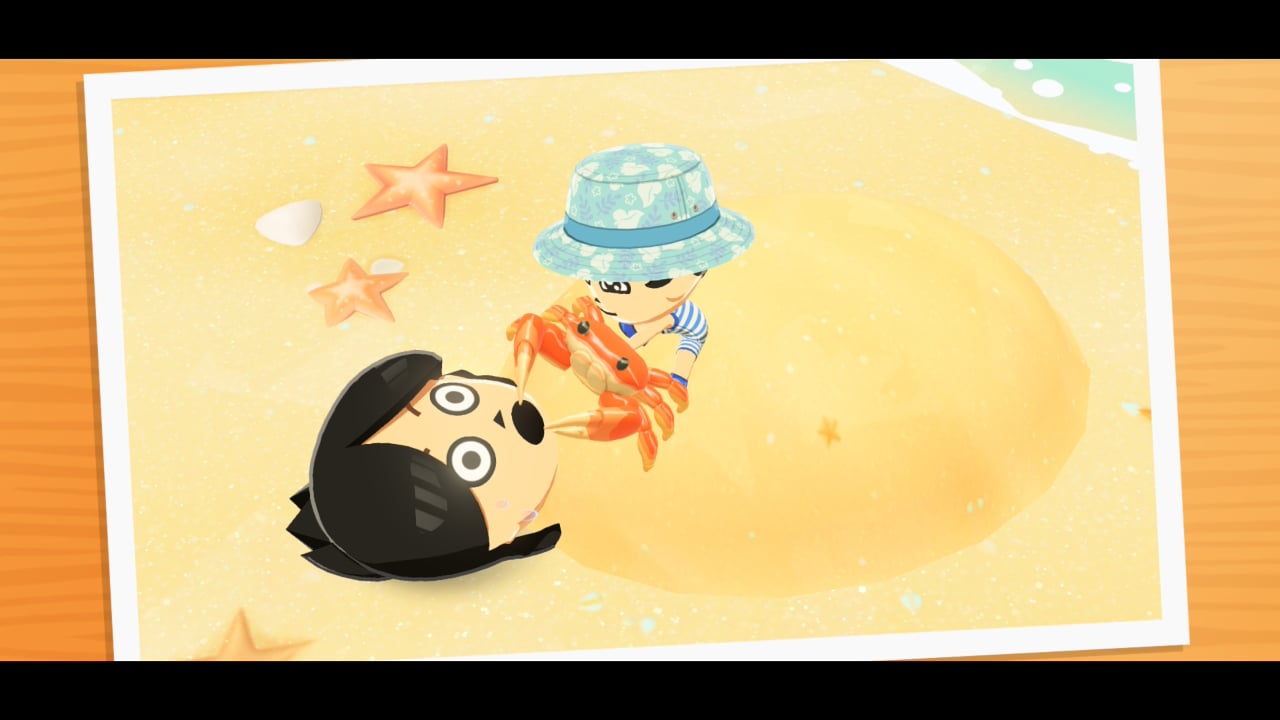
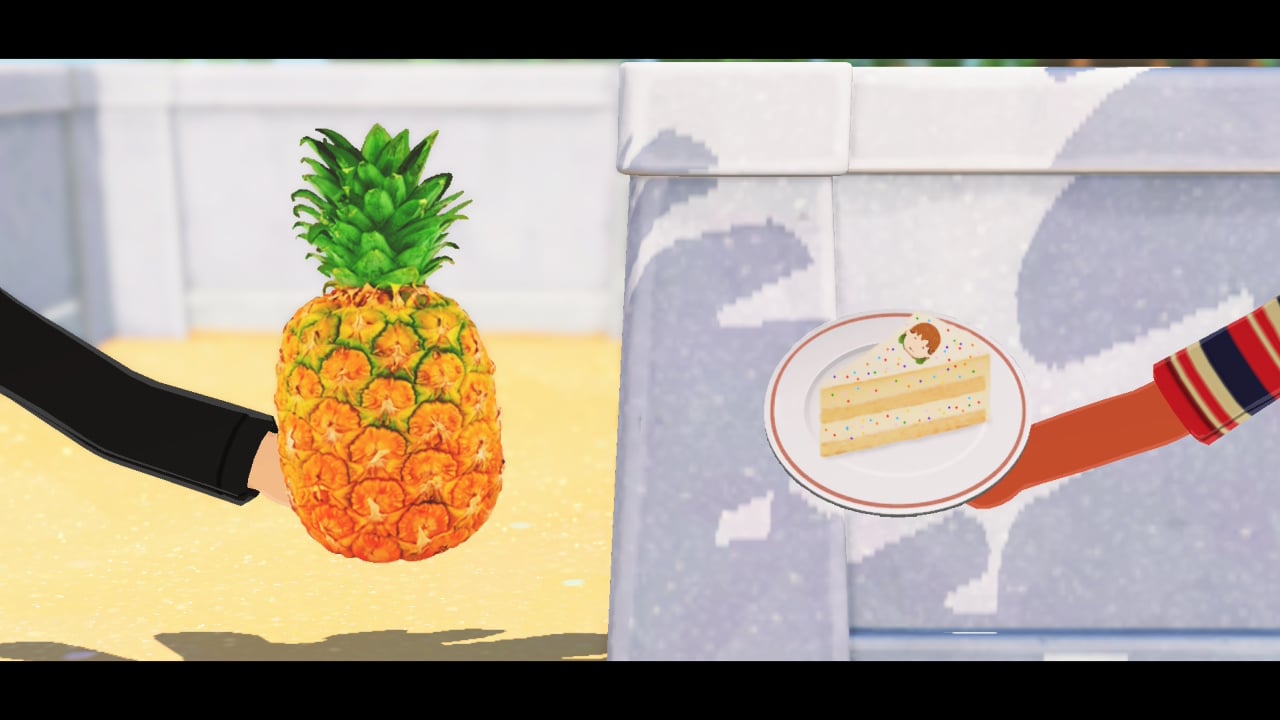
While social media is currently flooded with “game of the year” memes from Living the Dream, the humor stems from player creativity rather than the game’s actual mechanics. The title constantly forces your custom creations into cutscenes, which is funny for a while, but it eventually feels like the game is begging for validation. Even worse, Nintendo’s strict stance against screenshot sharing—combined with the lack of in-game tools to share custom designs—makes the focus on user-generated content feel unnecessarily isolated.
It appears that much of the development time was poured into the Palette House at the expense of the core simulation. While Living the Dream is an enjoyable experience that I will likely revisit, it lacks the soul of its predecessor. By prioritizing customization and “cozy” sanitization, Nintendo has created a beautiful, blue-gel ant farm that looks great on the shelf but lacks the life-sustaining nutrients of the original.
If you are looking for a creative sandbox, you will find plenty to love here. But for those of us who fell in love with the unpredictable, messy, and occasionally frustrating nature of the original Tomodachi Life, this sequel feels like a step toward a more hollow version of “cozy.” Sometimes, we don’t need to “live the dream”—we just want to live real life.