
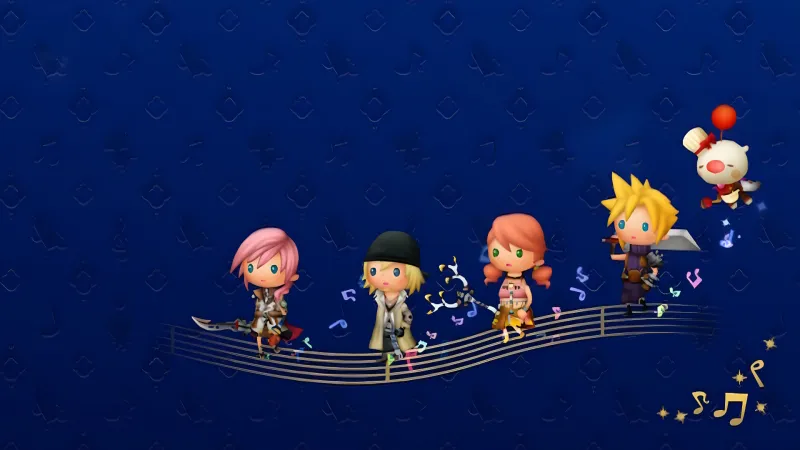
Theatrhythm Final Bar Line successfully revitalizes the beloved rhythm franchise by blending a massive, evolved catalog of Final Fantasy music with the series’ signature gameplay, setting a new benchmark for musical tributes to the legendary RPG saga. Since the 2014 release of the previous entry on 3DS, the franchise has expanded significantly with the arrival of Final Fantasy XV, new XIV expansions, and various remakes, all of which are now woven into this eclectic and refined experience.
Refining the Rhythm Formula for Modern Consoles
While returning players will immediately recognize the familiar chibi art style and stage formats, the transition from 3DS hardware to PS4 and Switch necessitates a significant shift in mechanics. Gone is the tactile stylus-driven input; now, players must master face buttons, shoulder triggers, or directional analog stick slashes to keep pace with the scrolling notes.
This adjustment period can feel jarring, particularly because the game offers limited guidance on configuring an optimal control scheme. With most notes being accessible via nearly any button, finding a comfortable rhythm requires some initial trial and error. However, once a player settles into a personal configuration, the core gameplay loop becomes as addictive and rewarding as ever.
Strategic Depth and Party Management
The gameplay depth is bolstered by a party-building system that allows players to select up to four characters from across the Final Fantasy universe. Creating offensive powerhouses or defensive squads tailored to specific boss weaknesses adds a satisfying layer of strategy. This is particularly relevant when tackling optional Series Quests, which challenge players to hit “critical” notes or utilize specific characters to earn rewards.
While these quests offer a welcome layer of difficulty, they are entirely optional. The progression system feels slightly detached from these challenges, as the rewards—ranging from potions to collectible cards—vary significantly in utility. Because completing a song is sufficient to advance, the incentive to master every optional quest often rests solely on the player’s personal desire for completion.
Nostalgia and Competitive Play
One of the highlights of the experience is the Event Music Stages, which pair iconic tracks with high-quality cinematics, effectively tapping into the rich nostalgia of the Final Fantasy brand. The in-game Museum complements this, offering a deep dive into character designs and promotional art via the CollectaCard system, which is a treasure trove for series completionists.
Beyond the single-player campaign, the Multi Battles provide a chaotic and engaging competitive environment. By allowing up to three players to sabotage each other with effects like the “Fat Chocobo” rush or UI-obfuscating debuffs, the game transforms familiar tracks into high-stakes, stressful encounters. For those seeking endurance, the Endless World mode provides a relentless gauntlet that further extends the game’s longevity.
A Celebration Without a Destination
Despite its mechanical excellence, Final Bar Line lacks a cohesive narrative drive. With 385 tracks available, the game concludes its credits sequence almost abruptly, leaving players with a vast majority of content still to explore. While the game provides ample systems for high-score chasing and summoning, it occasionally struggles to provide a compelling “why” behind the grind, leaving the motivation to 100% the content largely up to the player’s own dedication to the Final Fantasy legacy.