
Tales of Kenzera: Zau, the debut title from Surgent Studios, masterfully weaves a narrative where the title is more than just a name. The game follows protagonist Zuberi as he navigates his father’s passing by reading a book about the world of Kenzera—a reflection of the real-life grief experienced by the studio’s founder. While the gameplay occasionally struggles with map design and combat pacing, the deep emotional resonance of the story makes this eight-hour journey well worth undertaking.
A Dynamic Duo in the Face of Death
Players control Zau, a character from Zuberi’s book, who strikes a desperate bargain with Kalunga, the god of death. To resurrect his late father, Zau must defeat three powerful spirits. Kalunga, appearing as an elder mentor, serves as a grounded foil to Zau’s impulsive nature. Their evolving dynamic, as they both grapple with the weight of loss, stands out as one of the game’s strongest narrative achievements.
Combat Mechanics: Highs and Lows
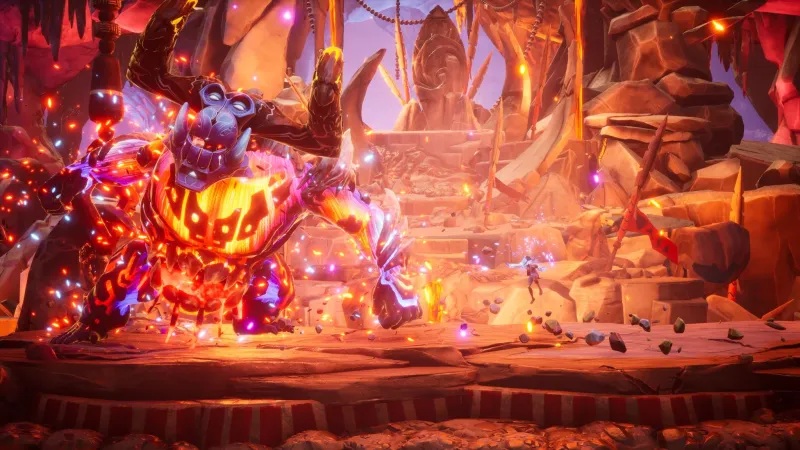
Zau’s combat relies on the Masks of the Sun and Moon, providing a fluid switch between ranged ice attacks and melee-focused fire abilities. This system allows for creative expression in battle. However, the experience is dampened during late-game encounters; fighting large waves of enemies with bloated health bars can feel more like a tedious chore than a test of skill.
Platforming and World Navigation
Movement in Kenzera is inherently satisfying, thanks to responsive double jumps and mid-air dashes. While the game features challenging platforming, including instant-kill spikes, the generous respawn system prevents excessive frustration. However, the map design is a significant drawback. By revealing entire biomes upon entry without providing a way to track visited areas or mark points of interest, the game makes backtracking for secrets unnecessarily difficult and unintuitive.
The Challenge of Spirit Trials
Exploration is further hindered by the implementation of Spirit Trials. These combat challenges are the only way to upgrade essential stats like the spirit bar and trinket slots, yet they are hidden behind ability-gated areas with no clear indication of their existence. When the game fails to properly incentivize the search for these critical upgrades, it creates a palpable balance issue that detracts from the overall progression.
A Thematic Triumph
Despite these design flaws, Tales of Kenzera: Zau remains a remarkably cohesive experience. Every gameplay element—from meditation trees that boost health to the combat upgrades representing a connection to his father’s legacy—is tied directly to the central theme of grief. The game handles its somber subject matter with profound nuance and passion.
Ultimately, while the gameplay mechanics do not always reach the high bar set by its narrative, Tales of Kenzera: Zau delivers a powerful, memorable story. In a genre saturated with indie titles, Zau’s journey—and the parallel reality of Zuberi—offers a perspective on loss that will linger in the player’s mind long after the credits roll.