
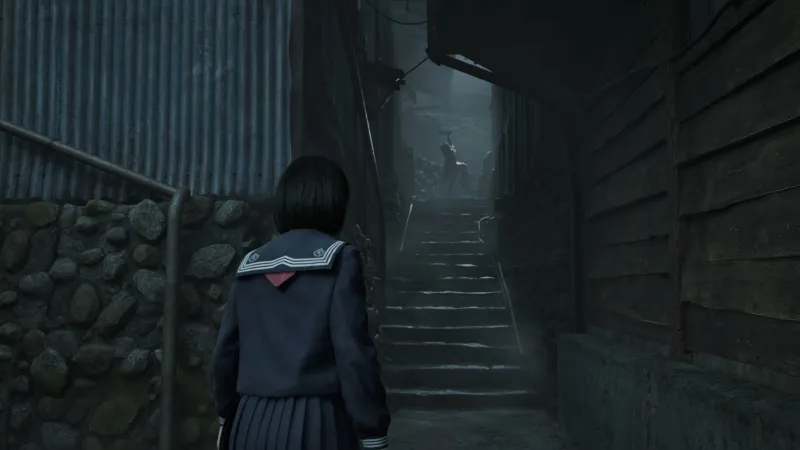
Silent Hill f delivers a hauntingly atmospheric experience set in 1960s Japan, but it ultimately struggles to balance its ambitious narrative with repetitive combat and predictable horror tropes. While the game succeeds as a visual masterpiece that pays homage to the series’ roots, it fails to evolve its gameplay loop over its 10-hour runtime, leaving players with a journey that is more visually striking than truly terrifying.
A Shift in Scenery, Familiar Dread
The story follows teenager Shimizu Hinako, whose life in the rural village of Ebisugaoka is shattered by a sudden, sinister fog. As neighbors vanish or mutate into grotesque monstrosities, Hinako must navigate the trauma of her environment—a setting deeply rooted in the rigid gender roles of the era. This narrative foundation is compelling, bolstered by an enigmatic masked man whose presence adds layers of intrigue, even if the plot occasionally spirals into confusing territory.
Visual Splendor Meets Auditory Excellence
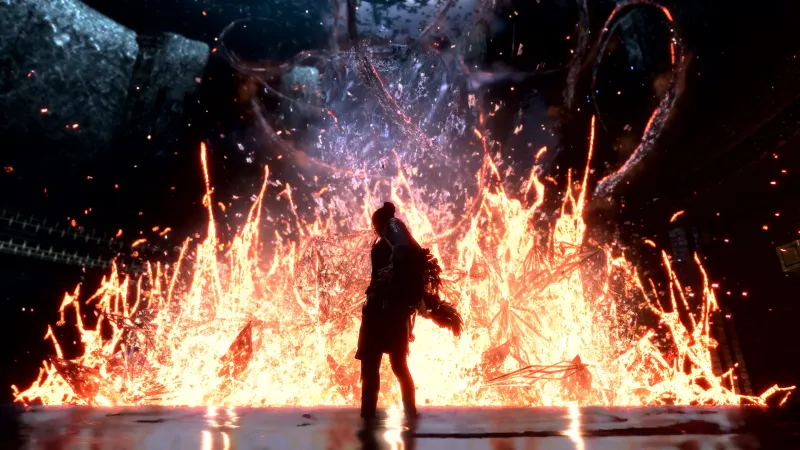
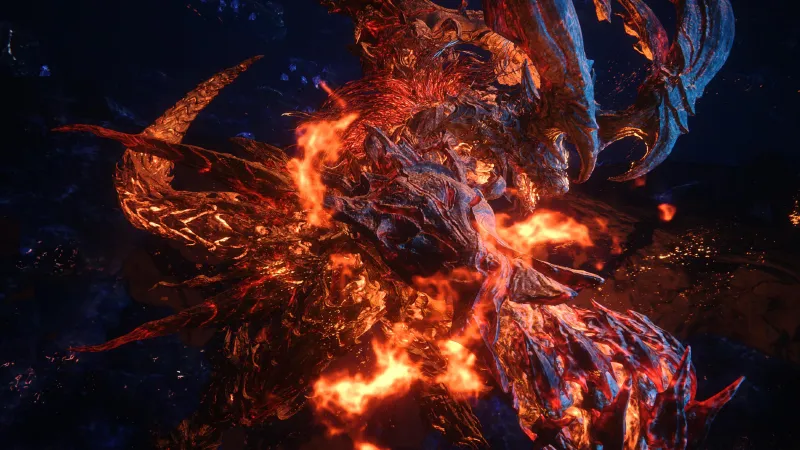
It is difficult to overstate the beauty of Silent Hill f. The art direction masterfully juxtaposes unsettling enemy designs against hauntingly gorgeous environments, such as supernatural temples and the recurring motif of blood-soaked flowers. Complemented by a hair-raising score from series veteran Akira Yamaoka, the game functions as an interactive piece of art that demands attention, even when the horrors on screen aim to repulse.
The Difficulty Dilemma
The game’s approach to challenge is confusing, split into separate settings for combat and puzzles. With “Story” and “Hard” as the primary options, finding a balanced experience is difficult. The “Story” setting for combat feels trivial, offering an overabundance of resources that removes the tension of survival found in classic entries. Players seeking a genuine challenge—where resource management and the “Sanity” meter actually matter—should opt for “Hard” across both categories.
Combat: Intimate, Weighty, and Repetitive
Hinako’s combat style is appropriately clumsy, reflecting her status as a civilian rather than a trained warrior. The melee-focused encounters, involving breakable weapons and stamina management, provide a satisfying sense of impact initially. The introduction of the Sanity meter adds a layer of risk-versus-reward, forcing players to choose between precision and power. However, the luster fades quickly due to a lack of enemy variety. By the midpoint, the thrill of encountering a new horror is replaced by the monotony of fighting the same few enemy types, which significantly diminishes the game’s overall scare factor.
Puzzles and Narrative Pacing
Where combat falters, puzzle-solving shines. The game excels when it leans into the classic survival horror loop of exploring eerie interiors—like an abandoned middle school—to uncover clues and unlock paths. While some environmental riddles, such as the obscure scarecrow puzzle, can be frustrating, most offer a refreshing change of pace from the repetitive action.
The narrative, however, remains a point of contention. While it touches on themes of feminism and domestic abuse, the second half of the story becomes increasingly bizarre. Supporting characters, particularly Hinako’s friend Shu, feel underdeveloped, often relegated to diary entries rather than meaningful screen time. The pacing is rapid, leading to a finale that may leave players feeling more bewildered than satisfied, despite the inclusion of multiple endings in New Game Plus.
Final Verdict
Silent Hill f is a polished, respectable addition to the franchise that thrives on its oppressive atmosphere and high-end production values. Yet, it stops short of greatness. It lacks the sustained terror required to be a classic, and its combat system—while functional—is stretched too thin. It is an enjoyable, albeit flawed, adventure that leaves you feeling as lost and foggy as the village of Ebisugaoka itself.