
Ninja Theory returns with Senua’s Saga: Hellblade II, a visually groundbreaking sequel released this year that expands the protagonist’s journey from an internal struggle to a grand, cinematic epic while maintaining the series’ signature focus on mental health.
A New Chapter for a Haunted Warrior
While the original Hellblade: Senua’s Sacrifice felt like a complete, self-contained story, this sequel justifies its existence by evolving Senua’s character. She is older, wiser, and more confident, having learned to coexist with the psychosis-induced voices that narrate her thoughts. These voices remain a core storytelling element—best experienced with high-quality headphones—acting as audible manifestations of her anxieties rather than mere gameplay mechanics.
Expanding the Scope: From Solitude to Companionship
Senua’s new journey takes her to a foreign land to confront the slavers who destroyed her home. The narrative shifts from a purely intimate experience to a grander, fantastical tale, introducing a cast of allies for the first time. Melina Jurgens delivers another powerhouse performance, and her interactions with these new characters provide a rewarding look at how Senua applies her own hard-won lessons to help others. It is a refreshing, realistic portrayal of mental health; her victory in the first game was not a permanent cure, and watching her confront new iterations of her old demons feels both earned and necessary.
The game maintains a tight, seven-hour runtime, ensuring the pacing remains coherent and focused. It avoids the trap of overstaying its welcome, prioritizing an impactful, emotional experience over unnecessary bloat.
The Challenge of Auditory Clutter
The introduction of companions does create one minor friction point: the voices in Senua’s head often overlap with crucial dialogue. While this serves an artistic purpose—forcing the player to struggle to focus on conversations, much like Senua herself—it can occasionally hinder narrative clarity. Sometimes, the game forces awkward, unnatural pauses in dialogue to accommodate the dense flurry of internal narration.
Refined Combat and Cinematic Presentation
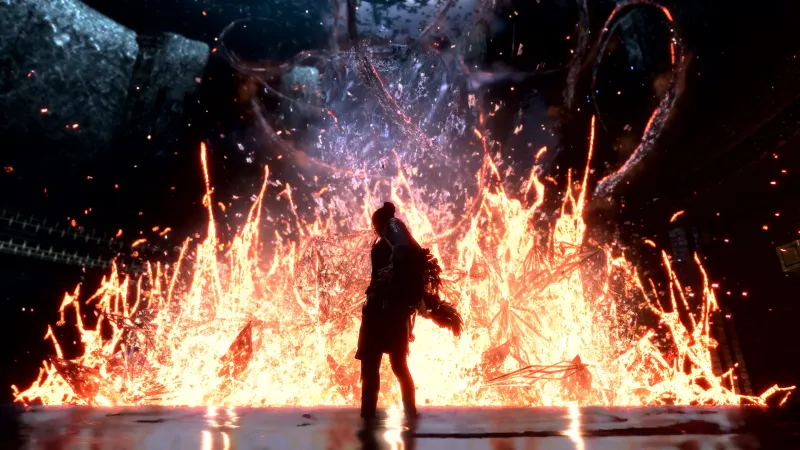
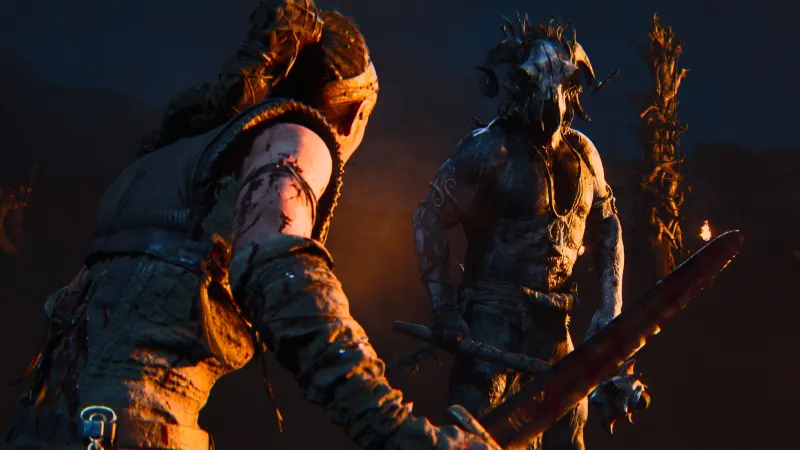
The combat remains a visceral, one-on-one affair, polished to remove the frustrations of the original. Enemies are now kept firmly in view, and the repetitive but satisfying dance of dodging and parrying remains central. The introduction of varied enemy types, including those that use fire or erratic movement, keeps the encounters engaging. Crucially, Ninja Theory has removed the permadeath penalty, allowing players to jump back into the action immediately upon failure.
A Visual Masterpiece
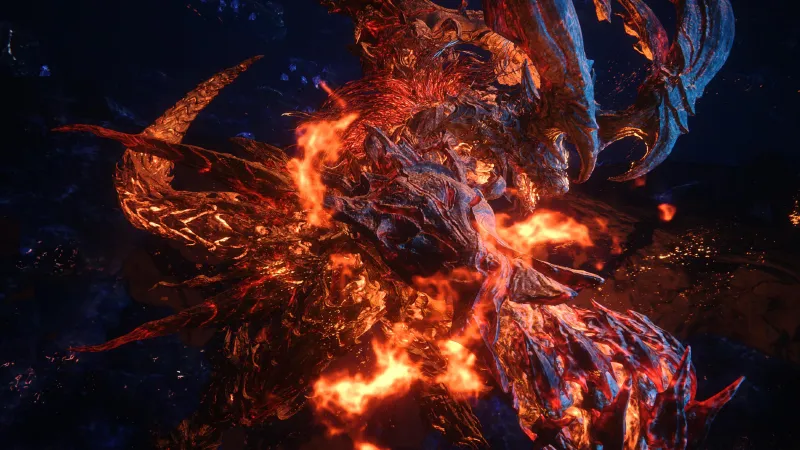
Hellblade II is arguably one of the most beautiful games ever created. The production values are staggering, featuring subtle facial animations, masterfully lit landscapes, and terrifyingly designed Norse adversaries. The technical fidelity is matched by artistic flair, utilizing kaleidoscopic effects and dreamlike lighting that elevate the game into a genuine piece of interactive art.
The Verdict on Senua’s Return
Senua’s Saga: Hellblade II is a triumph that avoids the temptation to become a bloated blockbuster. It remains, at its heart, a Hellblade game—thoughtful, artistic, and deeply emotional. By sprinkling in more mainstream, cinematic thrills without sacrificing its identity, Ninja Theory has delivered an experience that stands firmly on its own merits, proving that the most compelling stories are the ones that prioritize depth over scale.