
Housemarque, the studio behind the acclaimed Returnal, has returned with Saros—a punishing, atmospheric roguelike shooter that forces players to navigate a shifting, nightmarish planet while unraveling a deep psychological mystery. Launched as the latest prestige title for PlayStation, the game challenges players to survive on the planet Carcosa, where death is not the end, but a gateway to a cycle of relentless rebirth and discovery.
A Descent into the Planet Carcosa
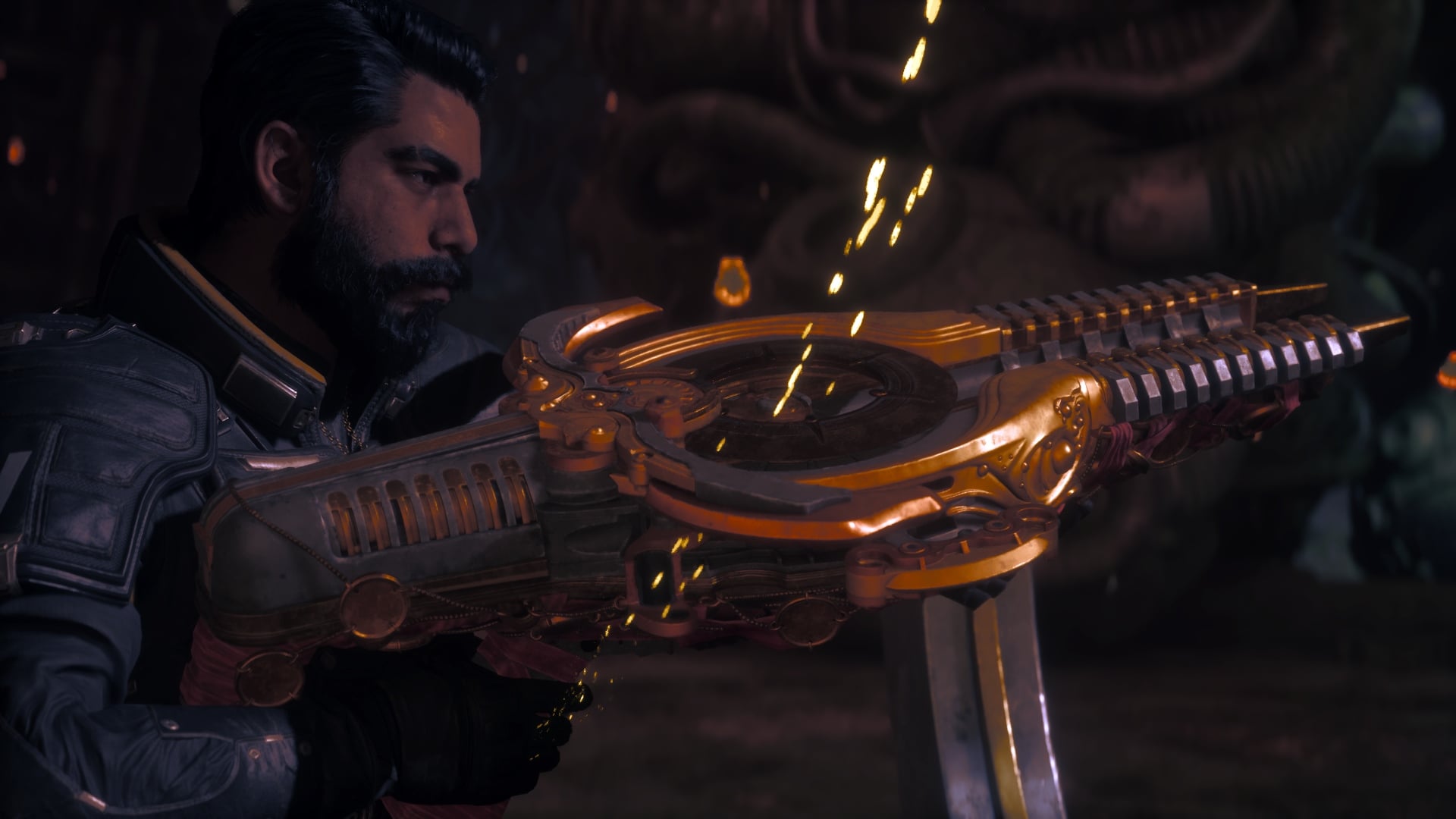
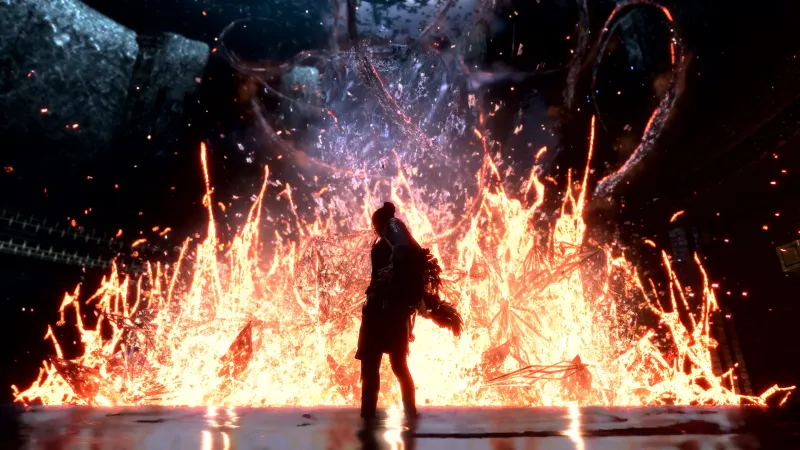
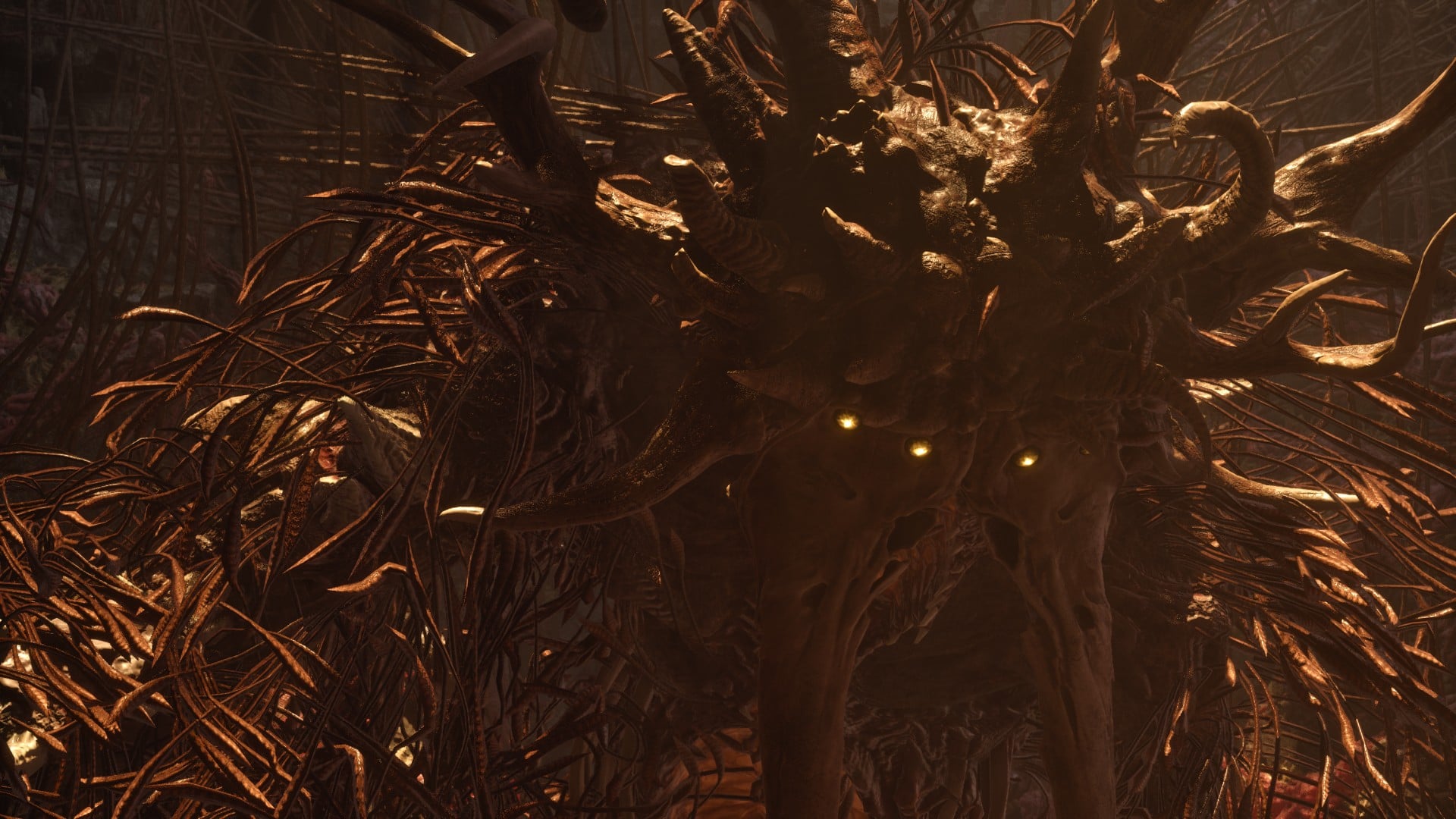
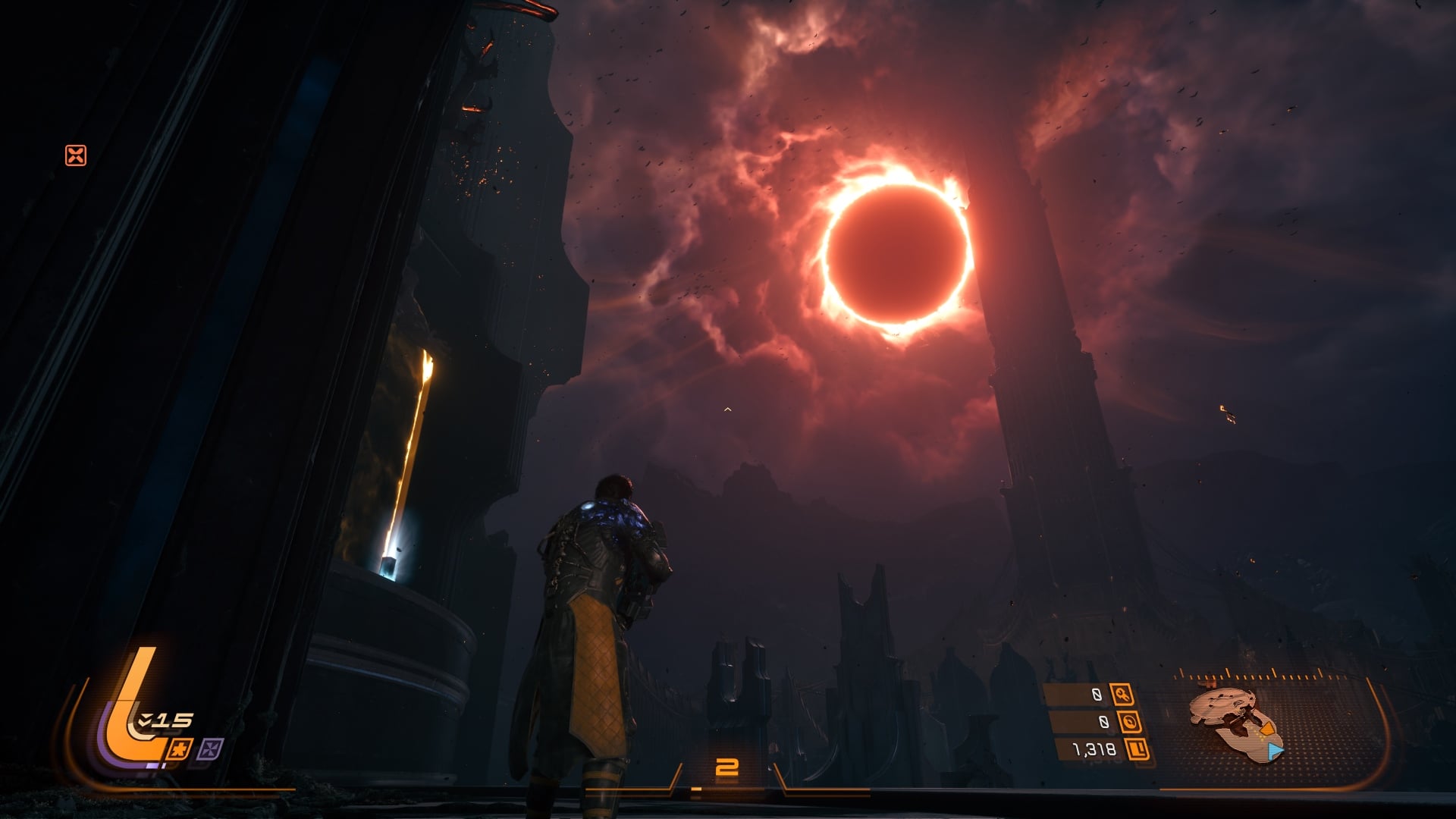
The narrative follows Arjun Devraj, a soldier for the Soltari corporation, who leads an expedition to the mysterious, ever-changing planet of Carcosa. Seeking answers about a previous scouting team that vanished, Arjun finds himself trapped under a distorted solar eclipse. The world physically reshapes itself with every run, ensuring that no two expeditions are identical. Arjun is caught in a cycle of death and resurrection, forced to survive while the planet’s shifting geometry and oppressive atmosphere slowly erode his sanity.
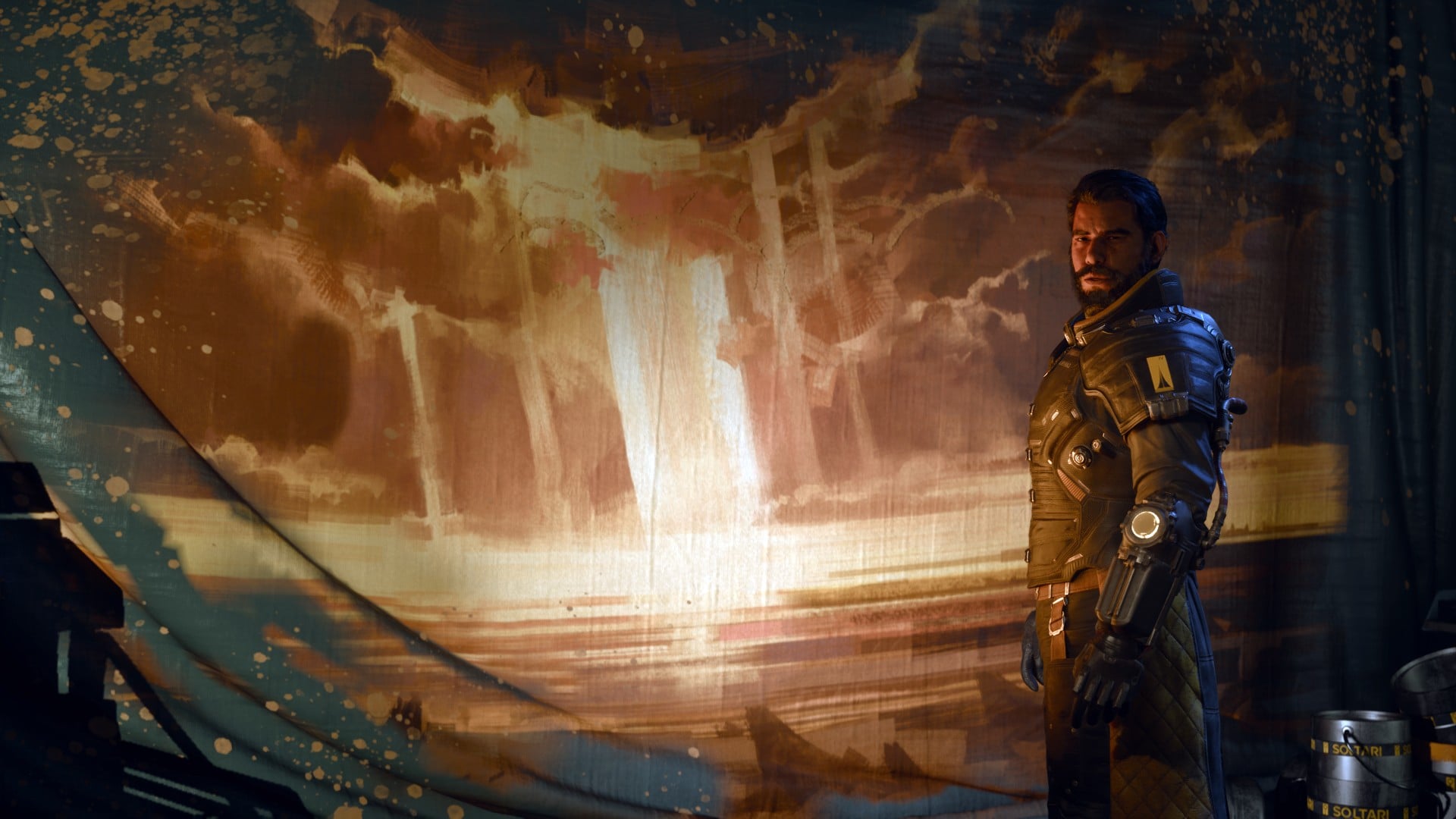
While the game initially presents itself as an ensemble piece featuring the Echelon IV crew, it quickly pivots into a focused, intense character study of Arjun. Portrayed by Rahul Kohli (iZombie, The Fall of the House of Usher), Arjun is a complex protagonist whose internal struggle mirrors the external chaos of Carcosa. The supporting cast, while primarily serving as conduits for the encroaching psychological horror, highlights the paranoia that defines the mission’s slow collapse.
Gameplay: Mastering the Bullet Hell
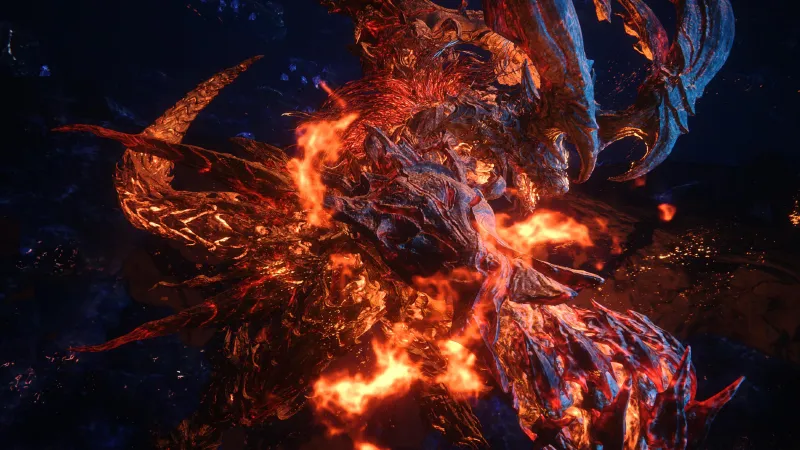
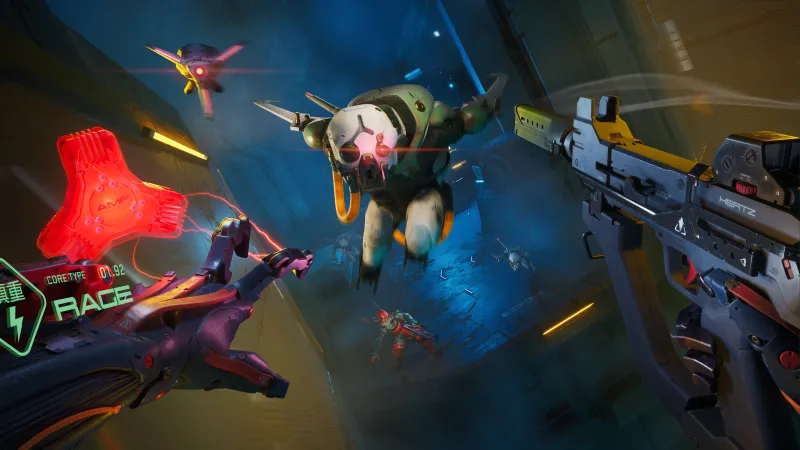
Saros retains the “tough-as-nails” DNA of Housemarque’s previous work, demanding precision in every dodge, dash, and shot. Players must contend with randomized weapon rolls and an aggressive enemy roster that punishes hesitation. Unlike Returnal, Saros offers a slightly more forgiving progression system; resources gathered during runs allow for permanent upgrades, ensuring that even the most devastating failures contribute to future success.

Visual communication remains a hallmark of the studio’s design. By utilizing distinct color-coding for attacks—yellow for projectiles, blue for shield-absorbing hits, and red for parries—the game turns chaotic encounters into a rhythm of muscle memory. Survival becomes an acquired habit, transforming the player from a frantic victim into a master of the game’s unpredictable environment.
Customizable Difficulty and Strategic Depth
One of the most notable features of Saros is its approach to accessibility. Players can toggle various modifiers before a run to tailor the difficulty to their preference. However, these adjustments come with a “give and take” system: lowering damage intake, for example, might result in fewer resources retained after death. This allows both newcomers and hardcore “masochist” players to tune the experience without compromising the game’s core vision.
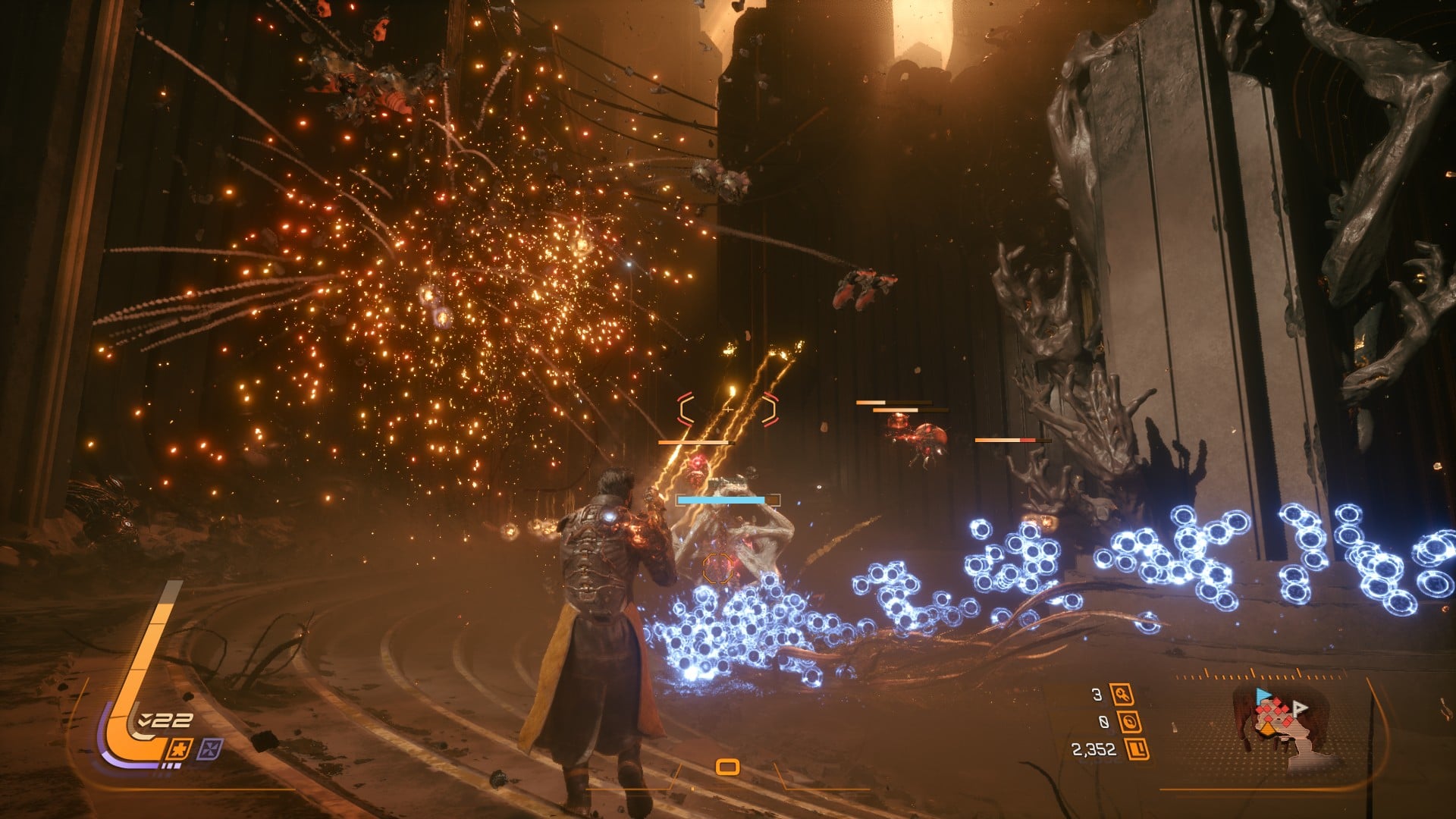
The combat loop demands constant adaptation. Players who grow comfortable with a specific loadout, such as an assault rifle with auto-aim, will eventually be forced out of their comfort zone by encounters that require different tactics. This requirement to improvise is the ultimate test of skill, keeping the experience fresh and anxiety-inducing even after dozens of hours.
A Distinctive Voice in the PlayStation Catalog
Saros stands out as a unique entry in the current PlayStation ecosystem. In an era where studio output can sometimes feel homogenized, Housemarque maintains a distinct, uncompromising identity. The game is a prickly, demanding experience that rewards persistence with profound mechanical depth and narrative intrigue. For those willing to brave the psychological and physical carnage of Carcosa, Saros offers a rewarding, multilayered journey that demands to be played again and again.