
PUBG Studios is executing a massive strategic pivot to reclaim its foothold in Western markets by transforming the iconic battle royale into a versatile content platform, as revealed by director Taehyun Kim and franchise director Taeseok Jang during the game’s ninth anniversary celebration in Seoul.
The Shift Toward a “Platform” Strategy
Despite maintaining a massive player base in East Asia, PUBG has seen a decline in Western popularity. To counter this, Krafton is moving away from a single-mode focus, aiming to turn PUBG into a “long-lasting global cultural icon.” This two-pronged approach involves integrating user-generated content (UGC) and partnering with external studios to diversify gameplay experiences. Kim hinted that further cultural expansion is on the way, including a collaboration with a major Western musical artist.

While industry observers often compare this strategy to Fortnite, the PUBG leadership prefers to view other developers as partners in a shared journey rather than direct competitors. Kim acknowledges that PUBG Studios was slightly late to the “platformization” trend but emphasizes that the team is working aggressively to bridge the gap.
Testing New Waters: Xeno Point and Payday
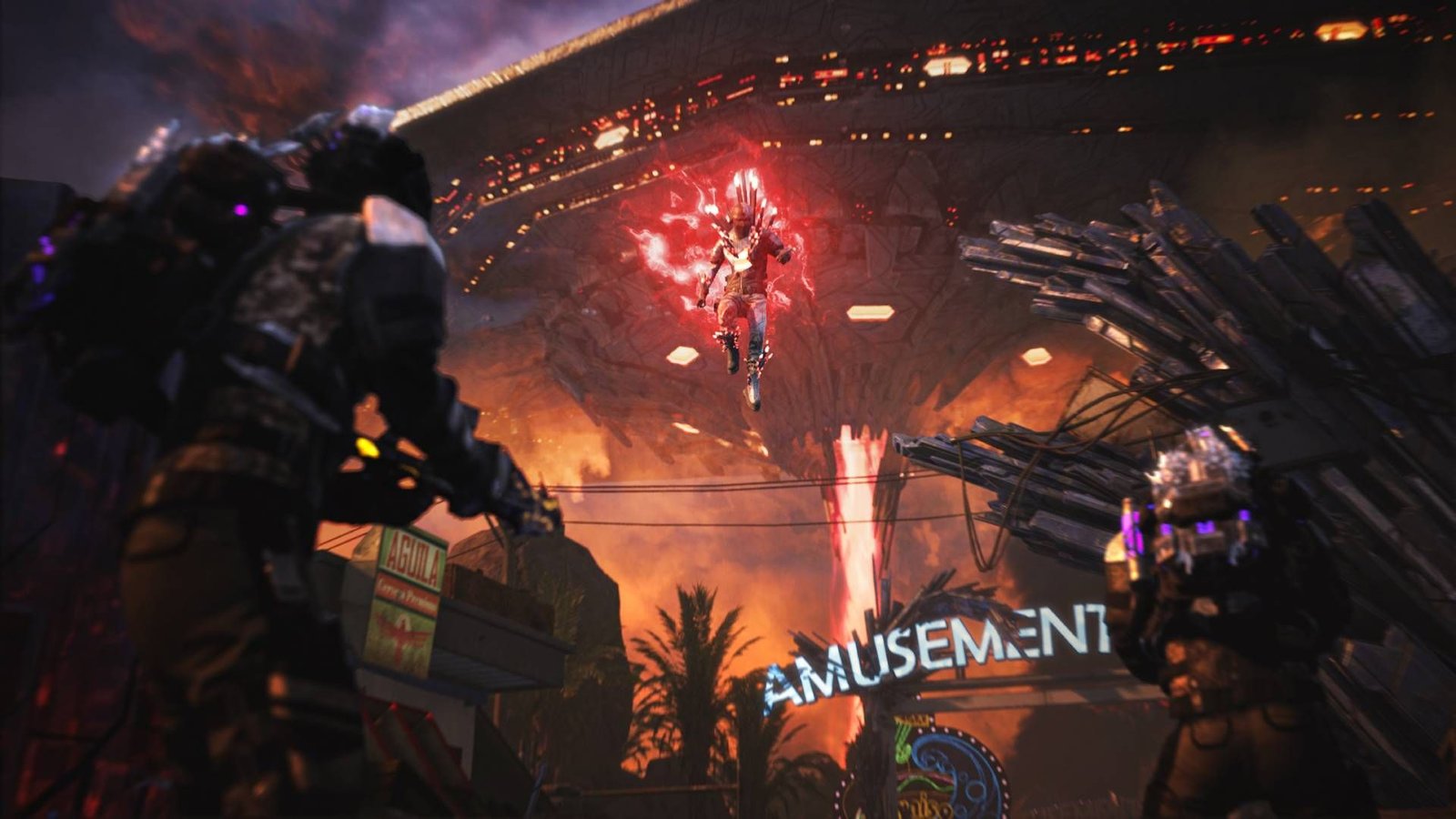
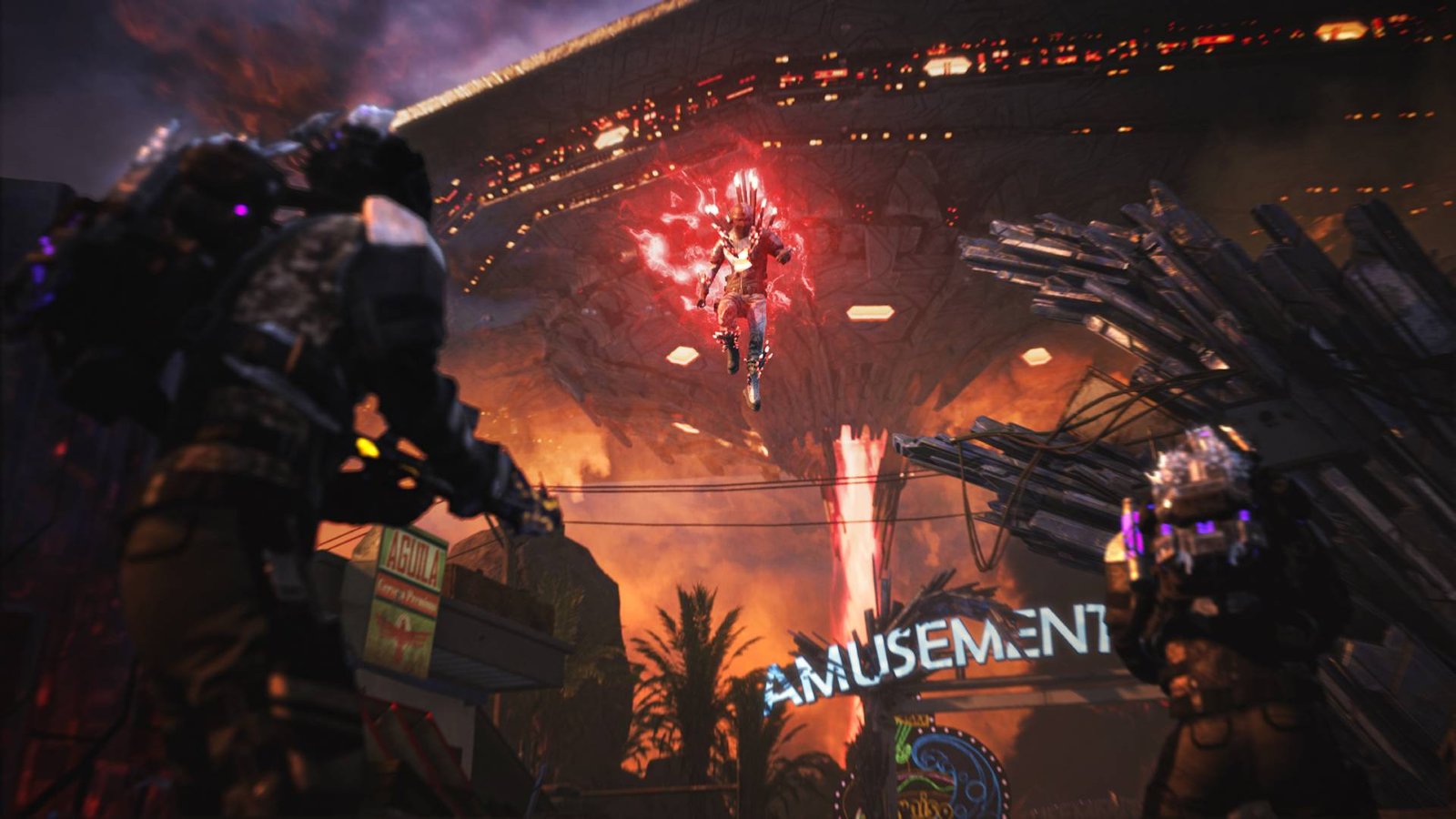
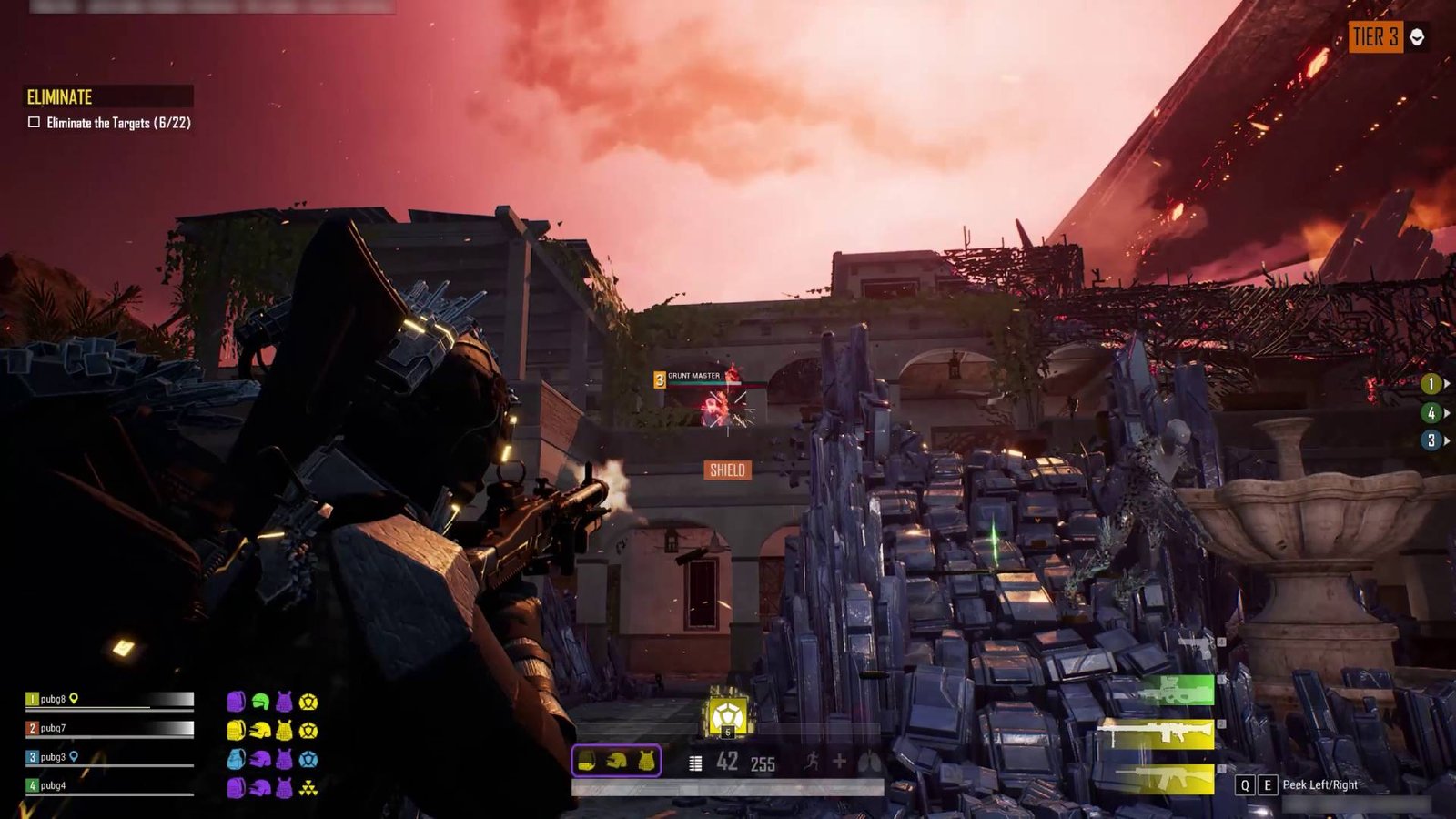
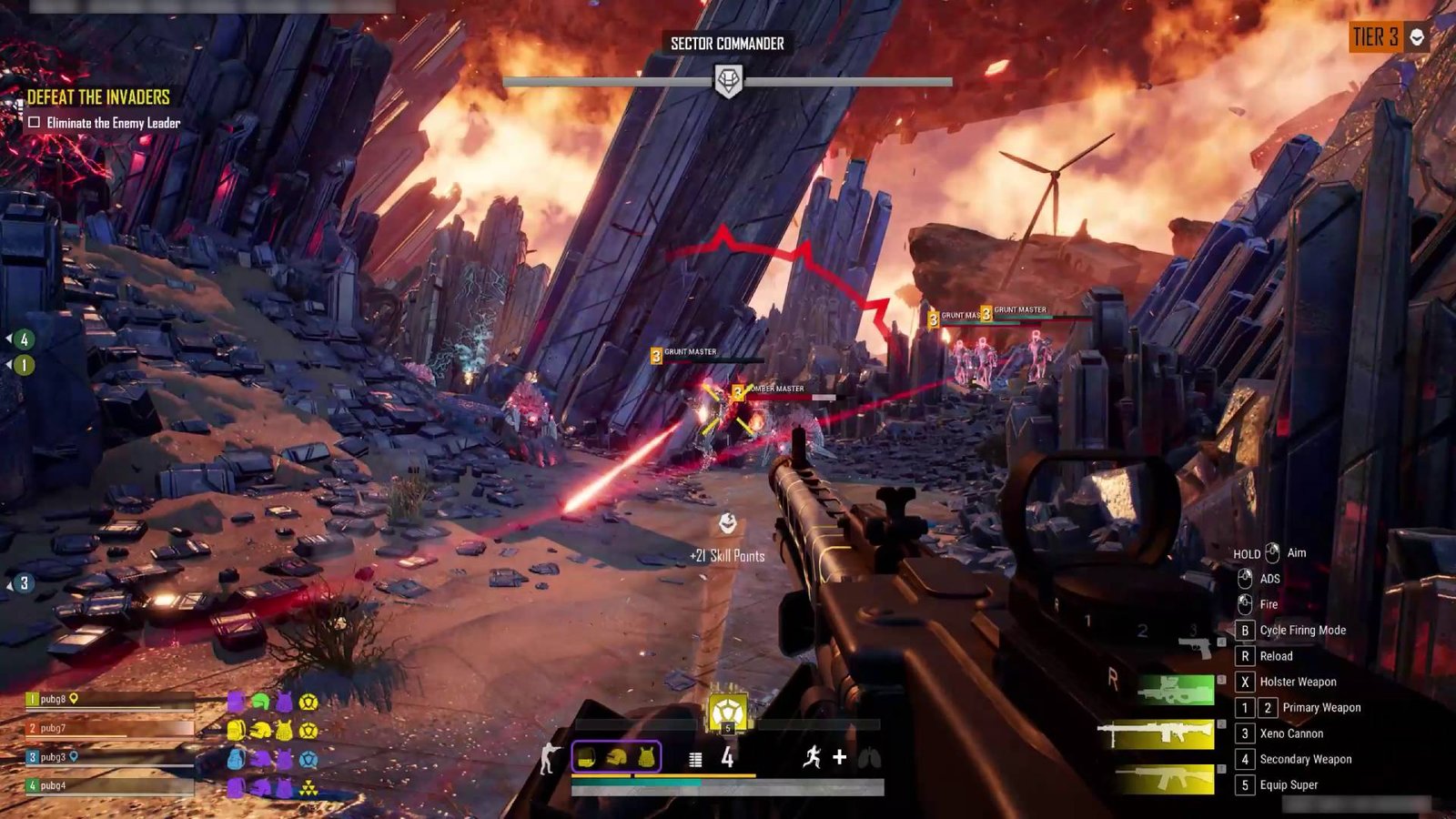
The first major step in this evolution is the introduction of Xeno Point, a PvE co-op mode set on the Miramar map. Featuring rogue-lite mechanics and alien-infested environments, the mode serves as a low-stakes entry point for new players. However, early previews suggest the mode may struggle to provide the depth needed to draw in a new generation of gamers, as current enemy design and objective pacing feel somewhat derivative.
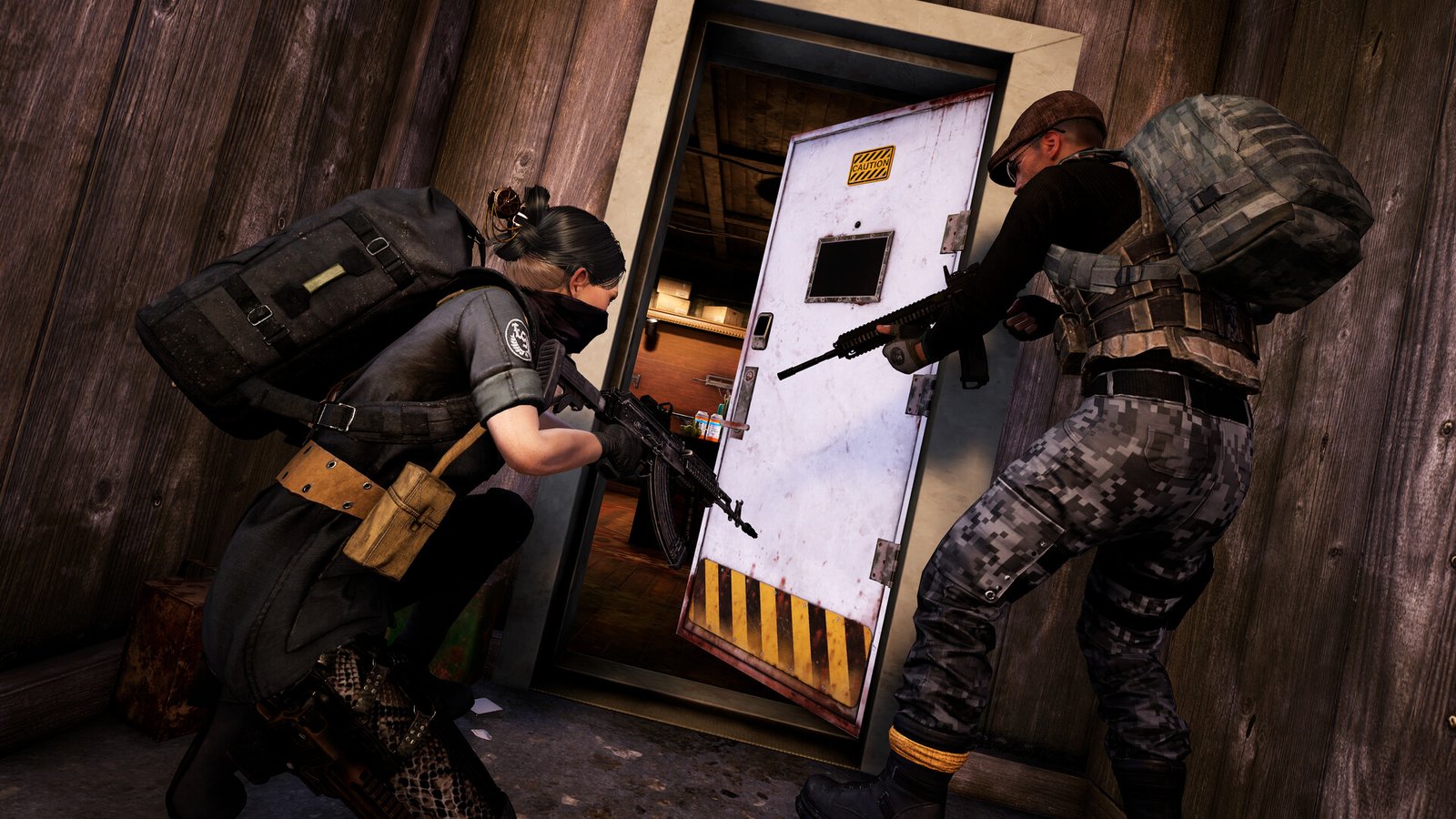
The expansion continues in May with a Payday collaboration, bringing high-tension heisting mechanics into the PUBG ecosystem. Beyond these modes, Krafton is preparing for a full-scale UGC hub launch in August. These initiatives are essential, as the studio admits it has historically struggled to capture the specific desires of the console-heavy Western market.
Refining the Future of the Universe
Despite the push for modernization, the team has no intention of reverting to the slower, tactical pace of the game’s early years. Instead, they are prioritizing agility and rapid prototyping. The recent decision to shutter the PUBG: Blindspot project after only two months in early access serves as a case study in the studio’s new “fail fast” mentality—an attempt to learn from player feedback without wasting resources on unviable concepts.
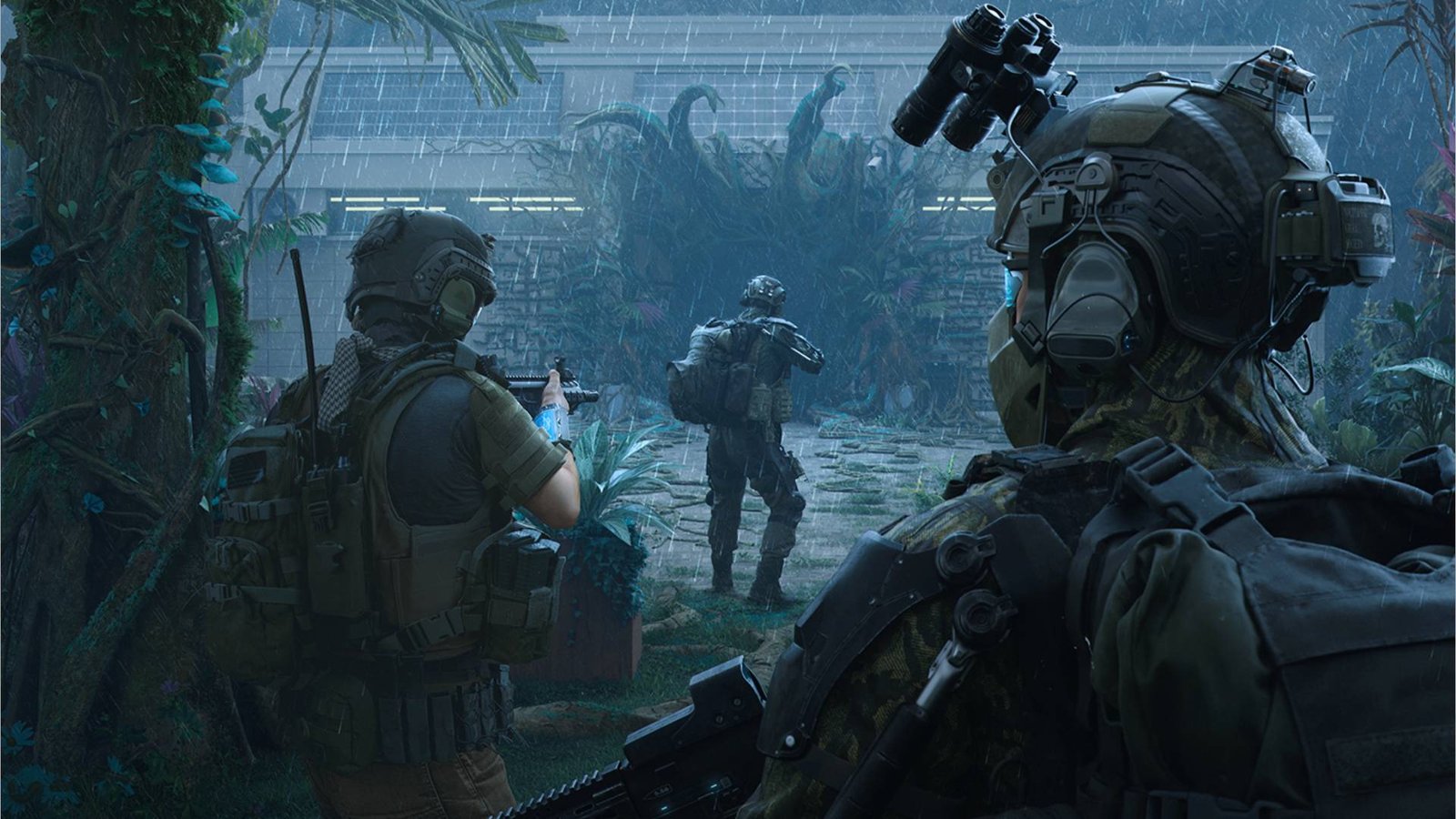
Future projects, such as the upcoming extraction shooter PUBG: Black Budget, are designed to exist alongside the core game rather than cannibalize it. For the leadership team, the focus is on sharing capabilities across the franchise to build a cohesive, expansive universe.
Whether this shift toward a platform-based model will resonate with Western players remains to be seen. As the studio prepares for the next six months of massive updates, the success of their UGC experiment will likely define the next decade of the franchise.