

Capcom’s long-awaited action title, Pragmata, successfully revitalizes the third-person shooter genre by masterfully blending high-octane combat with a unique, real-time hacking mechanic that keeps players engaged despite its occasional narrative shortcomings.
A Partnership Born in a Corporate Moonbase
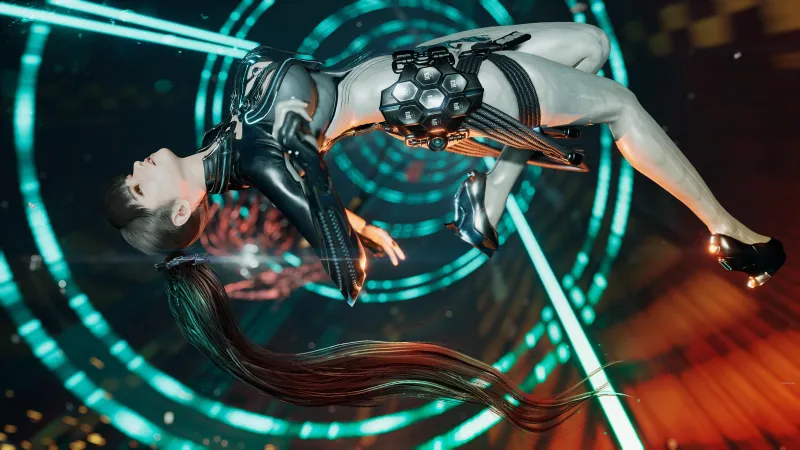
The story follows Hugh, a specialist deployed to a corporate moonbase where a profit-driven Earth-based entity manufactures 3D-printed environments and robotics. Following a catastrophic arrival, Hugh forms an unlikely alliance with Diana, an advanced robot designed to mimic the appearance and mannerisms of a young girl. While Hugh provides the firepower, Diana handles the hacking of the menacing automatons that stalk them through the mysterious lunar facility.
Themes and Environmental Design
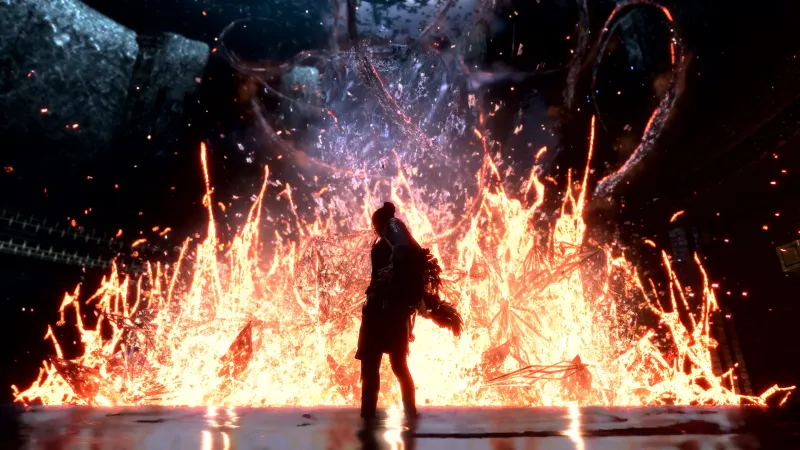
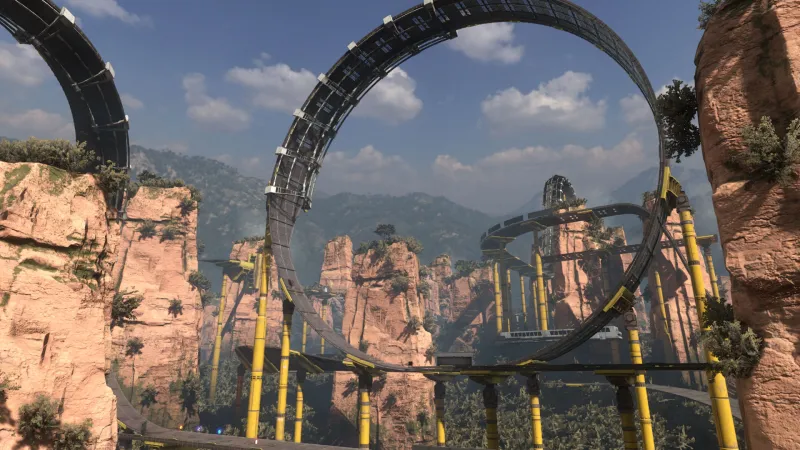
While Pragmata hints at deeper commentary regarding the dangers of artificial intelligence, it ultimately avoids taking a definitive stance. Instead, the game focuses on the intimate, albeit heavy-handed, father-daughter dynamic between Hugh and Diana. Visually, the game shines through its contrast; while the base itself can feel sterile, players traverse elaborate holographic simulations—ranging from a digital New York City to holographic coastlines—that provide a stunning backdrop to the stark, industrial lab walls.
Innovative Combat and Hacking Mechanics
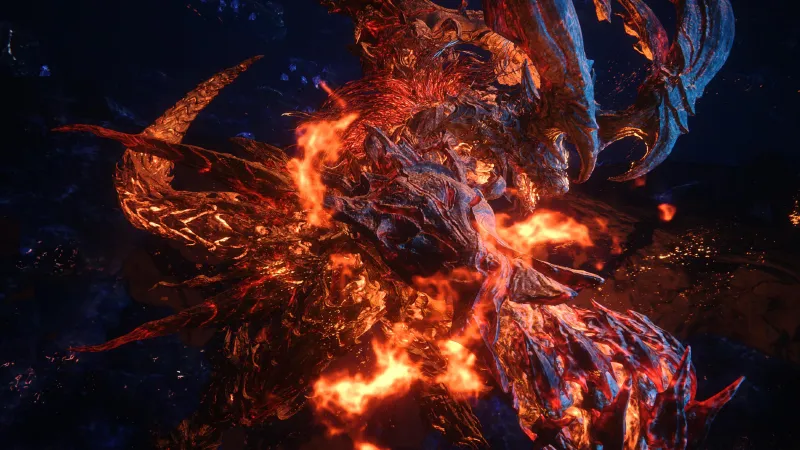
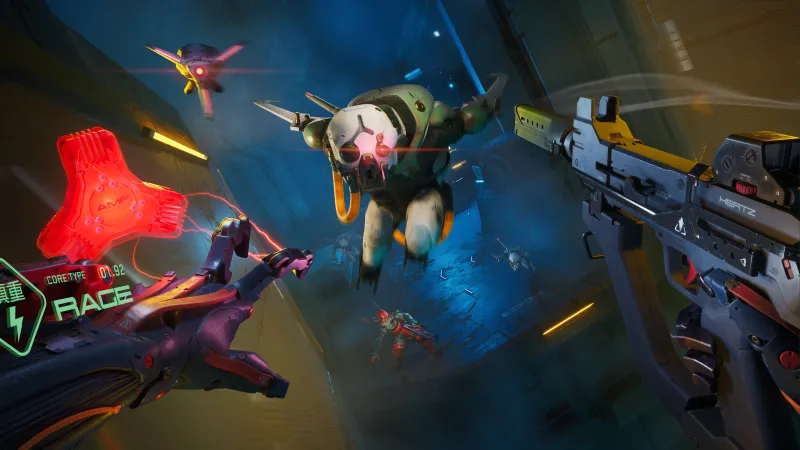
Combat encounters occur in tight, arena-style spaces where players must adapt to diverse enemy types with unique attack patterns and defensive strategies. While the core shooting mechanics can occasionally feel stiff, the introduction of Diana’s hacking system adds a layer of depth. By navigating a grid interface while simultaneously firing, players can weaken enemies in real-time. This balancing act of dodging, shooting, and hacking creates a frantic, rewarding loop that remains challenging as the game introduces environmental glitches and unpredictable AI.
Exploration, Progression, and Pacing
Though the game follows a largely linear path, it rewards players who venture off the beaten track with hidden rooms, combat challenges, and traversal secrets. Navigating these spaces can be frustrating due to an unhelpful in-game map, though a reliable radar ping system mitigates the confusion. Between skirmishes, players return to a central shelter to upgrade gear and deepen the bond between the leads. While this hub offers a sense of progression, the requirement to return for basic health and ammo refills can feel like an unnecessary chore.
Final Verdict: A Bold Experiment
Pragmata respects the player’s time, clocking in at approximately 15 hours. While the novelty of the combat mechanics can wane in the final hours, the game offers plenty of replayability through New Game Plus, training missions, and a post-game mode for completionists. Despite a somewhat conventional narrative structure, Pragmata stands out as a commendable effort from a major publisher willing to gamble on unconventional systems and striking futuristic visuals.