
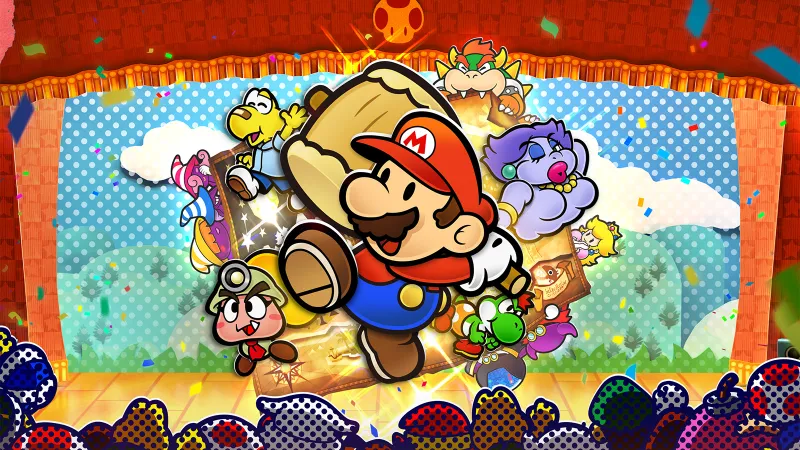
Nintendo has finally brought the 2004 GameCube masterpiece, Paper Mario: The Thousand-Year Door, to the Switch, offering a visually stunning remaster that proves why this RPG remains a genre benchmark while highlighting the series’ early identity crisis.
A Visual Glow-Up for a Retro Classic
Paper Mario has always been a masterclass in timeless art direction, prioritizing style over raw graphical fidelity. The Switch remaster elevates this even further, primarily through overhauled lighting effects that make the world feel modern and vibrant. Beyond the aesthetics, Nintendo implemented quality-of-life improvements—such as faster partner switching and intuitive shortcut keys—that effectively strip away the friction that usually accompanies two-decade-old titles.
Combat Mechanics: Engaging but Persistent
The active, timed-button combat system remains as satisfying as ever. However, the game maintains a rigid hand-holding approach; the execution prompts persist throughout the entire adventure rather than fading away after the tutorials. Additionally, while special abilities are tactically vital, they are undeniably time-consuming. This design choice often forces players to prioritize speed over strategy, opting for partners with faster attack animations even when they deal less damage.
The Evolution of the Mario RPG Formula
The Thousand-Year Door serves as the pivot point where the Paper Mario series began drifting away from traditional RPG progression toward adventure-focused gameplay. This shift eventually culminated in titles like 2020’s The Origami King, which abandoned leveling mechanics entirely. While the sense of progression in this entry is still rewarding, it serves as a stark reminder of the series moving toward a more streamlined, less RPG-centric future.
World-Building and The Backtracking Burden
Where the adventure elements truly shine is in the game’s imaginative world-building and eccentric cast of characters. Encountering wholly original, bizarre NPCs that defy the standard Mario aesthetic provides a refreshing experience. Unfortunately, this strength is hampered by excessive backtracking. Many chapters force players to traverse the same areas repeatedly to fetch items, and with limited fast-travel options, these segments often feel like tedious filler.
Side Content and Final Verdict
The non-Mario sequences offer mixed results. Princess Peach’s segments feature clever dialogue and puzzles, but Bowser’s contributions feel largely superfluous. His minor payoff at the end of the game does not justify the time spent checking in on him between chapters. Despite these flaws and the combat pacing issues, The Thousand-Year Door remains a joyful, weird, and essential journey. Its relentless fourth-wall-breaking humor and unique charm confirm its status as a must-play classic on modern hardware.