
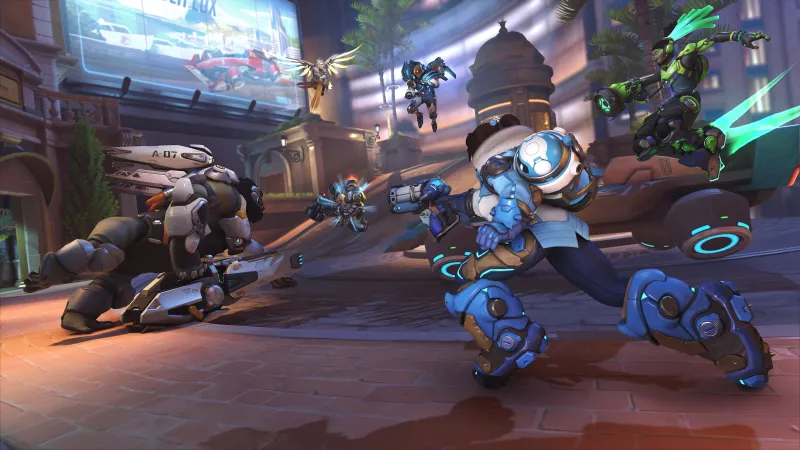
Overwatch 2 successfully revitalizes the beloved hero-shooter franchise by transitioning to a free-to-play model and a high-intensity 5v5 format, delivering a refined, action-packed experience that feels like a natural evolution rather than a total reinvention.
The Impact of the 5v5 Shift
The core gameplay remains as exhilarating as ever, with the familiar thrill of coordinated team pushes and game-changing Ultimates still driving the experience. The most pivotal change is the shift to a 5v5 structure. By reducing teams to a single tank, Blizzard has heightened the importance of individual performance and created space for faster, more aggressive combat. This new pacing shines brightest in the “Push” game mode, where teams fight to escort a robot toward the enemy spawn, creating dynamic, momentum-shifting encounters.
New Heroes and Refreshed Meta
Blizzard launched the sequel with a significant injection of content, including three new heroes—Junker Queen, Sojourn, and the standout support hero Kiriko—alongside six new maps and over 30 skins. These additions, paired with extensive reworks for veterans like Orisa, Doomfist, Zarya, and Bastion, have effectively flipped the game’s meta. The result is a roster that feels revitalized and balanced for the new competitive landscape.
Monetization and the Battle Pass
The transition from loot boxes to a Battle Pass and in-game shop is a notable departure. Players now progress through tiers by completing daily, weekly, and seasonal challenges. While the shift removes the randomness of loot boxes, the new structure has its own drawbacks. Most notably, the requirement to reach level 55 of the free track to unlock new heroes—while premium pass holders gain immediate access—creates a disparity that may frustrate non-paying players. Additionally, the recurring cost of premium passes means frequent players could easily surpass the original game’s retail price within a year.
Onboarding and the New Player Experience
For newcomers, the entry process is more rigorous. Blizzard has implemented a system requiring players to complete up to 130 matches to unlock the full roster of original heroes. While intended to prevent cheating and slowly onboard new users, it can feel like a significant barrier to entry. Fortunately, wins count double toward this requirement, and the strength of the core gameplay loop makes the progression feel less like a chore for those who enjoy the moment-to-moment action.
The Verdict on Overwatch 2
Overwatch 2 may not be the radical departure some expected from a numbered sequel, but it succeeds as a well-rounded update to one of the most iconic multiplayer games of the last decade. Through clever adjustments and a commitment to fresh content, Blizzard has laid a solid foundation for the future of the franchise. It successfully restores the competitive spark, proving that the hero-shooter genre still has plenty of life left.