
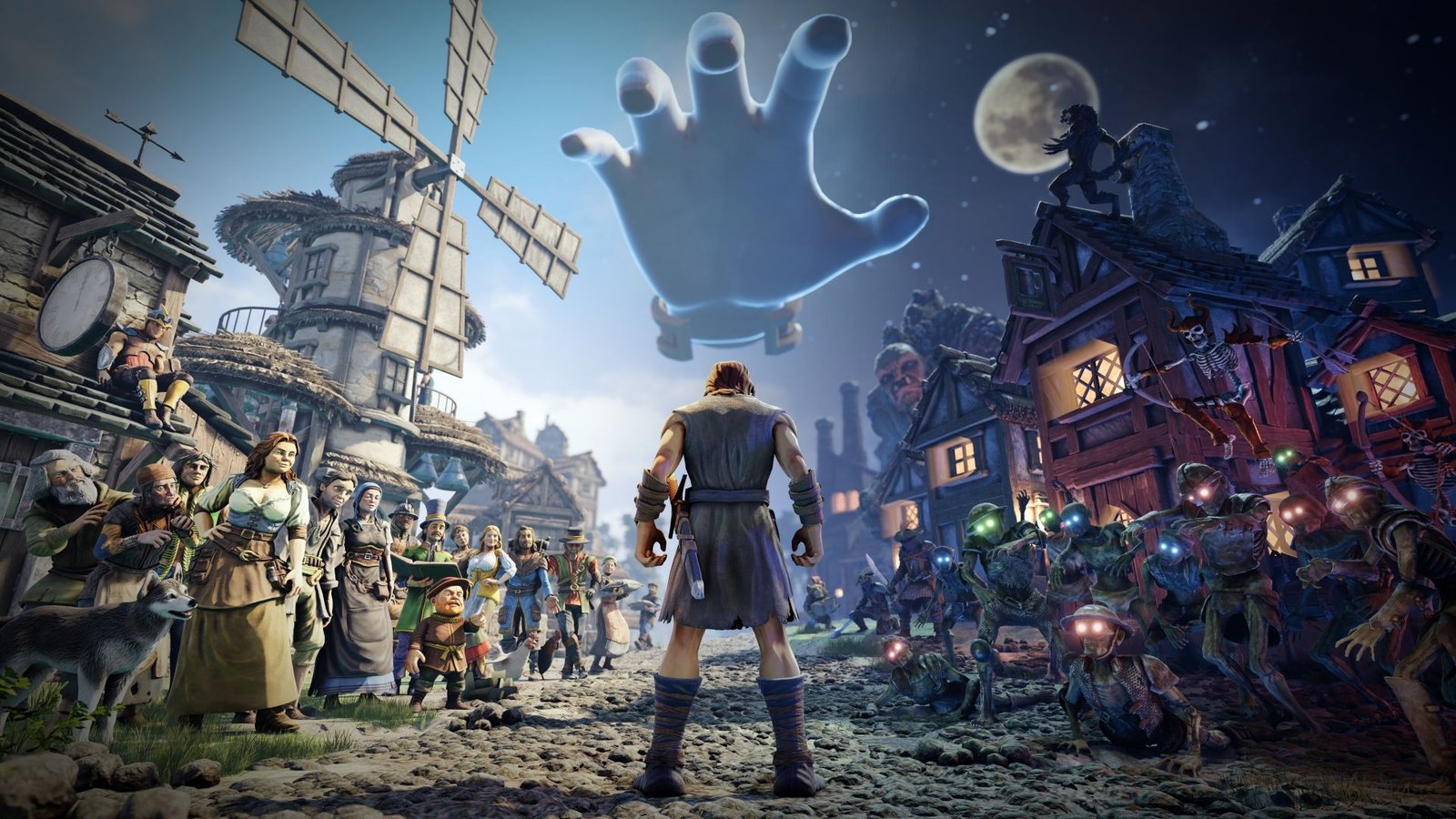
In Masters of Albion, the latest god-game from developer 22cans, players take on the role of a powerful deity tasked with managing a fledgling village by day and defending it against supernatural threats by night—all while choosing between benevolence and questionable morality.
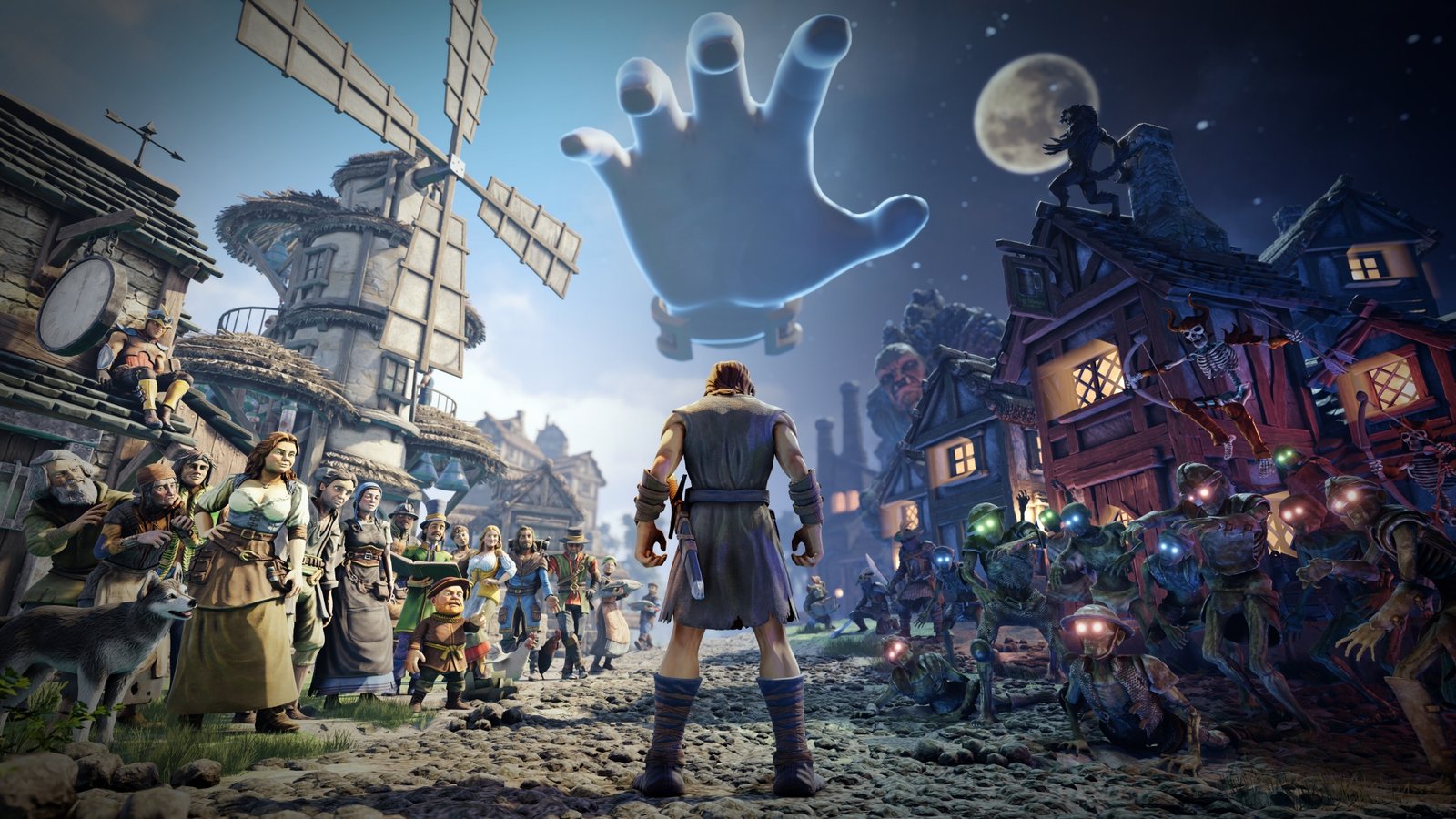
Godhood Comes with Growing Pains
The experience of divine power in Masters of Albion is immediately apparent. Within the first few moments of gameplay, I accidentally launched a worker over 25 meters with my disembodied hand, proving that even deities have a learning curve. Beyond simple manual labor, the game offers a unique economic challenge: you are responsible for running the local factory. My first executive decision? Stuffing the village’s pies with rats to save on costs—after all, you buy cheap, you get cheap.
Building and Managing Your Domain
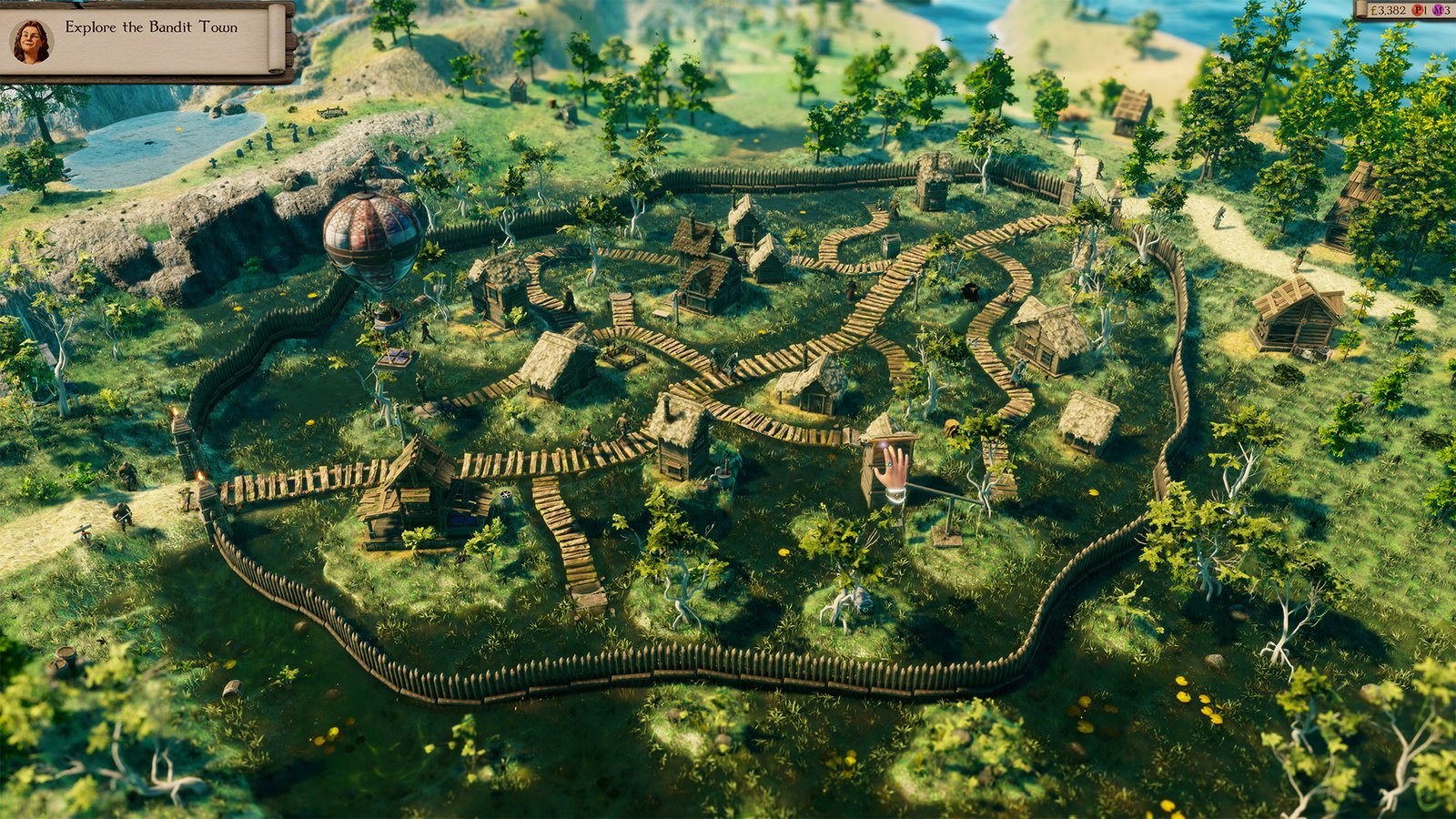
While the god-game genre has evolved into the modern simulation scene, Masters of Albion bridges the gap between the two. You operate as a physical, floating entity capable of scooping up citizens, conjuring fireballs, and manipulating the environment. The starting location, Oakridge, is a neglected wreck that requires a hands-on approach to reconstruction. Buildings are assembled like Lego sets, and the economy functions as a complex machine: farms feed mills, which supply flour to factories, which then fulfill orders for weapons, food, and other resources.
The Art of Cost-Cutting
The game’s factory system requires constant attention to shifting market prices. Completing orders is essential for growth, but the quality of your output is entirely at your discretion. When a lord requests premium sandwiches, I provide quality ingredients; when the order is for 75 bulk pies for the poor, the recipe quickly shifts to rat chunks and rat stock. This industrial flow is vital, as it provides the resources needed for branching upgrade trees, while dark energy harvested from defeated enemies powers your more potent godly abilities.
Combat and Hero Possession
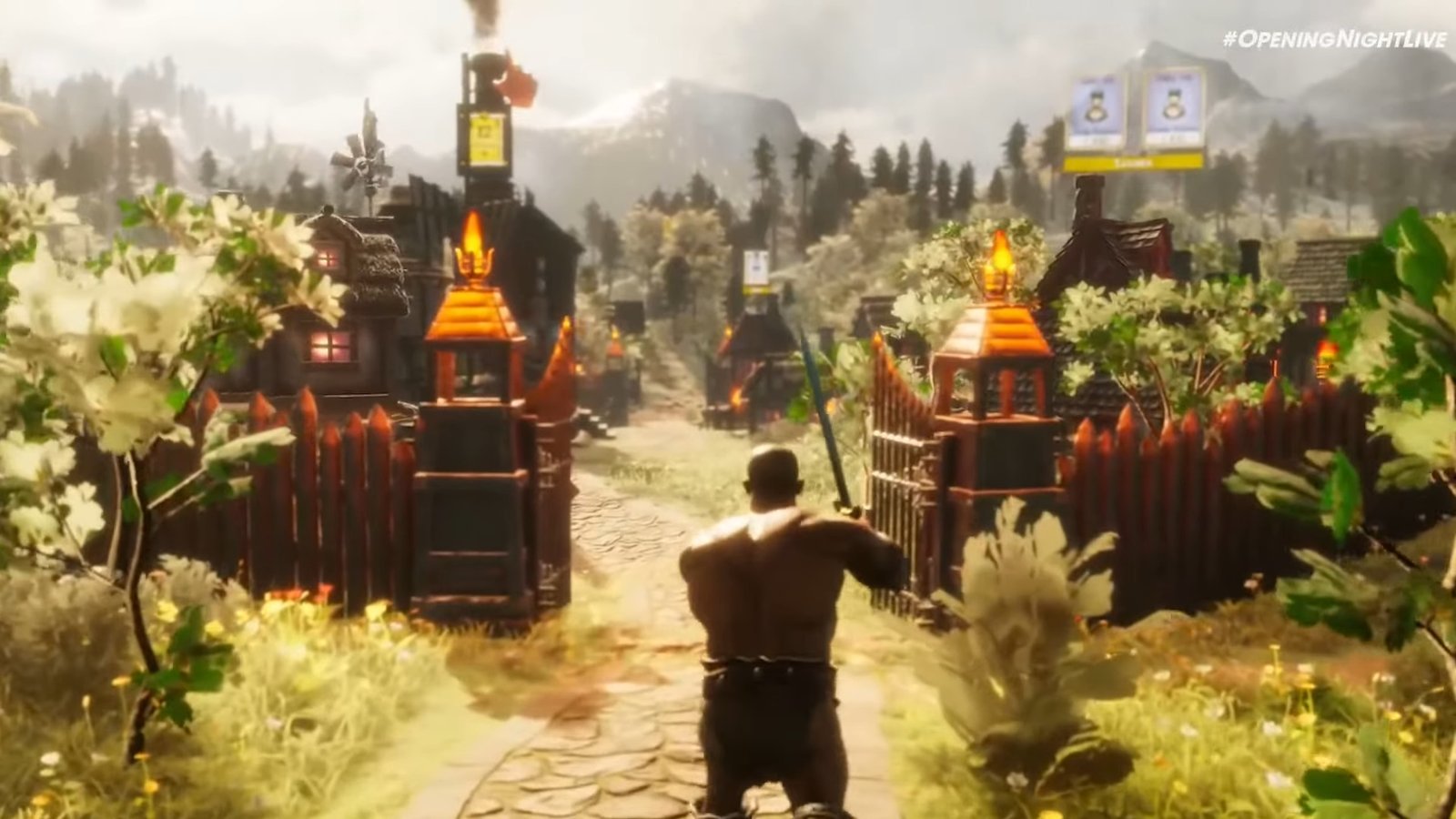
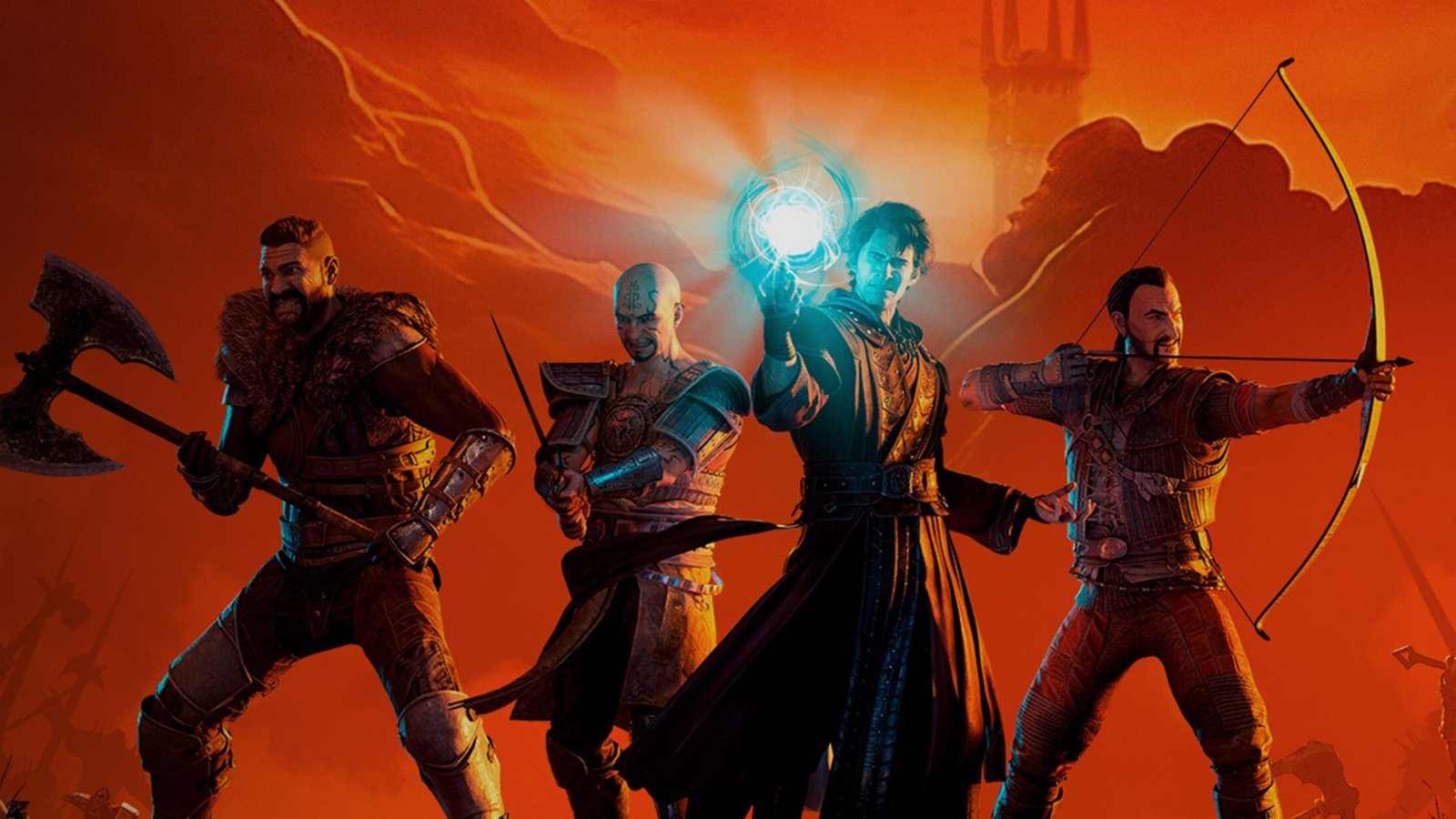
As your influence spreads to neighboring regions like the mining village of Wyrmscar, you must recruit heroes to handle tasks beyond your immediate reach. These heroes can be possessed, allowing you to switch to a third-person perspective to engage in combat directly. While the combat mechanics feel somewhat barebones and act more as a distraction from the larger strategic goals, the feature succeeds in making the fantasy world feel more tangible and interactive.
Surviving the Night
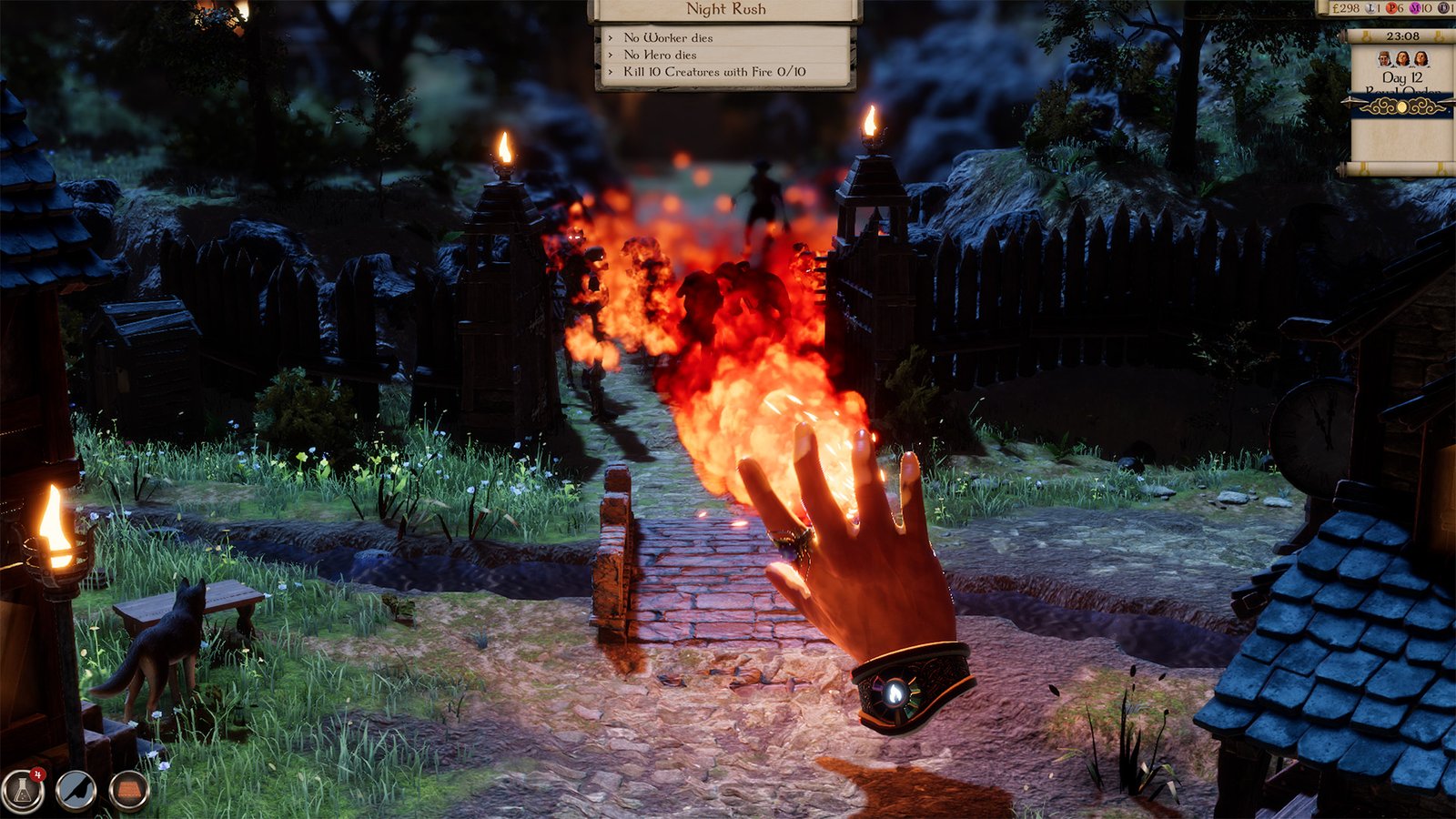
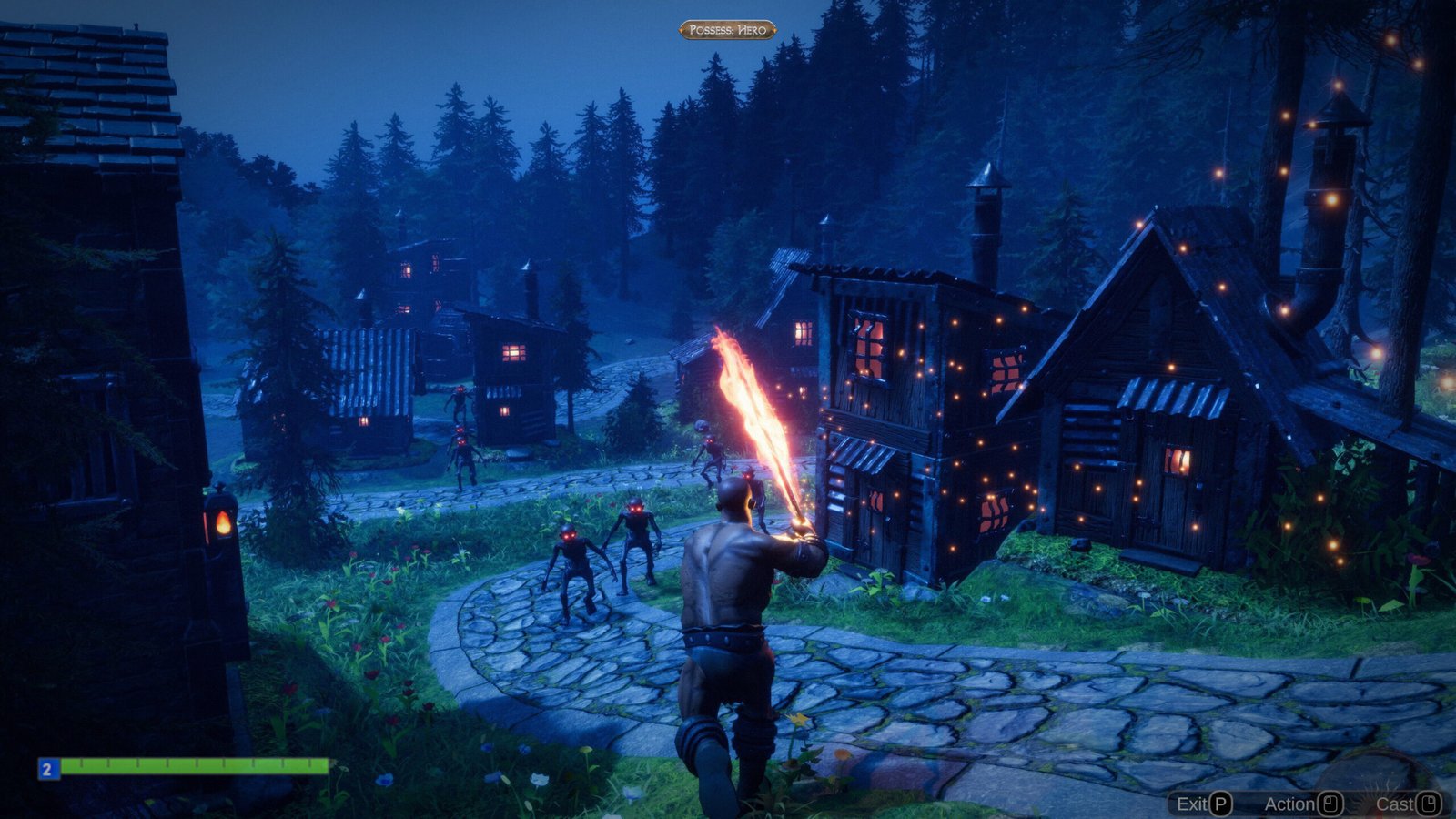
The transition from day to night introduces a survival element. While you can build fortifications and turrets during the day, the night brings waves of enemies that threaten your crypt-home. Strategy is key, as you must manage your defenses to prevent being overwhelmed. On several occasions, when my defenses proved insufficient, I resorted to physically picking up my hero and throwing them into a wall gap to hold the line.
Early Access Realities
It is important to note that Masters of Albion is currently in Early Access. The build is not without its flaws; I encountered significant performance inconsistencies, with the game running better on older hardware than on a high-end 5070 GPU. Furthermore, given the developer’s history with the unfinished Godus, approach this title with a measured sense of caution.
Despite these hurdles, the ambition behind the project is clear. Masters of Albion possesses a distinct charm and a solid foundation of systems that make it a compelling prospect for fans of the genre. Whether it lives up to its full potential remains a matter of faith.