
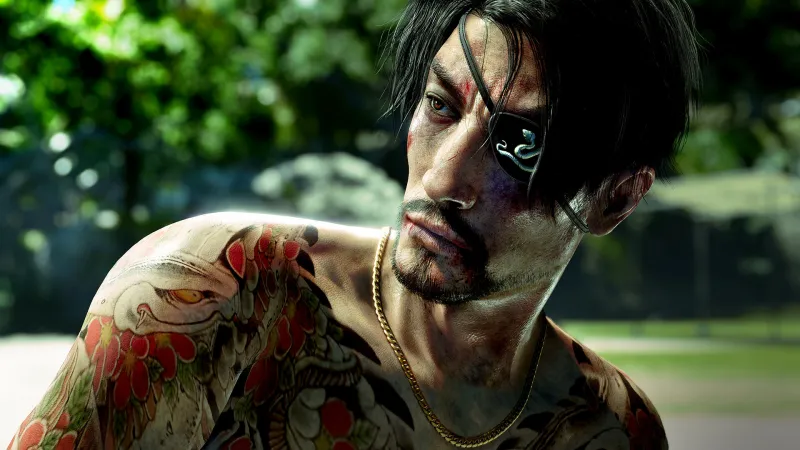
Ryu Ga Gotoku Studio (RGG) continues its relentless release schedule with Like a Dragon: Pirate Yakuza in Hawaii, a spin-off that proves even a side-adventure can be remarkably dense and engaging. While initially perceived as a minor expansion to the main franchise, Goro Majima’s latest outing offers a substantial experience that, while not pivoting the series’ core narrative, thrives by coloring outside the lines of traditional Yakuza gameplay.
A Fresh Perspective on a Fan Favorite
For newcomers to the franchise, specifically those who entered with Ichiban Kasuga in Yakuza: Like a Dragon and Infinite Wealth, this title serves as an accessible entry point. The narrative hook—Majima washing ashore with amnesia—is a well-worn trope, yet it functions perfectly here, allowing both the player and the protagonist to rediscover his identity simultaneously. While the amnesia slightly limits the depth of his characterization by the finale, the journey provides a clear window into why Majima remains a cornerstone of the series’ legacy.
Absurdist Charm Meets Heartfelt Storytelling
Pirate Yakuza maintains the series’ signature blend of high-stakes drama and eccentric humor, arguably ranking as the most outlandish entry to date. Between Majima establishing himself as a pirate captain, breaking into spontaneous musical numbers, and managing a private zoo, the game embraces pure absurdity. Despite this, the narrative retains a grounded emotional core, anchored by Majima’s genuine commitment to fulfilling the dreams of the young boy who saved his life.
Narrative Limitations in the Grand Scheme
Where the game occasionally falters is in its connection to the broader Like a Dragon universe. The story operates largely in a vacuum; by the time the credits roll, Majima’s status quo remains mostly unchanged. The game answers a minor query left over from Infinite Wealth but offers very little in terms of significant lore revelations or teases for future installments. It functions more as a standalone amusement than a bridge to the next major chapter.
Refined Combat and Naval Warfare
The game distinguishes itself through its revamped combat systems. The ground-based fisticuffs feel faster and more fluid than previous action-oriented titles like Like a Dragon Gaiden: The Man Who Erased His Name, with the addition of a grappling hook that adds welcome verticality to brawls.
The introduction of ship combat marks a bold departure. While navigating the ocean and engaging in cannon-fire exchanges can feel slightly more repetitive than street-level combat, the arcade-style execution—such as jumping off the ship’s wheel to fire a rocket launcher—keeps the experience light and entertaining.
Side Content and Final Verdict
Beyond the main campaign, the game is packed with content. The return of the beloved Dragon Kart racing is a highlight, and the crew-recruitment mechanics provide a satisfying gameplay loop. Notably, the sidequest involving the ship’s cook, Masaru Fujita, is a standout experience, particularly for fans of reality dating television.
Ultimately, Like a Dragon: Pirate Yakuza in Hawaii might not be the essential chapter for those obsessed with the overarching franchise plot, but it excels at what the series does best: delivering bombastic action, memorable characters, and a perfect balance of chaotic humor and sincere emotion.