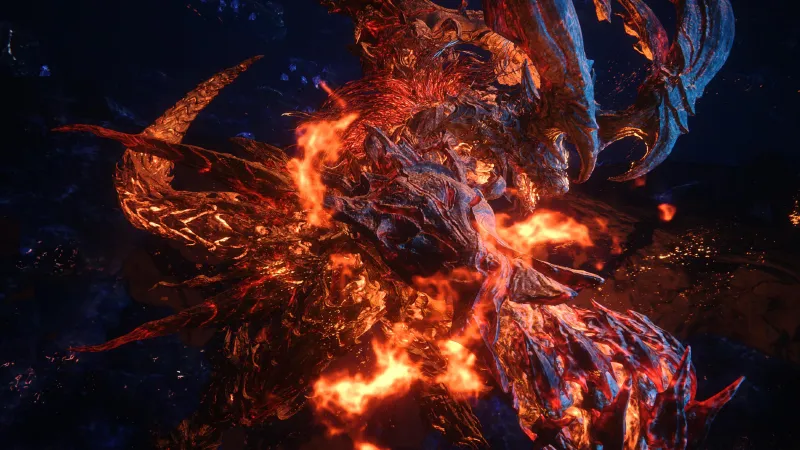

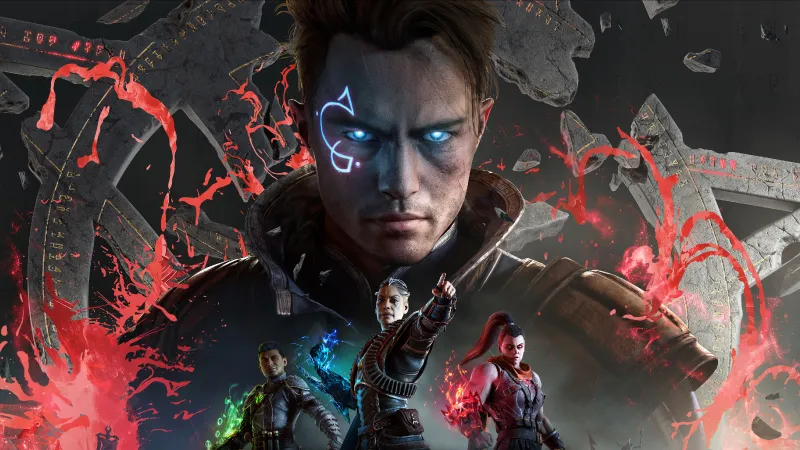
Immortals of Aveum carves a distinct niche in the first-person shooter genre by replacing traditional military weaponry with high-octane sorcery in a sprawling fantasy realm. Developed by Ascendant Studios, the game challenges players to battle ax-wielding knights, powerful sorcerers, and dragons, offering a refreshing departure from the standard gritty military shooters found in today’s market.
Mastering the Everwar’s Magic
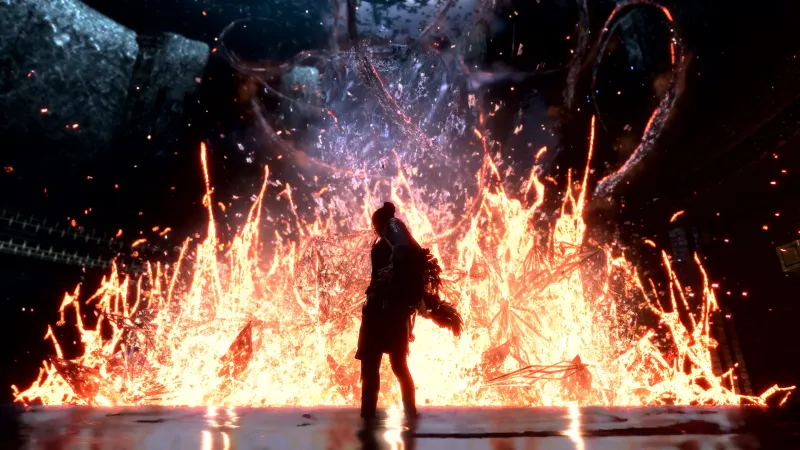
The protagonist, Jak, begins his journey as a “Lightless”—someone born without magical ability. Following a traumatic awakening, he evolves into a Magni and eventually joins the ranks of the Immortals, the elite magic-users of the Lucium army. Combat is defined by three distinct magic types: Force (blue), Life (green), and Chaos (red). These function similarly to sniper rifles, machine guns, and shotguns, respectively. Players must strategically toggle between these types, as specific enemies are protected by color-coded shields that require a matching magical assault to penetrate.
Tactical Combat and Puzzle-Driven Arenas
Ascendant Studios successfully transforms standard firefights into dynamic puzzle arenas. Success in combat requires more than just raw firepower; it demands the tactical use of Fury abilities, grappling hooks, and environmental platforming. While the game provides deep customization through sigils, amulets, rings, and armbands, the core gunplay is sufficiently satisfying that players may find themselves sticking to a preferred loadout rather than obsessing over stat optimization.
Exploration and Metroidvania Elements
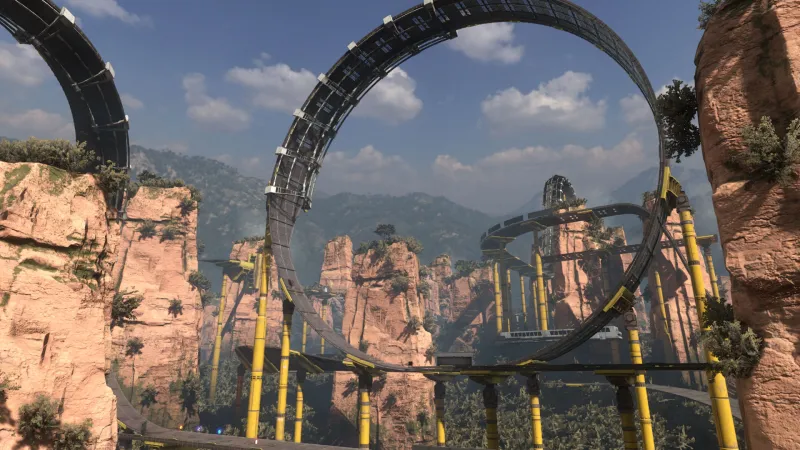
The game world is surprisingly dense, incorporating light Metroidvania mechanics that encourage backtracking. Players can revisit areas to unlock hidden chests, conquer unique challenge rooms, and hunt down optional bosses. The exploration is bolstered by environmental puzzles that require precise magical shots to open new paths, ensuring that the time spent between major combat sequences remains engaging.
Pacing and Narrative Hurdles
While the world-building is ambitious, the game occasionally falters in its pacing. Players are frequently forced into “walking simulator” sequences between cutscenes within the Palathon hub, which can disrupt the momentum established by the intense combat. Furthermore, while the story is straightforward and avoids some common fantasy tropes, it relies heavily on predictable character arcs and jargon-heavy dialogue that may not resonate with every player.
Technical Performance and Audio
Visually, the game presents a unique aesthetic that blends orchestral fantasy scores with modern hip-hop beats, creating a distinct atmosphere. However, the technical experience is currently uneven. Despite a 60 FPS target, the game suffers from noticeable frame rate dips during chaotic combat, and the visuals can occasionally appear muddy. While a day-one patch is intended to mitigate these issues, the current state of the game lacks the polish found in more established franchises.
A Strong Foundation for a New IP
Spanning roughly 16 hours, the main campaign offers a competent, if predictable, narrative that serves as a solid vehicle for the game’s innovative mechanics. By emphasizing combat-puzzle integration and exploration, Ascendant Studios has proven that there is significant room for growth within the fantasy shooter genre. Despite the performance hiccups, Immortals of Aveum is a commendable first outing that successfully breathes new life into the FPS format.