
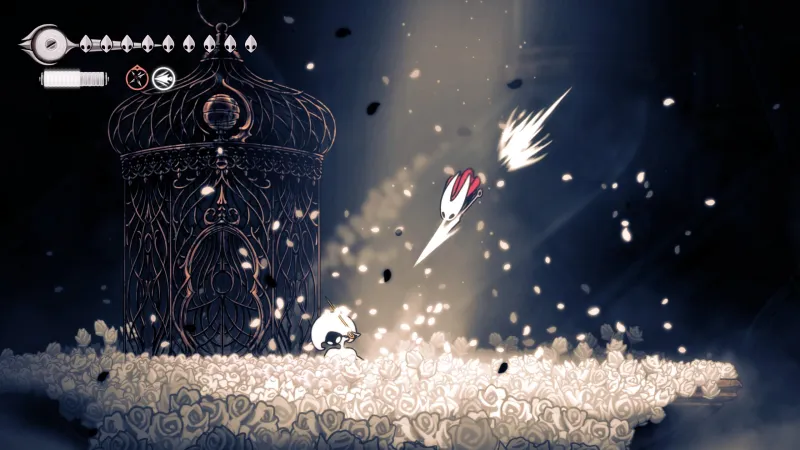
Hollow Knight: Silksong stands as a monumental achievement in the Metroidvania genre, pushing the boundaries of exploration, platforming depth, and atmospheric world-building established by Team Cherry’s original title. While the game offers a profound experience for patient players, its unforgiving progression and occasional pacing hurdles mean it may not suit every gamer, despite its undeniable status as a masterpiece.
A New Kingdom of Mystery
Functioning as a standalone narrative, Silksong follows Hornet, a warrior princess bug abducted and taken to the distant, decaying kingdom of Pharloom. As players navigate this land governed by the strange powers of silk and music, they uncover ancient secrets through immaculate world-building and rich, evocative character dialogue. The transition from the previous game is seamless, allowing newcomers and veterans alike to immerse themselves in the ruins of a once-great sovereignty.
Exploration and Interconnected Design
The world of Pharloom is vast and intricately connected, featuring diverse biomes that range from forgotten experimental halls to complex clockwork machinery. The gameplay loop is defined by rewarding exploration, where the acquisition of new abilities constantly opens up hidden paths and shortcuts. This sense of discovery is a cornerstone of the experience, turning the map into a complex web of interconnected threads that invite deep investigation.
The Challenge of Platforming and Pacing
Platforming sequences in Silksong are notoriously demanding, often requiring precise, split-second inputs over long, unforgiving stretches. While the design of these challenges is undeniably brilliant, the sparse placement of checkpoints frequently disrupts the game’s flow. Players are often forced to repeat manageable sections to reach and master more difficult segments, a design choice that can hinder the overall sense of momentum.
Combat, Crests, and Boss Intensity
Combat is frequent and requires careful resource management, offering a deep sense of progression as players master Hornet’s abilities. The inclusion of distinct crests—which subtly modify movement, attacks, and capabilities—adds a layer of tactical nuance to every encounter. Boss battles, such as those against Lace, Phantom, and the Cogwork Dancers, serve as rhythmic, high-stakes duels that stand out as highlights of the experience.
Refining the Difficulty Curve
Despite the brilliance of boss design, some encounters suffer from extreme damage output and bloated health pools, which can turn intense fights into tedious chores. Coupled with the aforementioned long runbacks required to retry these battles, these elements occasionally feel like unnecessary time sinks rather than meaningful difficulty spikes. Nevertheless, the intentionality behind every system remains clear.
A Journey Worth the Persistence
Beyond the primary narrative, Silksong is packed with optional zones, hidden bosses, and multiple endings that reward the most devoted players. Like a complex musical composition, the game demands time, patience, and persistence to master. For those willing to invest the effort, Silksong provides a rich, immense, and deeply rewarding experience that stands as a true pinnacle of modern game design.