
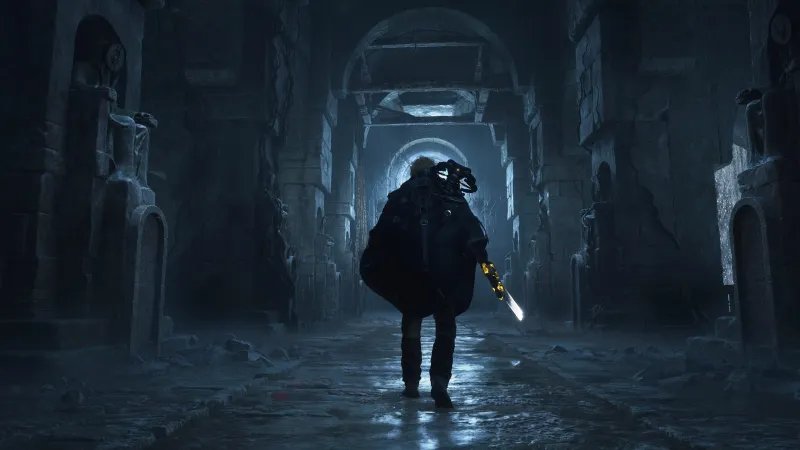
Hell is Us abandons modern gaming conventions like quest logs, maps, and objective markers, delivering a challenging, discovery-driven experience that prioritizes player intuition over hand-holding, despite suffering from repetitive combat and an uneven narrative.
A World That Demands Your Full Attention
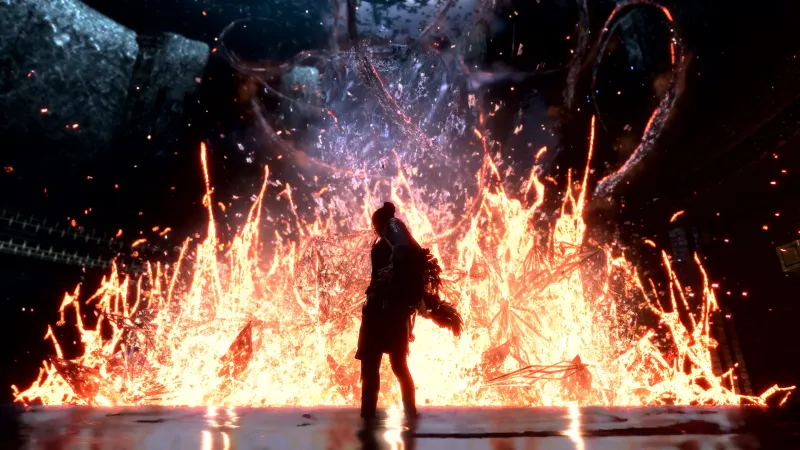
The game follows Remi, a soldier returning to his war-torn, monster-infested homeland of Hadea to uncover the truth about his past. By stripping away traditional guidance, developer Rogue Factor forces players to genuinely engage with the environment. Rather than following breadcrumbs, you must rely on observation, environmental clues, and dense character interactions—reminiscent of classic point-and-click adventures—to navigate the mystery.
Masterful Puzzle Design
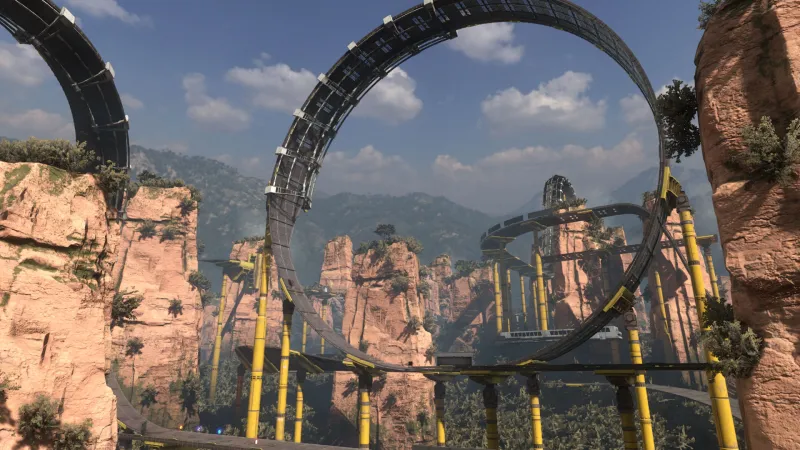
The core of the experience lies in its rewarding puzzle-solving. Whether you are tracking down supplies for a starving NPC or deciphering complex dungeon mechanisms, the game’s logic remains consistent and satisfying. The variety is impressive; while some puzzles utilize your compass and visual landmarks, others evoke the classic design of The Legend of Zelda. Crucially, almost every discovery feels purposeful, as even minor items often serve as keys to larger, overarching mysteries.
While the game eschews traditional quest tracking, it provides a functional flowchart for main story objectives. This balance allows players to deduce solutions independently without feeling lost. However, sidequests lack this support, requiring players to rely on memory or note-taking. While some may find this demanding, it succeeds in making the world of Hadea feel like a reactive, living space that rewards those who pay close attention.
Exploration vs. The Frustration of Backtracking
The need to comb every corner of the environment is a double-edged sword. While uncovering lore-rich relics and hidden history is a treat, the absence of a robust fast-travel system makes backtracking to previously inaccessible areas tedious. Nevertheless, the deep religious and cultural history of Hadea keeps the momentum alive, ensuring that even if you hit a dead end, you are likely to come away with a piece of compelling world-building.
Where Combat Falls Short
Unfortunately, the action elements of Hell is Us do not match the brilliance of its exploration. Combat is largely a repetitive affair, relying on simple button-mashing to defeat enemies. While the drone companion adds some tactical depth—offering crowd control and health regeneration mechanics—the lack of weapon variety and enemy stagnation in the second act makes encounters feel like a chore rather than a thrill.
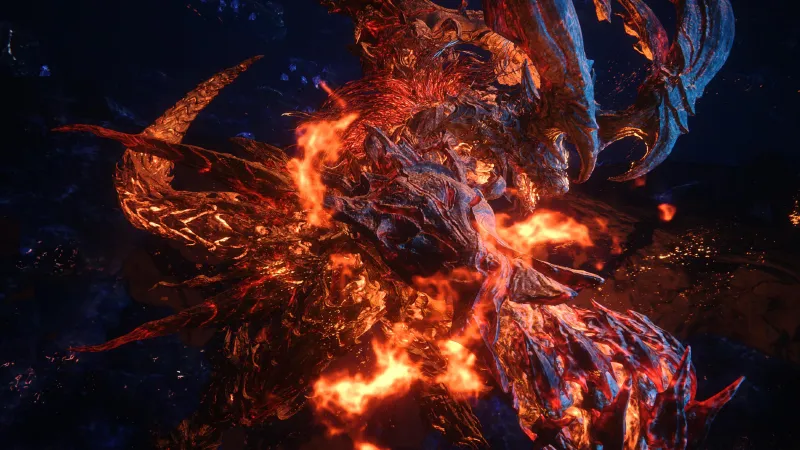
The weapon system features emotion-themed abilities—Crimson for damage and Grief for debuffs—but because the game fails to encourage experimentation, these interesting mechanics often feel underutilized. This is a missed opportunity, especially given the striking, abstract design of the monsters, which feel like haunting manifestations of human trauma.
A Narrative of Highs and Lows
The storytelling is similarly inconsistent. Remi is a largely blank slate, and his stoic nature fails to provide the narrative anchor the game requires. While the introductory and second acts are strong, the final act feels rushed, over-relying on the mediocre combat system and delivering a conclusion that fails to live up to the epic scale established early on.
Ultimately, Hell is Us is a bold, modernized take on the classic action-adventure genre. Its investigation-heavy gameplay is a refreshing departure from the industry standard, making it a title worth experiencing for the puzzles and atmosphere alone, even if the combat and pacing leave room for improvement.