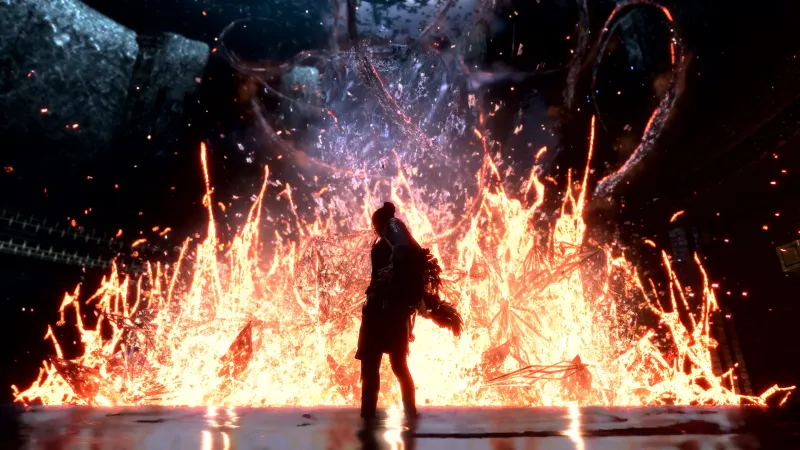

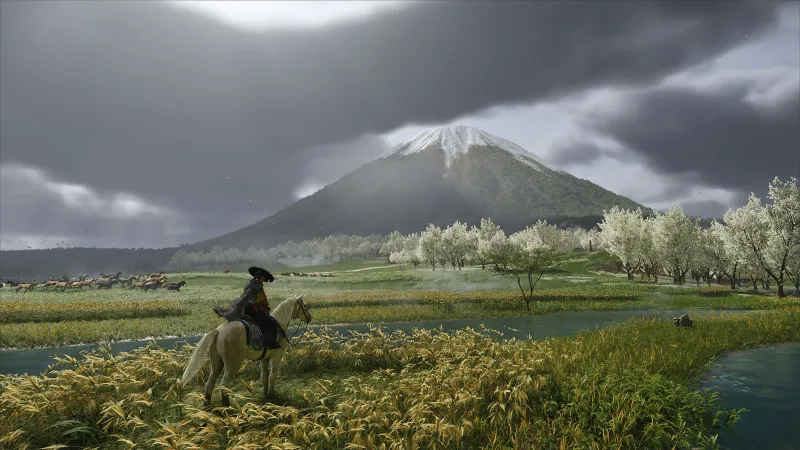
In Ghost of Yōtei, developer Sucker Punch delivers a gripping revenge saga that centers on Atsu, a protagonist driven by the cold, calculated need to hunt down the six men who destroyed her life. Players literally carve their journey into the game, using the PlayStation 5 DualSense controller’s touchpad to write out a hit list of targets, turning each kill into a visceral, deeply personal milestone. This core loop—the satisfaction of defining your objectives and systematically executing them—propels the entire experience, making it an incredibly addictive title that is difficult to put down.
A Fresh Start in the Samurai Universe
Sucker Punch made a bold, strategic decision for this sequel by jumping centuries ahead of Ghost of Tsushima. By setting the game in a new era, the studio maintains the aesthetic and mechanical identity of its predecessor while liberating the narrative from the “baggage” of Jin Sakai’s concluded arc. This allows Ghost of Yōtei to stand firmly on its own merits while operating within a familiar, polished gameplay framework.
Compelling Narrative and Emotional Stakes
Atsu’s quest for vengeance is a familiar trope, yet it is elevated by tight execution and razor-sharp character motivations. The game’s use of player-directed, seamless flashbacks effectively places you in Atsu’s headspace, making her need for retribution feel earned and urgent. Sequences like the hunt for the Kitsune, which delves into Atsu’s relationship with her mother, are genuinely moving. While the narrative occasionally stumbles when targets narrowly escape, the emotional payoff of Atsu’s well-realized characterization more than compensates for these minor pacing hitches.
Iterative Improvements to Signature Gameplay
While the mechanics of Ghost of Yōtei will feel familiar to Tsushima veterans, they have been carefully refined. The wind-based navigation returns, proving once again to be a superior, immersive alternative to intrusive on-screen maps. Exploring Ezo is a visual treat, and following wildlife to discover secondary objectives remains an unmissable distraction.
Combat remains a high-stakes ballet of precision, counters, and fluid weapon-swapping that demands constant player engagement. Stealth has also received a polish, prioritizing player satisfaction and creative freedom over rigid punishment. These systems feel like a natural evolution of the foundation laid in the first game.
Pacing, Performance, and Technological Magic
The pacing of Ghost of Yōtei is arguably its greatest triumph. Side missions feel substantive and purposeful, constantly feeding into Atsu’s development as an onryō. The game’s technical performance is nothing short of sorcery; load times are virtually non-existent. Whether you are fast-traveling, upgrading gear, or accepting bounties, the game never forces you to pause or break your immersion. For those who prefer a more grounded experience, the game also includes clever systems to bring vendors to your campsite, respecting the player’s time while maintaining a sense of realism.
A Definitive Action Experience
Ghost of Yōtei does not seek to reinvent the wheel, and it doesn’t need to. Sucker Punch perfected the core mechanics with Tsushima, and here, they have focused their energy on delivering a superior narrative and a truly magnetic protagonist. Atsu is a complex, brash, and unapologetic character whose journey is as rewarding to watch as it is to play. By refining the pacing and sharpening the storytelling, Sucker Punch has crafted a sequel that manages to be both a beautiful homage to its predecessor and a standout experience in its own right.