
On March 9, 2026, roughly 30,000 industry professionals will gather in San Francisco for the Game Developers Conference (GDC) to dissect the industry’s recovery from a tumultuous 2025 and set the roadmap for the year ahead.
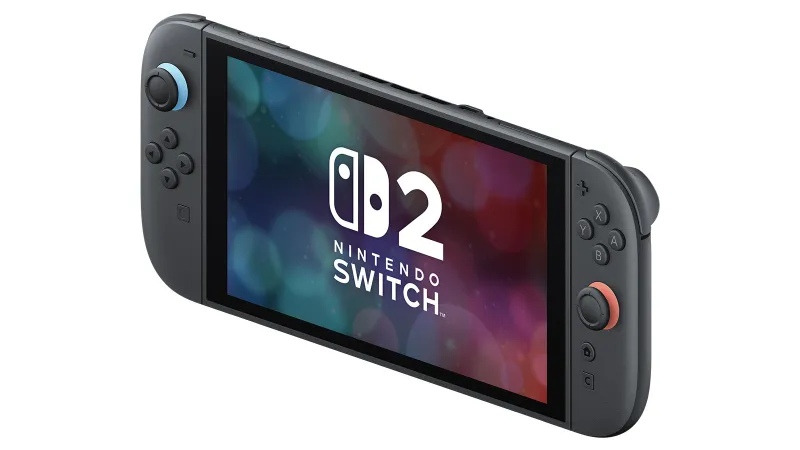
The Nintendo Switch 2 Hardware Reality Check
Nearly a year post-launch, the industry is still stress-testing the Nintendo Switch 2. While AAA ports like Cyberpunk 2077 have proven the hardware’s viability, others like Skyrim faced performance hurdles, and Borderlands 4 saw its port scrapped entirely. With the release of Resident Evil Requiem on the platform, developers are finally seeing true parity between handheld and high-end consoles. Data from the 2026 State of the Game Industry survey underscores the stakes: 39% of developers express interest in the platform, and 18% have already utilized it for their latest projects.

The GTA 6 Effect: Planning Around a Behemoth
With Grand Theft Auto 6 officially slated for November 19, 2026, the industry is bracing for impact. Analysts project a staggering $3.2 billion revenue for the title’s debut year, forcing rival publishers to carefully navigate their own release windows. Beyond the scheduling logistics, the conversation at GDC will focus on Rockstar’s design legacy. As a studio that redefined open-world standards with Red Dead Redemption 2, Rockstar’s latest move is expected to dictate development trends for years to come.

The AI Paradox: Innovation vs. Ethics
Artificial Intelligence remains the most polarizing topic in game development. While studios like Sandfall Interactive have successfully integrated generative tools into titles like Clair Obscur: Expedition 33, others have faced significant backlash—as seen with Larian Studios’ pivot away from AI implementation. The debate is fueled by valid ethical concerns regarding energy consumption and data center placement. With one-third of professionals actively using generative AI despite 52% of the industry viewing it as a net negative, GDC 2026 promises heated panel discussions on the technology’s long-term role.
Supply Chain Woes and the Push for Optimization
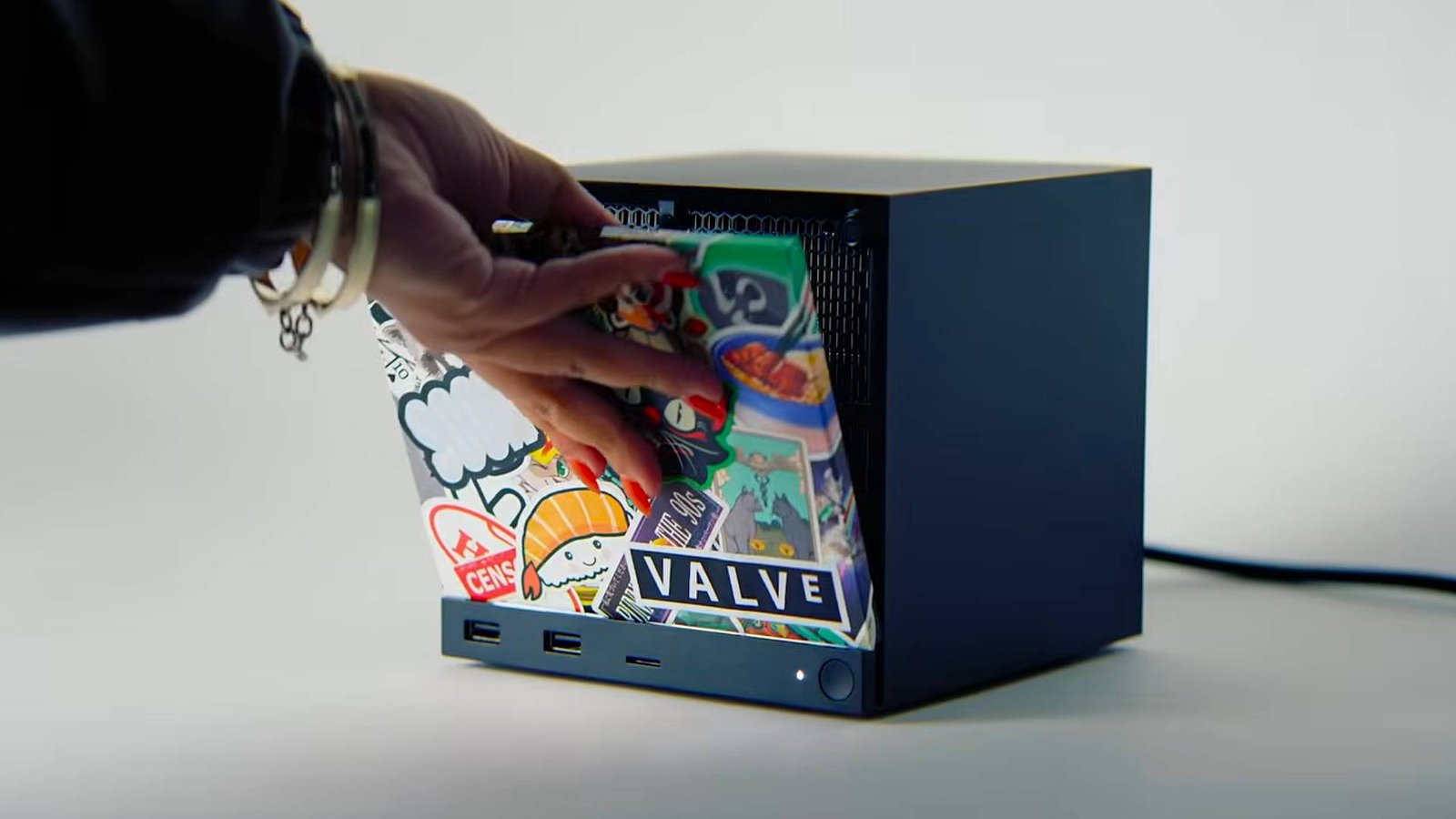
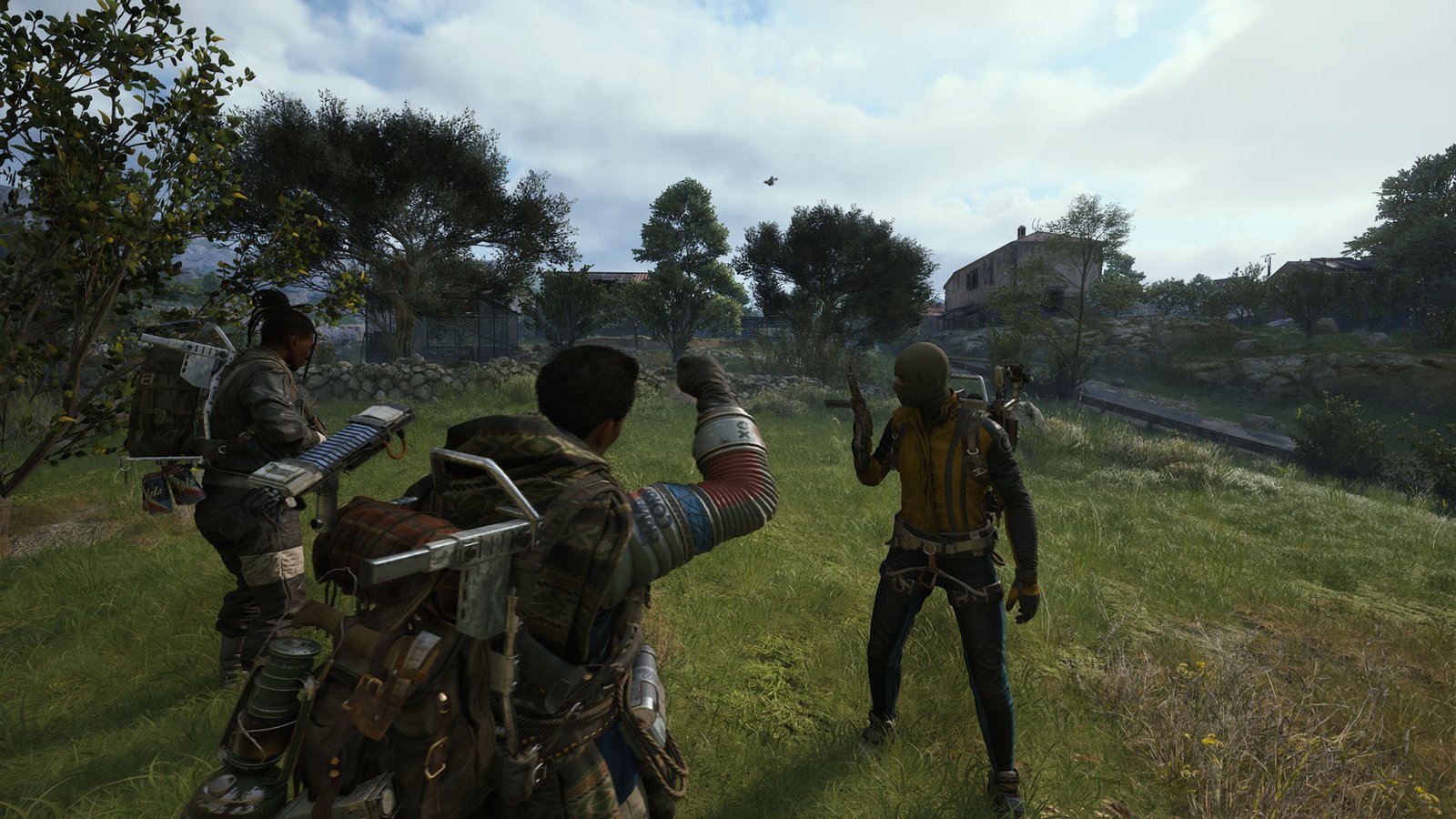
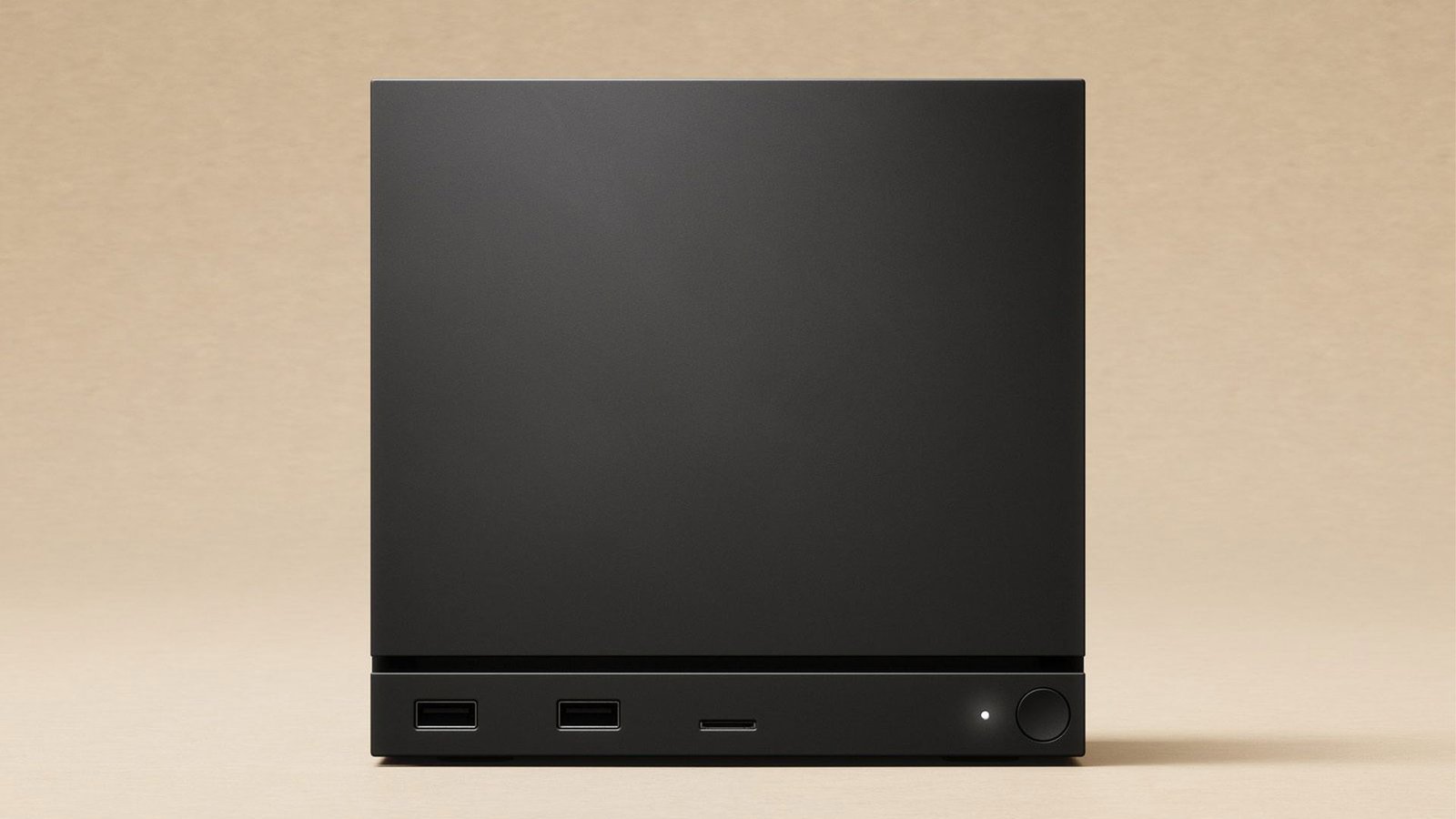
The AI boom has triggered a ripple effect across the hardware market, leading to RAM price hikes and HDD shortages. This has forced studios to prioritize extreme optimization to ensure their games remain accessible. Larian Studios has already shifted focus toward efficiency, and reports suggest even the upcoming PS6 development may be impacted by these shortages. Valve’s decision to delay the Steam Machine and Steam Frame highlights just how critical hardware constraints have become for the current ecosystem.
The Resurgence of the PC Market
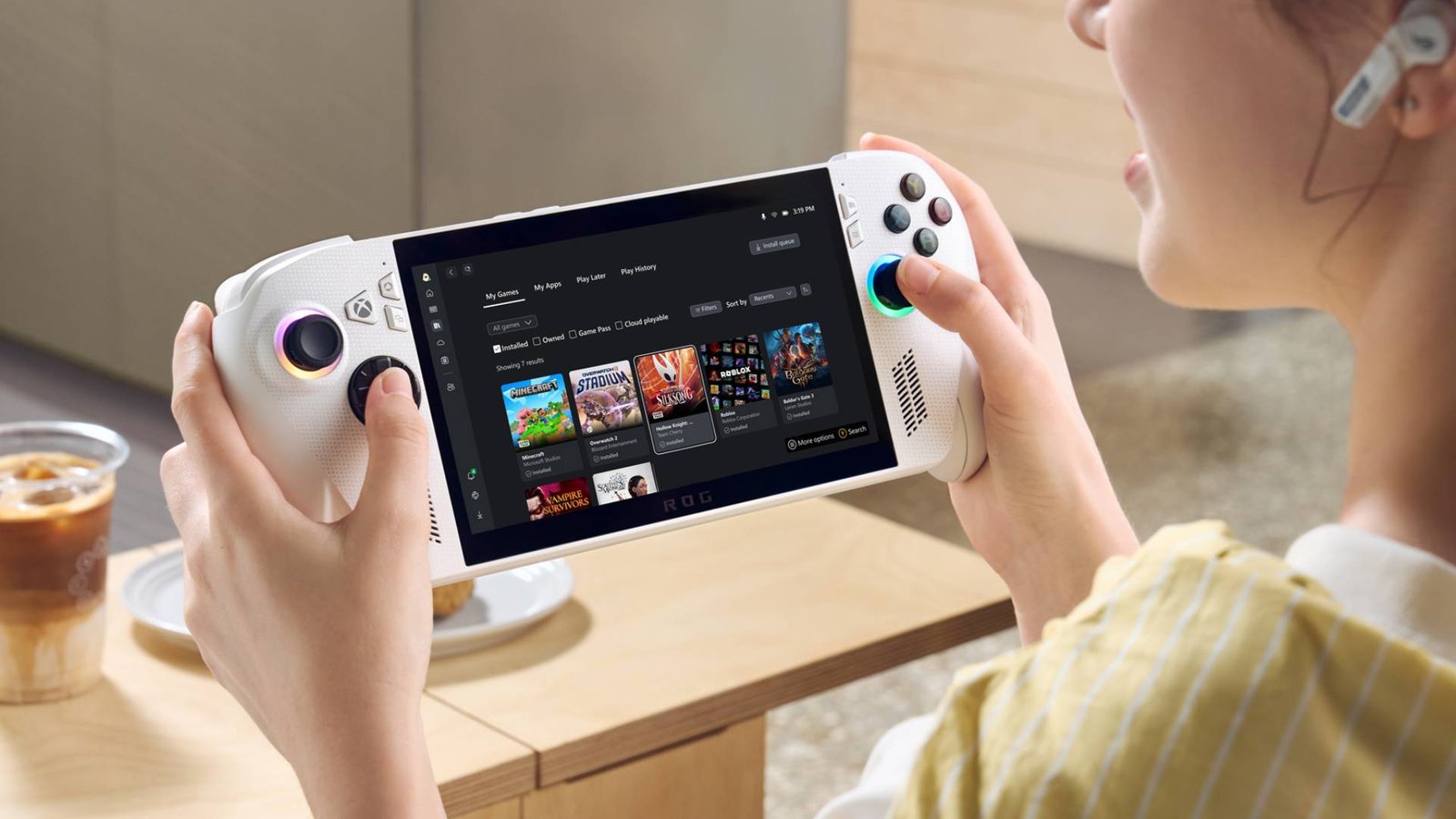
Despite rising component costs, the PC market continues to expand, particularly in Asia. The success of the Steam Deck and the recent release of the ROG Xbox Ally X have solidified the handheld PC sector as a major growth engine. Looking ahead, Valve’s 2026 Steam Machine promises fewer verification constraints compared to the Steam Deck, signaling a more open future for the platform. As GDC follows shortly after Steam Next Fest, expect the focus to remain heavily on discoverability and the next wave of breakout indie hits.