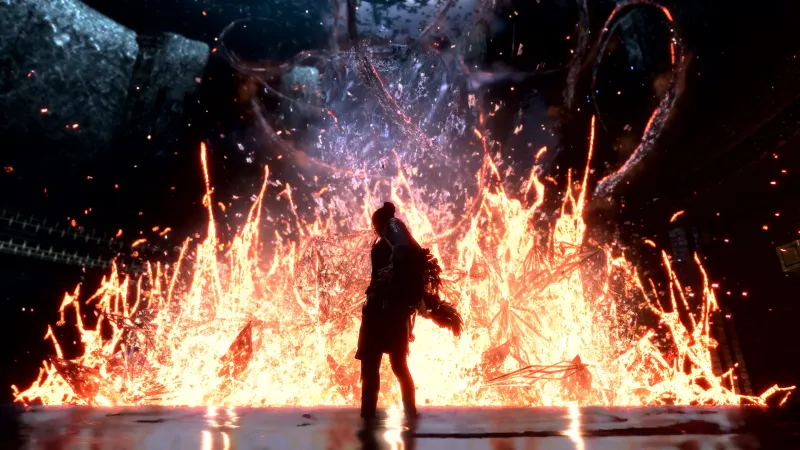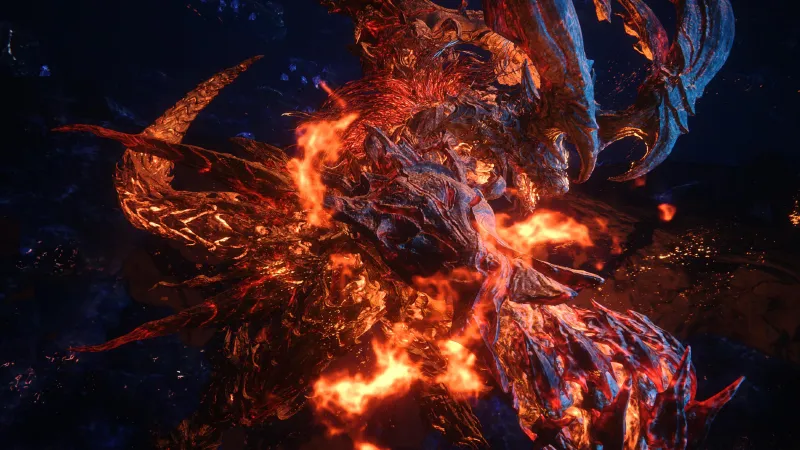

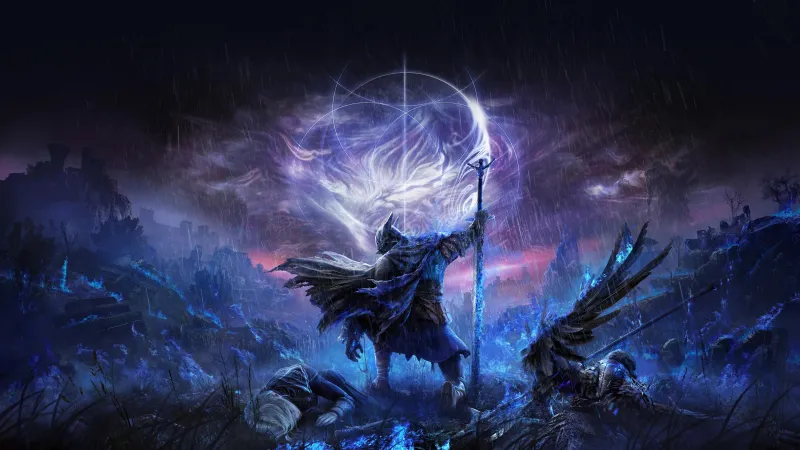
Elden Ring Nightreign transforms the sprawling open-world masterpiece into a high-stakes, 45-minute roguelite, delivering a condensed, adrenaline-fueled experience that proves surprisingly addictive despite significant technical hurdles.
A New Way to Experience The Lands Between
Initially, the concept of a run-based roguelite set in the world of Elden Ring, complete with a closing battle royale-style circle, felt like a potential disservice to the source material. However, after the first 12 hours, the game’s unique rhythm clicks. Players are dropped into Limveld—a parallel timeline of the game’s starting area—where the objective is to survive three days, level up, and defeat major bosses to reach the Nightlord. While the narrative is minimal, it serves as a functional foundation for the core gameplay loop.
Mastery, Efficiency, and the Art of the Run
Success in Nightreign requires a complete shift in mindset. Unlike the methodical exploration of the base game, Nightreign is a lesson in extreme min-maxing. Every second is precious; indecisiveness or aimless wandering leads to failure. Players must coordinate with their trio, scouting locations and planning routes in real-time. Whether playing as the nimble archer Ironeye or the defensive, tanky Guardian, mastering the eight distinct Nightfarers and their unique “Remembrance” questlines is essential for long-term progression and unlocking powerful, run-altering Relics.
The Multiplayer and Matchmaking Problem
Despite its brilliance, the experience is severely hampered by archaic and unreliable matchmaking. Designed explicitly for three-player co-op, the game becomes a frustrating coin toss when attempting to connect with others. Whether using password or random matchmaking, the systems frequently fail, and the lack of clarity regarding these errors is a glaring issue. Furthermore, while solo play is technically an option, the scaling is tuned so aggressively that it remains a challenge reserved only for the most dedicated masochists.
Randomness Versus Strategic Depth
The roguelite structure introduces another layer of friction: map RNG. Because specific expeditions often require particular gear—such as holy weapons to counter specific Nightlords—a “bad seed” can make a run feel doomed from the start. Frustrations arise when the game denies necessary resources or forces players to bypass valuable content due to the encroaching storm. While some failures are the result of player error, too many feel dictated by uncontrollable random elements, leaving little room for tactical adaptation once a run begins.
The “Just One More Run” Factor
Despite these technical and design frustrations, the core loop is undeniably compelling. Nightreign captures the visceral thrill and dopamine rush of a classic From Software session and packages it into a bite-sized format. When the systems align—when the matchmaking holds, the map provides a fair challenge, and the team works in perfect harmony—the experience is nothing short of glorious. It is a demanding, high-pressure test of skill that rewards knowledge and coordination, proving that even in a condensed 45-minute format, the spirit of Elden Ring remains intact.