
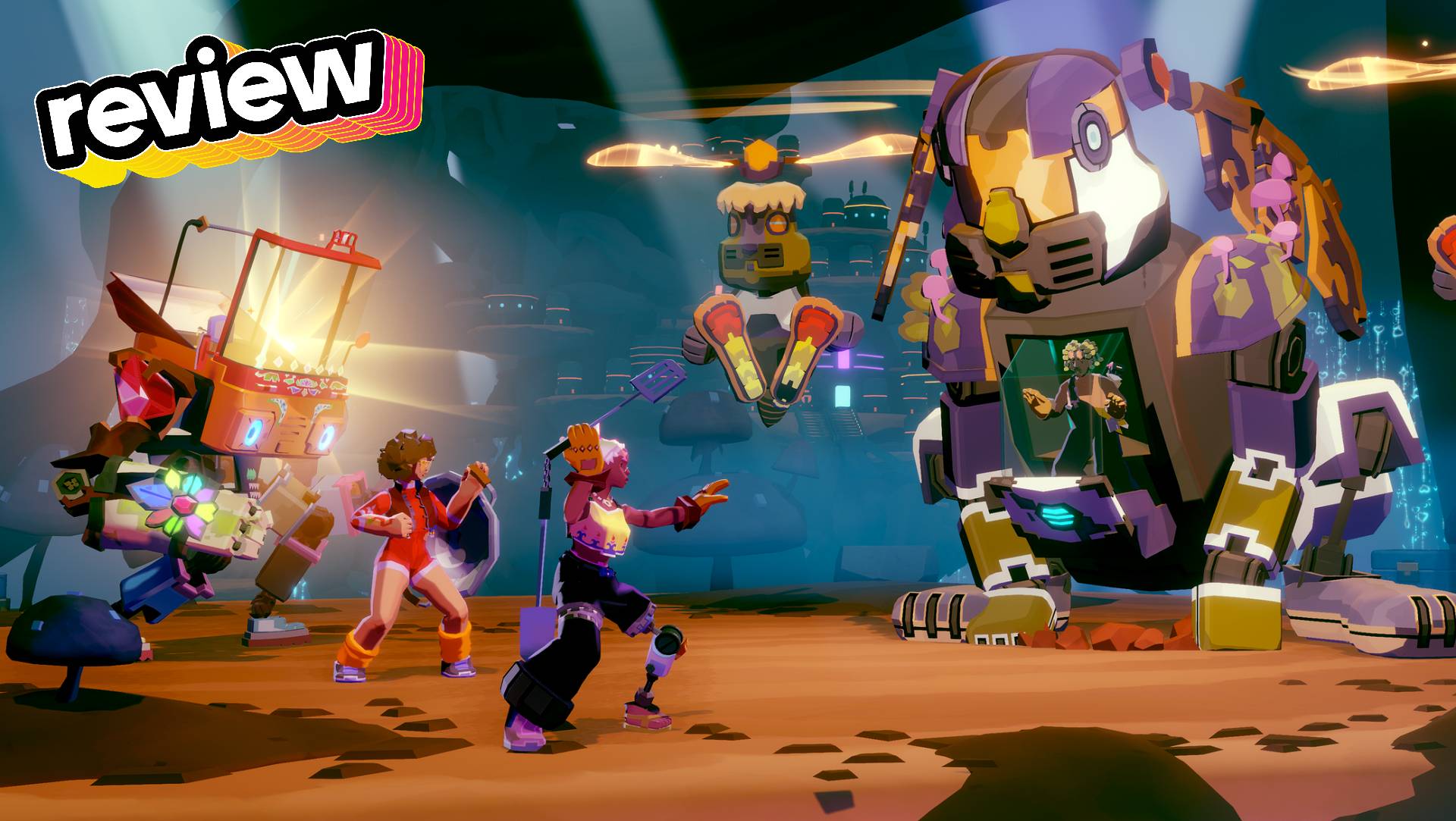
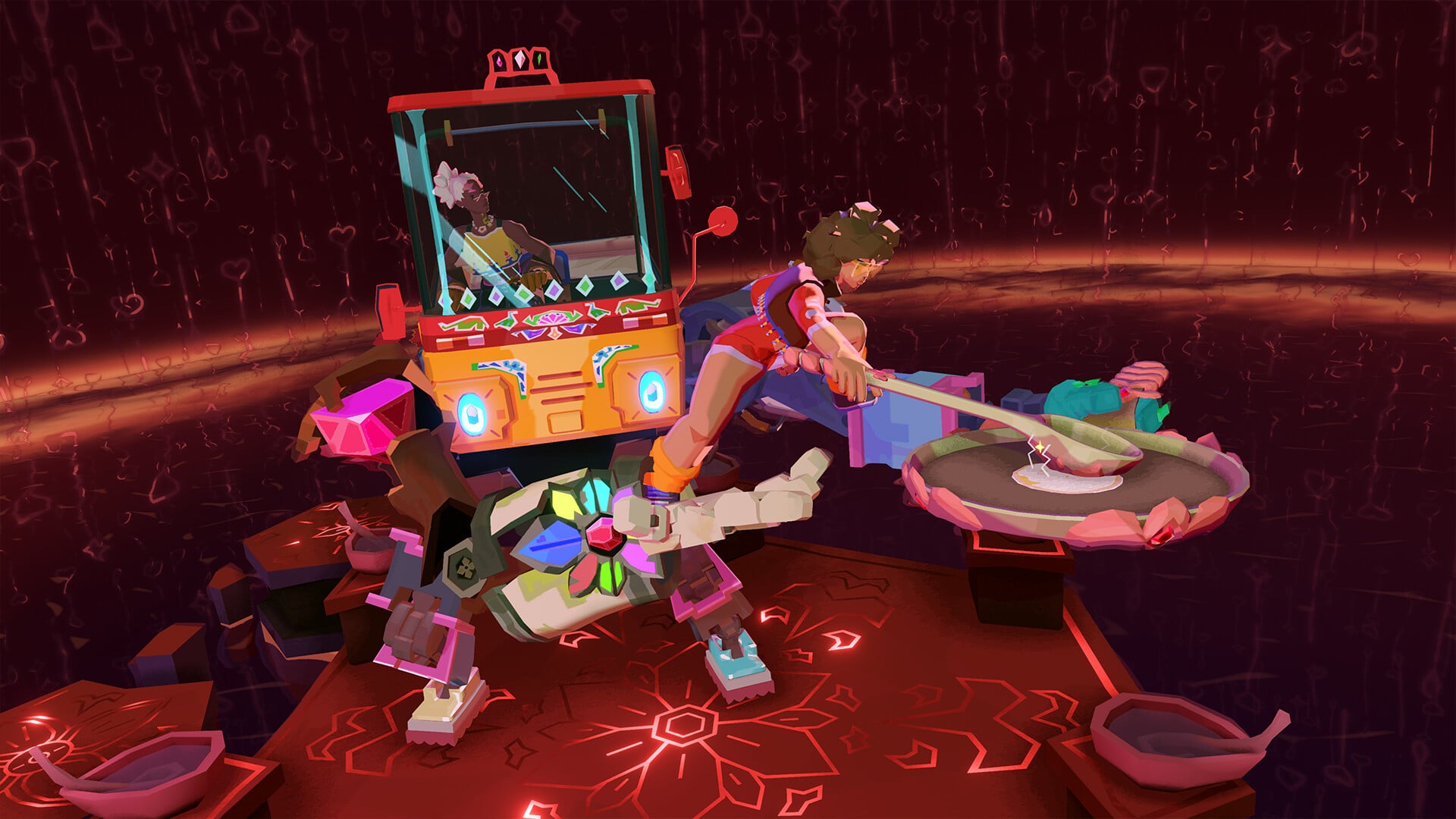
Outerloop Games’ latest RPG, Dosa Divas, follows sisters Amani and Samara on a road trip with their mech, “Goddess,” as they attempt to reconnect with their past through the communal act of cooking. While the developer—known for Thirsty Suitors—attempts to craft an emotional narrative about how food serves as a language of love and reconciliation, the game frequently struggles to balance these heartfelt themes with a repetitive and disconnected gameplay loop.
A Recipe for Connection
At its core, Dosa Divas is a character study of Amani, a former restaurant chef who views cooking as her primary method of communication. The game touches on the universal truth that cooking for others is an act of vulnerability and care. This mirrors the real-life struggle of trying to maintain bonds with loved ones through shared traditions. However, while the game’s 10-hour runtime provides moments of genuine emotional clarity, these instances are often frustratingly scarce, frequently buried under a mountain of mundane mechanics that fail to capture the warmth the story claims to prioritize.
Combat That Delivers
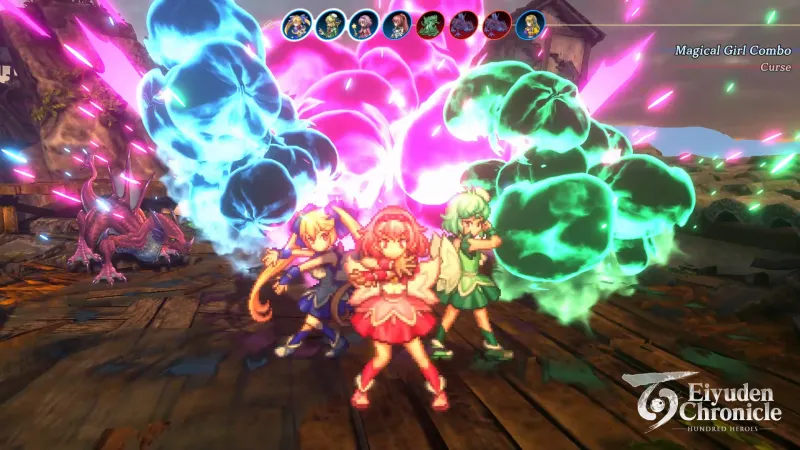
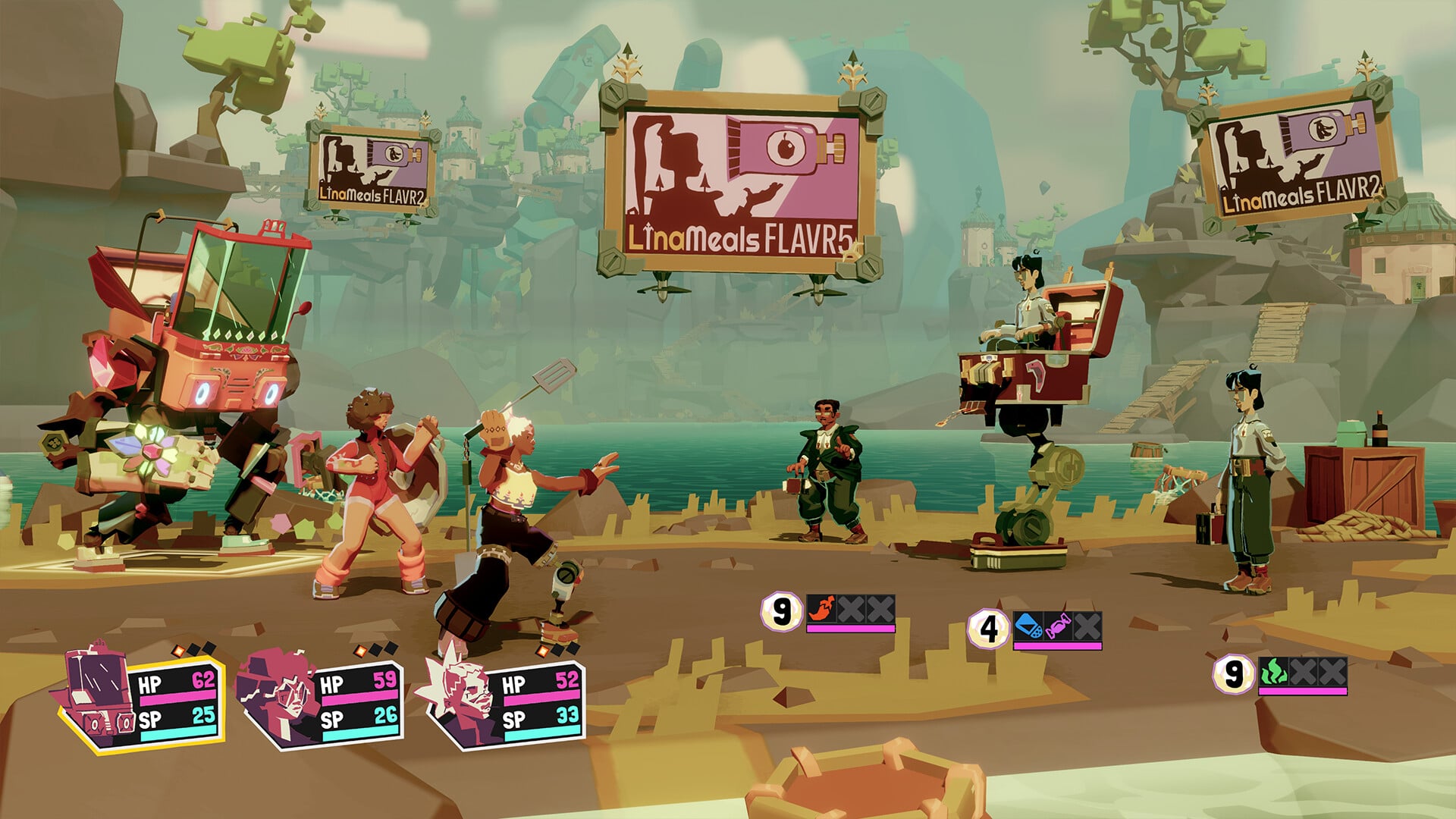
Where Dosa Divas truly shines is in its turn-based combat system. Drawing clear inspiration from Octopath Traveler and Super Mario RPG, the game utilizes a satisfying “stuff” mechanic. Players must identify elemental weaknesses—ranging from sour and spicy to savory and salty—to break enemy defenses and unleash powerful combos. The mental gymnastics required to manage resources and time button prompts during combat provide a level of strategic depth that is arguably the most engaging aspect of the entire experience.
The Stagnation of the Cooking Loop
Unfortunately, the game’s central pillar—the actual act of cooking—feels mechanical and hollow. Set in a world where corporate-produced “LinaMeals” have replaced traditional food, the sisters’ attempt to bring cooking back to the village of Meyndish is framed as an act of rebellion. Yet, the gameplay fails to support this narrative weight. Ingredient gathering is a chore of running through hubs, and the cooking process itself is relegated to rote minigames. Even the social interactions feel detached: you don’t talk to villagers to bond; you drive by them in your mech and honk to deliver meals from a distance.
Narrative Ambition vs. Execution
Outerloop Games excels at writing complex family dynamics, and Dosa Divas is no exception. The strained relationship between the sisters, their history with their corporate-aligned sibling Lina, and the mystery behind the “Divas” (the mechs) provide a strong foundation. However, the game tries to juggle too many plot threads simultaneously. Because it refuses to let these moments breathe, the narrative often feels rushed, with emotional beats being undercut by quick jokes or sudden shifts in focus.
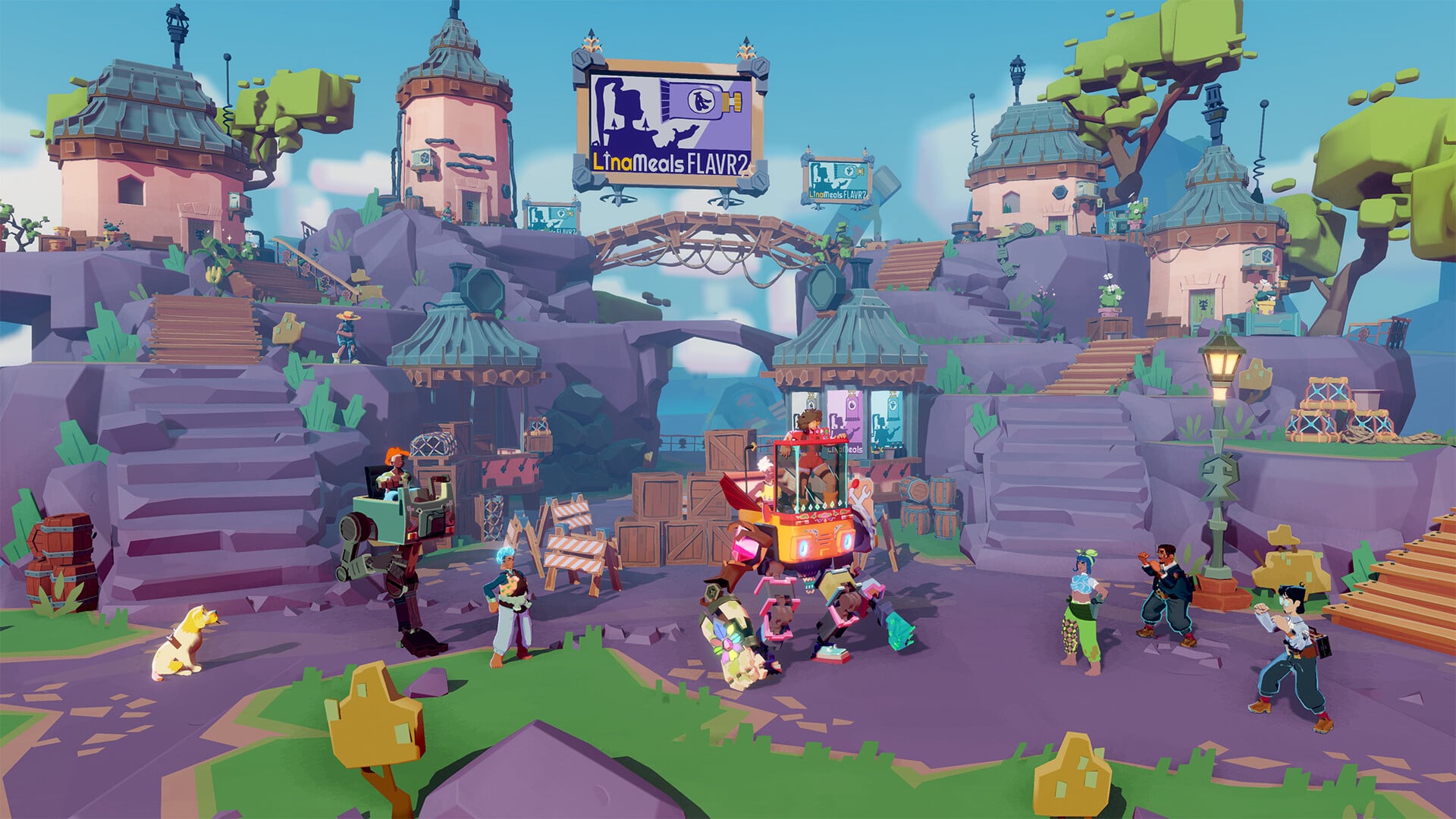
Dosa Divas is a visual treat with a sharp, artistic identity, but it suffers from an identity crisis of its own. It is a game that wants to be a profound statement on community and healing, yet it packages those themes in a repetitive loop that keeps the player at arm’s length. It is an ambitious project that, despite its beautiful presentation, ultimately loses its essence in the mix of too many competing ideas.