
Id Software has officially launched Doom: The Dark Ages, a high-octane prequel set before the events of Doom (2016) and Doom Eternal. In this techno-medieval reimagining, the Doom Slayer faces off against demon princes and ancient gods, delivering a visceral combat experience that successfully balances tradition with bold new gameplay mechanics.
The Core Pillars of Doom Remain Intact
Despite the series’ evolution, The Dark Ages respects the fundamental checklist that defines the franchise: hordes of demons, intricate levels, iconic weaponry, and a journey into the heart of Hell. While the game shifts into a fantasy-inspired aesthetic, the core loop of aggressive, fast-paced slaughter is stronger than ever. The Doomguy is more tactile in this entry, utilizing a new suite of melee moves that make every encounter feel personal and devastating.
A Narrative That Struggles to Keep Pace
The game attempts to flesh out the lore of the Doom Slayer’s war against the forces of Hell, but the narrative often feels like an unnecessary complication. While there are standout moments—such as the Slayer’s silent, stoic reactions to underworld threats—much of the plot revolves around collecting “macguffins” and artifacts. It is a noticeable departure from the simple, effective storytelling of earlier titles, often slowing down the momentum that the gameplay works so hard to build.
Combat Evolved: The Shield and Melee Loop
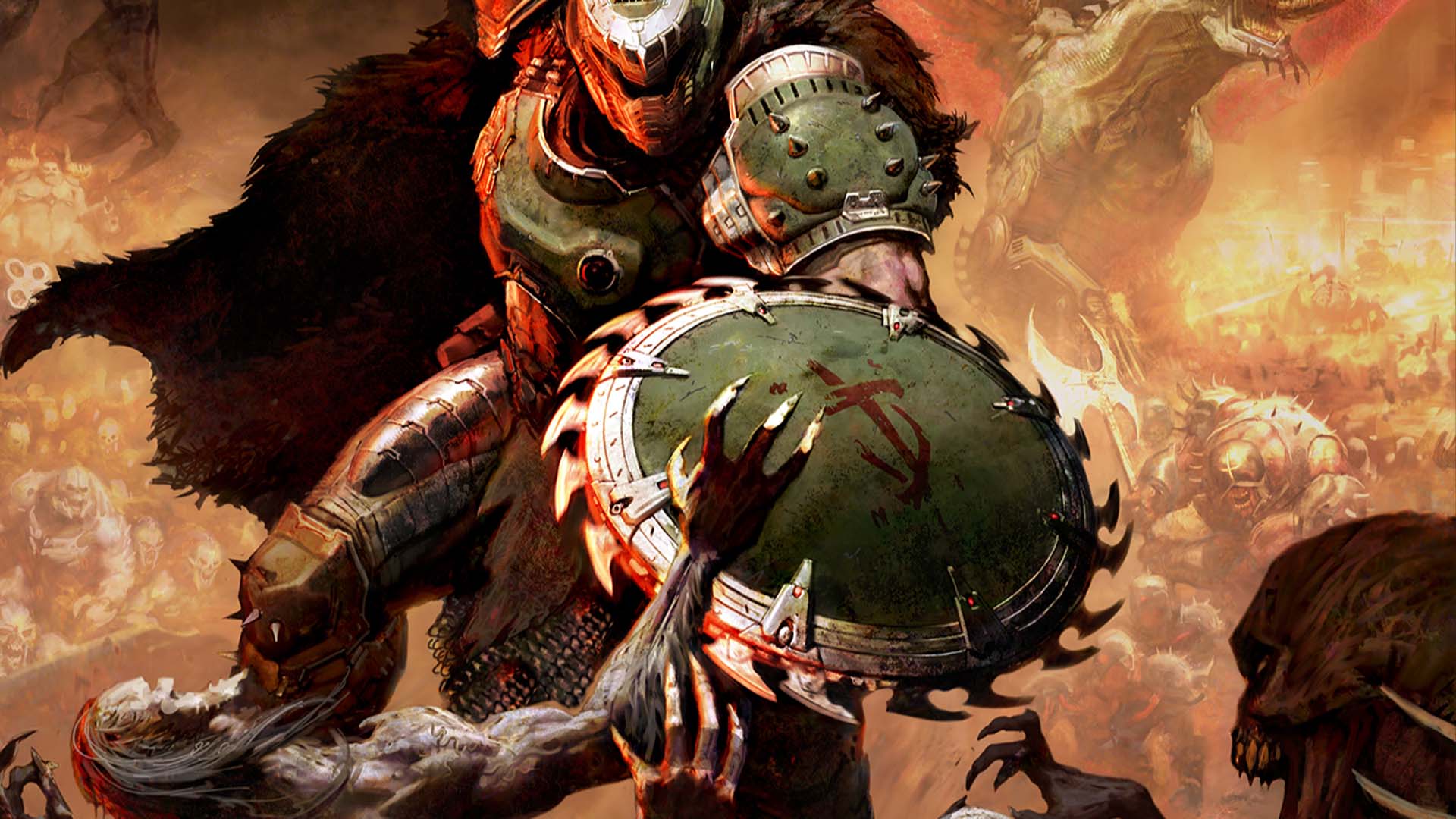
The standout addition to the arsenal is the Doomguy’s shield. Far from a passive tool, the shield acts as a dynamic weapon that can parry attacks, block projectiles, and be hurled at enemies like a saw-bladed projectile. This introduces a “bloody ballet” of combat: players can stun demons, close the distance, and execute melee finishers to replenish health, armor, and ammo. This encourages a hyper-aggressive playstyle that feels rewarding and fluid across the game’s 22 levels.
Arsenal and Level Design
The weapon variety is spectacular, ranging from a nail-firing cannon to a skull-shredding machine gun. The Super Shotgun returns in its most powerful form yet, capable of dismantling mini-bosses in mere seconds. Level design has also seen a shift; while not open-world, the environments are massive and packed with secrets. These areas provide ample opportunities to test out your upgraded arsenal without forcing players into mundane side quests.
Mech Battles and Dragon Flight
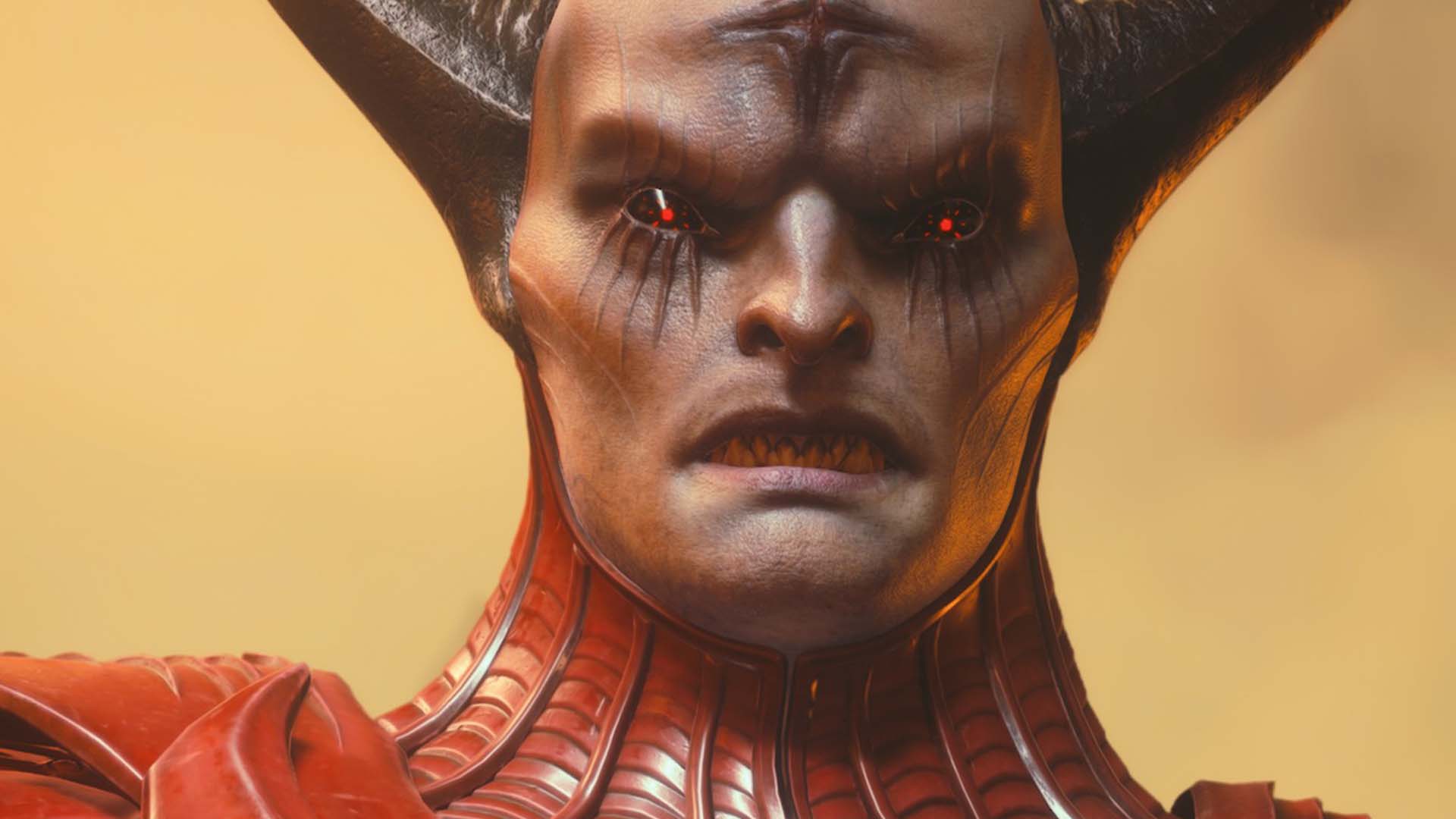
Id Software took a risk by incorporating vehicle segments, including cybernetic dragon riding and piloting a massive, kaiju-killing mech. Surprisingly, these sequences are highlights of the campaign. The controls are intuitive, and the sheer power fantasy of uppercutting a skyscraper-sized demon lord is a testament to the studio’s ability to innovate without losing the “Doom” feel. These segments are brief enough to keep the experience fresh without overstaying their welcome.
A Pacing Problem at the Finish Line
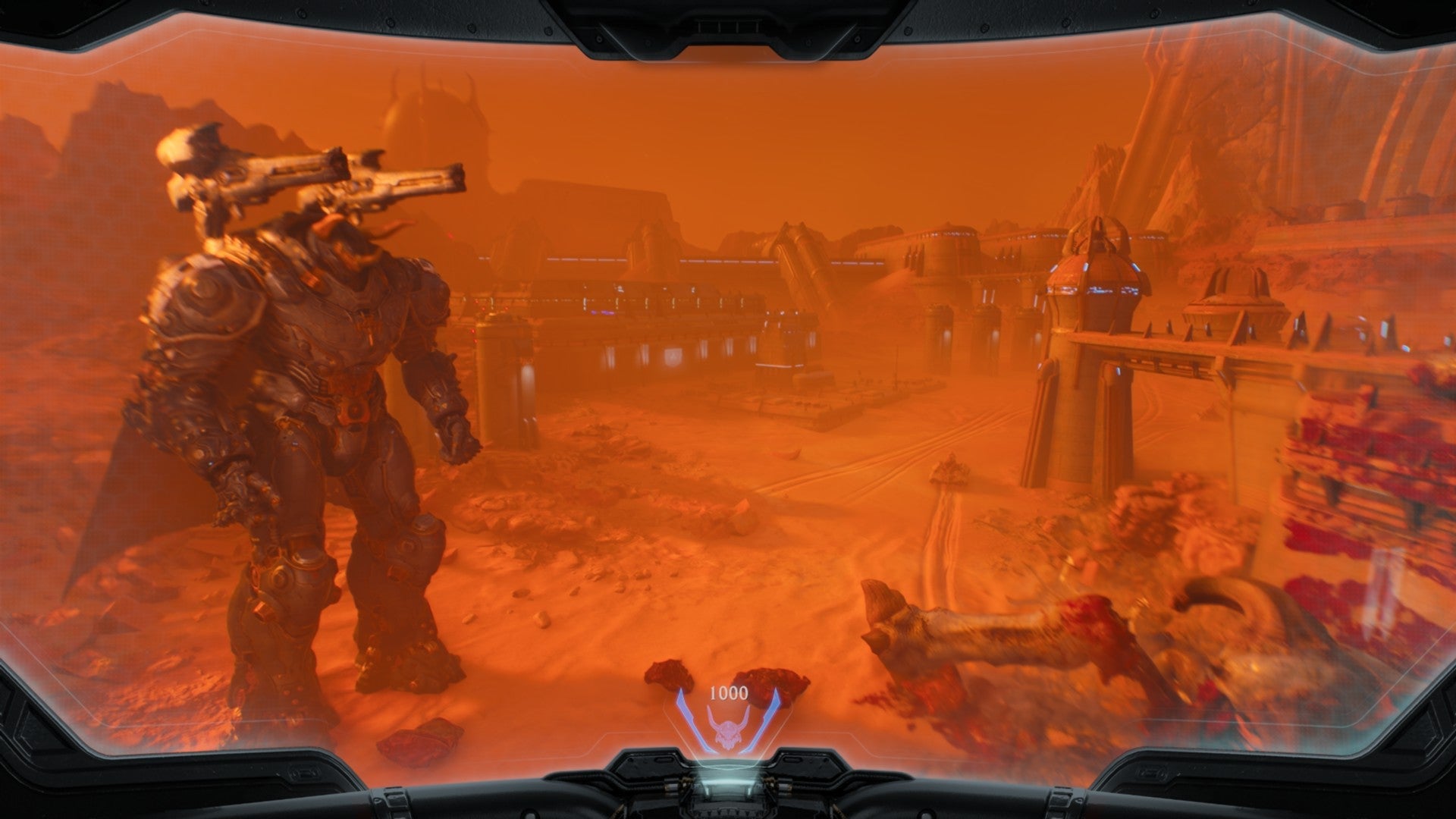
The game’s only significant flaw is its ending. After an exhilarating, high-tension boss finale, the game continues with an additional massive level and two more boss fights. This “double finale” feels disjointed and undermines the emotional impact of the true climax. While the gameplay remains top-tier throughout these final sequences, the pacing suffers from the decision to extend the experience beyond its natural conclusion.
Ultimately, Doom: The Dark Ages is a triumph. It successfully remixes the classic formula, offering a fresh perspective while maintaining the brutal, hyper-aggressive combat that fans demand. Despite a bloated narrative and a drawn-out ending, it stands as a brilliant entry in the legendary shooter franchise.