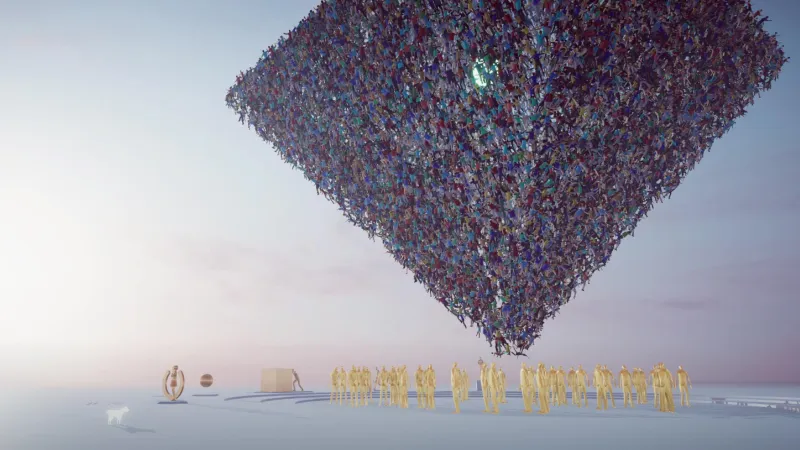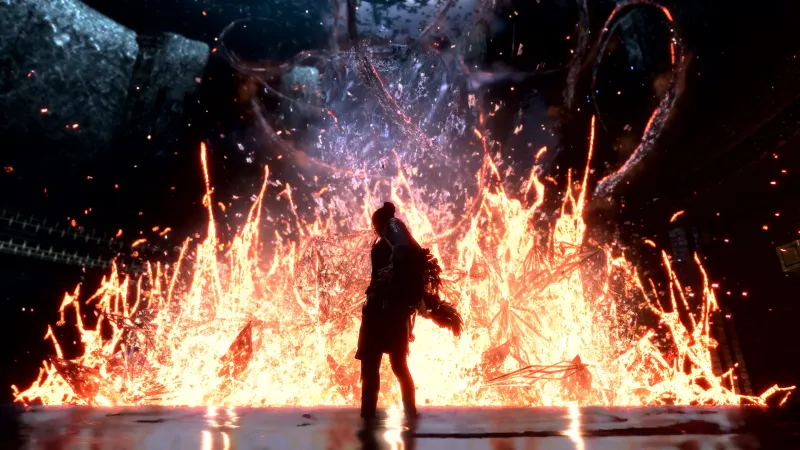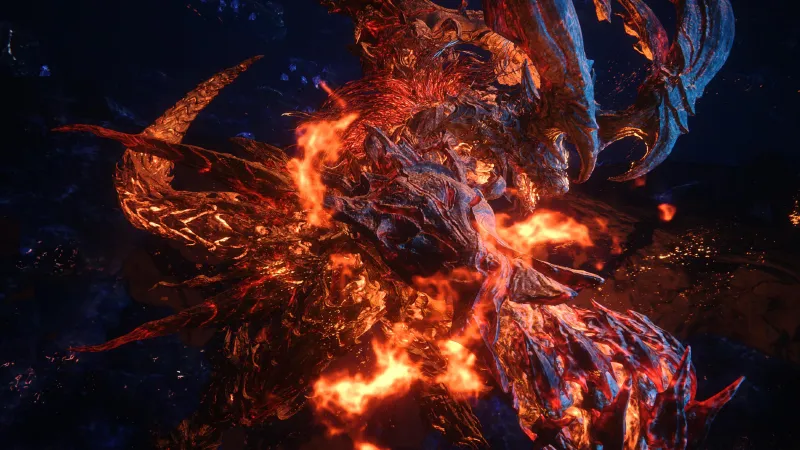

Kojima Productions returns with Death Stranding 2: On The Beach, a sequel that refines its iconic delivery mechanics while delivering a narrative that oscillates between profound sincerity and uneven execution. Expanding upon the foundation of its predecessor, the game takes players across Australia and Mexico, offering improved tools and traversal options that make the core gameplay loop more engaging, even if the storytelling occasionally misses the mark.
Refined Mechanics and Expanded Traversal
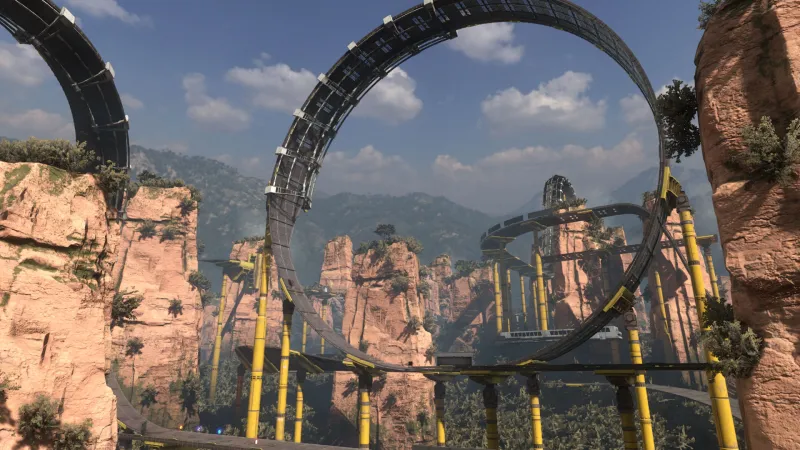
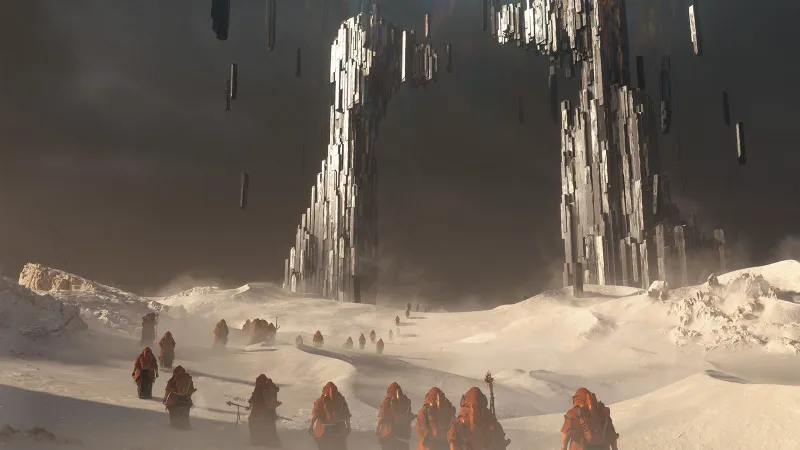
Mechanically, Death Stranding 2 is a clear evolution. While the fundamental loop of uniting the world through deliveries remains, the sequel introduces a suite of new tools—including functional monorails—that add variety to the experience. The game’s map design in Australia is notably superior to the original, offering more varied environments and terrain that favor vehicle usage, reducing the reliance on walking for every mission.
A Narrative of Highs and Lows
The story picks up shortly after the original, with Sam Porter Bridges attempting to live in isolation as a father before being pulled back into the fold. While the narrative is packed with the signature twists expected from a Hideo Kojima production, it often struggles with pacing. Some character monologues feel uninspired, resembling repetitive lectures rather than organic dialogue. Furthermore, the return of Higgs as a primary antagonist feels like a missed opportunity to introduce more compelling threats.
Embracing the “Kojima Weirdness”
Longtime fans of Kojima’s work are familiar with his penchant for the bizarre. While the game often justifies its narrative insanity, there are moments where the absurdity feels forced, as if checking a quota for “weirdness.” Despite these instances, the story remains deeply thought-provoking. It is a narrative that lingers, inviting debate and analysis long after the credits roll, proving that even its flaws are part of a larger, ambitious vision.
The Reality of the Porter Life
Despite improvements, the game is not without frustration. The core design of fetch quests can feel exhausting, and being stranded without battery power or interrupted by sudden boss encounters can disrupt the player’s momentum. However, these annoyances are less frequent than in the first title, and the significantly improved gunplay makes combat encounters feel more rewarding and less of a chore.
Boundless Sincerity
Ultimately, Death Stranding 2 succeeds because it takes massive, expensive risks to define its own genre. From the intricate UI design to the stunning, bizarre world-building, the game is a testament to creative ambition. Its greatest strength lies in its boundless sincerity; the characters’ desperate struggle for connection is genuinely moving, ensuring that players will continue making deliveries long after the main journey concludes.