

Six years after the last mainline entry, Borderlands 4 arrives on the planet Kairos to redefine the franchise, delivering the tightest gunplay in Gearbox’s history while simultaneously struggling with technical instability and a narrative that loses its footing in the final act.
A Fresh Start on Kairos
Borderlands 4 feels like a soft reboot. While the history of the previous titles remains canon, the game shifts focus to the planet of Kairos, introducing a new cast of villains and allies. Unlike the galaxy-hopping scope of Borderlands 3, this sequel offers a more contained, focused narrative centered on the dynamics of power and resistance against a fascist regime.
The story effectively explores the cost of freedom and the morality of rebellion, making the primary antagonist, the Timekeeper, a genuinely hateable figure. However, the narrative impact falters significantly toward the end of the campaign, as a late-game twist undermines the complexity built throughout the journey. For those invested in the lore, playing solo is highly recommended; the nuances of the story are easily lost when shouting over loot drops with friends.
Refined Combat and Movement
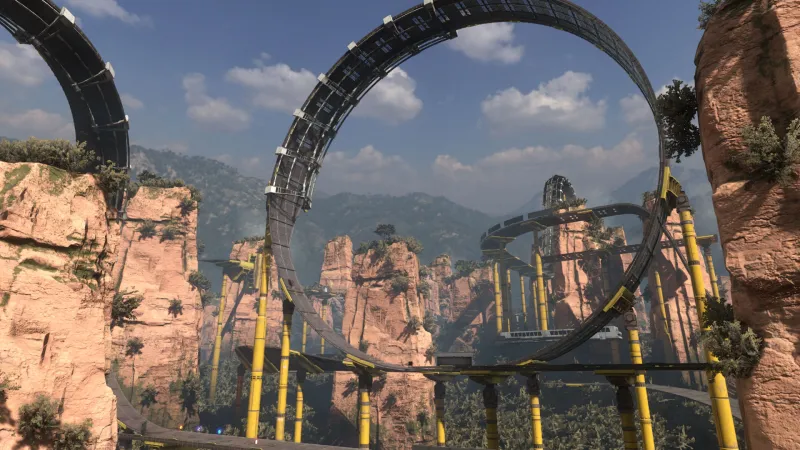
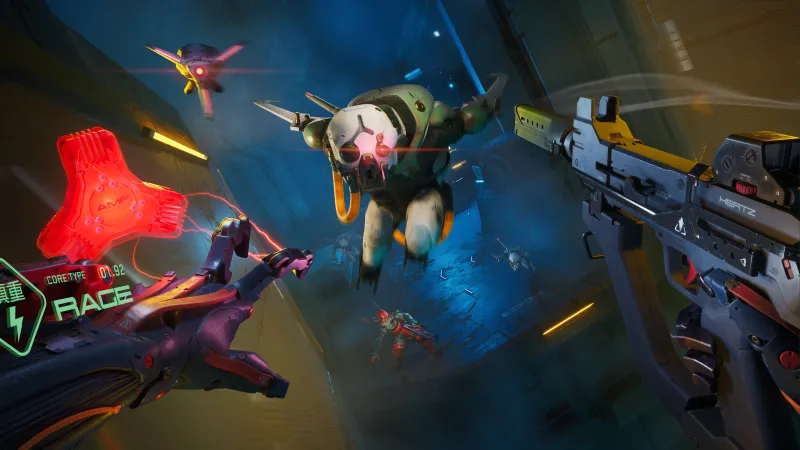
Gearbox has finally perfected the feel of the franchise. Combat is now fluid and punchy, elevated by new movement mechanics including double jumps, gliding, grappling, and wall climbing. These additions transform the open world of Kairos into a vertical playground, placing Borderlands 4 firmly among the top-tier of modern first-person shooters.
The four new Vault Hunters further diversify the experience. Each character features three deep, branching skill trees, allowing for highly personalized builds. Whether playing as a solo operative or alongside a cyber-soldier like Rafa, the combat encounters feel distinct and highly replayable.

The Loot Loop: Addictive but Grindy
The core loop remains as addictive as ever. The sheer volume of loot, combined with improved inventory management, makes clearing out “trash” gear faster than in previous entries. While the game occasionally suffers from pacing issues by throwing endless waves of enemies at the player, the reward—a chance at rare Legendary gear—is usually enough to keep the momentum going.
Kairos is dense with content, from radio tower defense missions to world bosses and hidden secrets. This open-world design encourages hours of exploration, and the ability to trade loot with friends adds a social layer that makes the grind feel significantly more rewarding.

Technical Hurdles and Performance
Despite the gameplay improvements, technical issues are a major drawback. On PlayStation 5 Pro, performance degradation often necessitates game restarts. PC players are not exempt, as the game demands high-end hardware—even an RTX 5080 requires DLSS and frame generation to maintain stability—and still suffers from micro-stutters.
Common bugs include invisible weapons, broken animations, quest triggers failing to fire, and audio drops. While these issues don’t ruin the experience, they are a persistent nuisance that hopefully will be addressed in future patches.

A New Benchmark for the Franchise
Borderlands 4 is arguably the most polished and mature entry in the series. By moving away from excessive meme-heavy writing and focusing on tighter, character-driven storytelling and refined movement, Gearbox has elevated the looter-shooter genre. While the technical bugs and the grindy endgame keep it from perfection, the core experience is a testament to the studio’s mastery of the genre.