
MercurySteam’s latest action title, Blades of Fire, delivers a frustratingly inconsistent experience that pairs stunning art direction and technical polish with tedious design choices, resulting in an unnecessarily arduous journey.
A Narrative That Stalls Out
The game follows Aran, an imposing hermit who rescues a young monk named Adso and sets out on a quest to kill a queen using one of the seven world-creating hammers. While the initial premise is compelling, the storytelling quickly loses its momentum. The plot frequently forces players into detours, introducing new supervillains just as a final confrontation seems imminent. This pacing issue makes the game feel bloated, as if the narrative is constantly pushing the player further away from the conclusion rather than building toward it.
Combat Mechanics: Innovation Meets Repetition
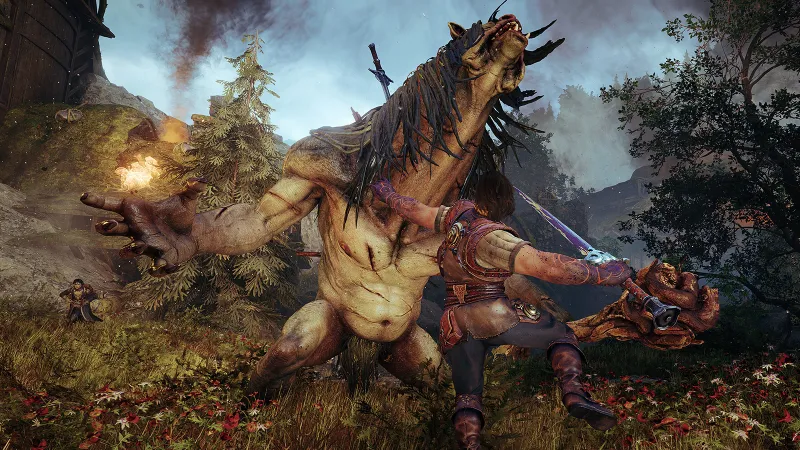
Combat in Blades of Fire attempts to break the mold by using the four face buttons to dictate the direction of Aran’s strikes. By targeting enemy weak points, players must choose the correct angle of attack. However, this system lacks depth; by the late game, the raw power of your weapon matters far more than your tactical positioning. Furthermore, because combat only serves to provide materials for crafting, and fighting actively degrades your gear, the game discourages engagement. Players are often incentivized to sprint past enemies rather than fight them, undermining the very system the developers created.
The Frustration of Exploration
Navigating the world of Blades of Fire is arguably the game’s greatest flaw. Even with a map and objective markers, finding your way through the environment feels like a chore. Players are frequently subjected to tedious escort missions—such as protecting a skeletal child or guiding a slow-witted ghost—that serve only to pad the runtime. Secrets are often hidden behind obscure environmental cues, leading to more confusion and anger than genuine satisfaction upon discovery.
A Visual Achievement That Struggles to Entertain
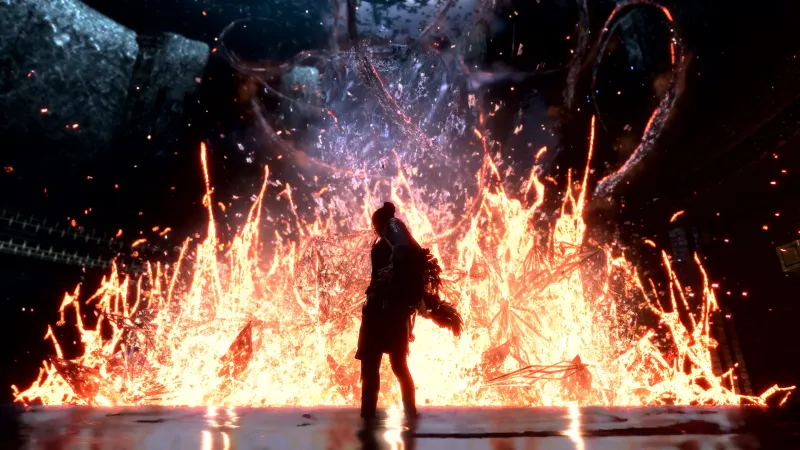
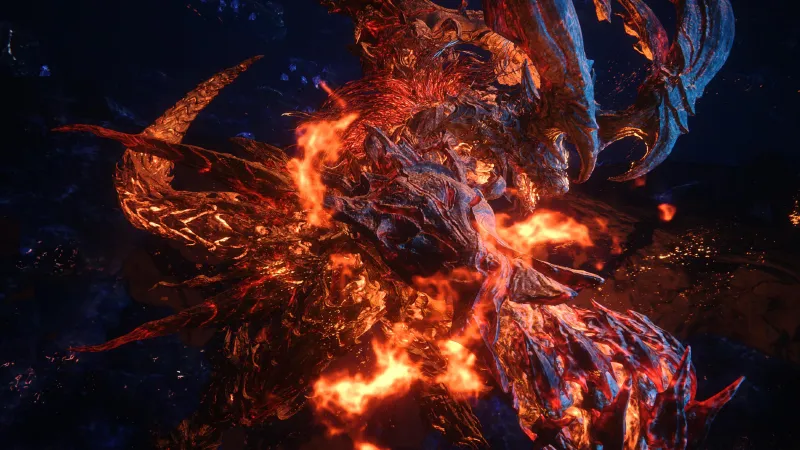
Despite these shortcomings, the game succeeds as a visual spectacle. The character designs, giant monsters, and breathtaking vistas uphold the high aesthetic standards fans expect from MercurySteam. The dynamic between Aran and Adso is a rare narrative bright spot, and the ability to dismiss Adso when he becomes a hindrance is a clever touch that mirrors their evolving relationship.
Ultimately, Blades of Fire feels like a failed attempt to carve out a unique space within the saturated Souls-like genre. While the world-building and combat concepts show flashes of brilliance, they are buried under a mountain of poor design decisions. It is a game that is genuinely enjoyable to look at, but unfortunately, it is far too exhausting to play.