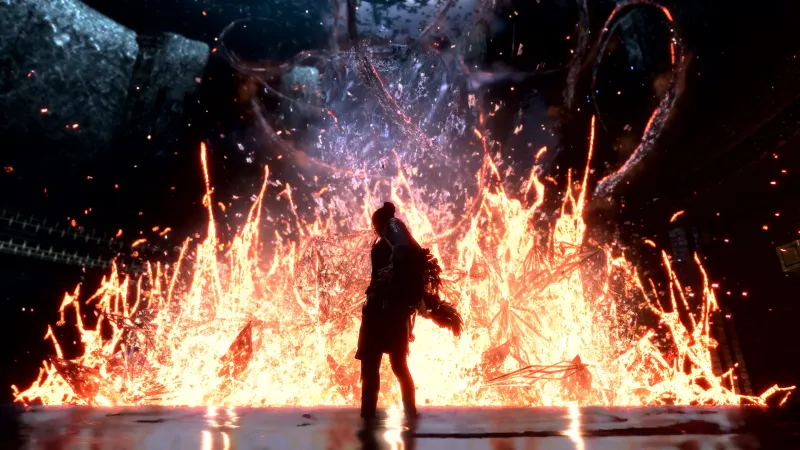

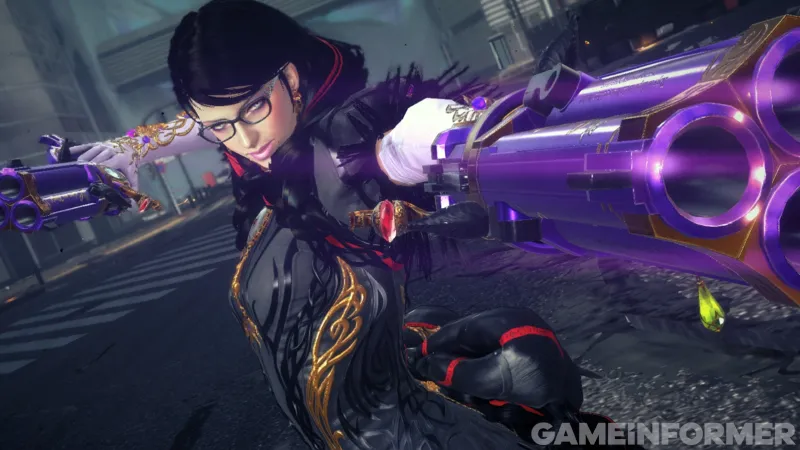
Bayonetta 3 delivers a relentless, high-octane experience that dwarfs its predecessors, pushing the series’ signature spectacle to new heights of chaotic, world-ending action. By the end of the third chapter, players are already witnessing city-leveling kaiju battles and reality-bending destruction that set the tone for a non-stop, three-hour opening that refuses to let up.
Combat at Its Peak
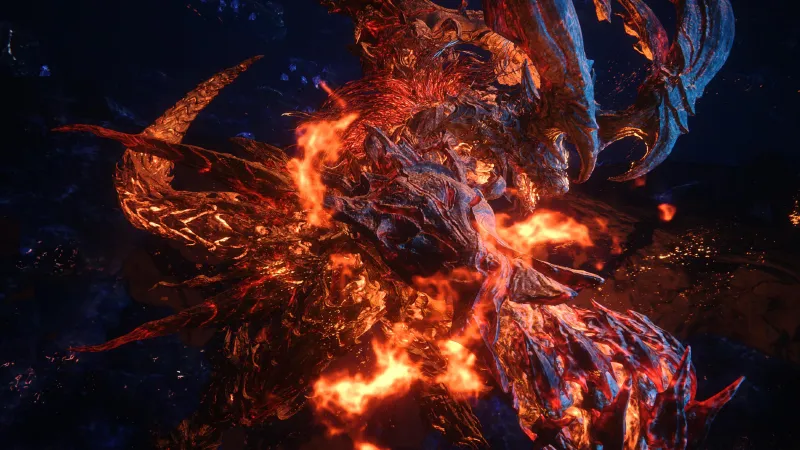
The core gameplay is louder, more aggressive, and undeniably better than ever. Bayonetta 3 refines the series’ combat loop, turning the formerly cinematic Infernal Demons into a core tactical mechanic. Through the “Demon Slave” system, players can summon these massive entities to fight alongside them, adding a heavy, satisfying weight to every combo. Whether juggling enemies with lightning-fast weaponry like the Ignis Araneae Yo-Yo or delivering a crushing blow with the Dead End Express, the combat remains consistently rewarding.
A Global Spectacle of Variety
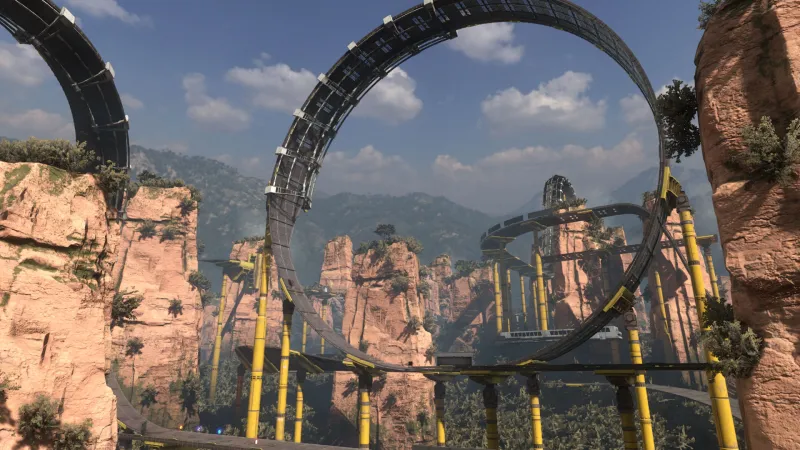
Spanning 14 chapters, the game takes players on a globetrotting journey from Japan and Egypt to the edges of space and time. Each level offers a distinct visual identity, culminating in bombastic setpieces that frequently flatten the very environments you just explored. From operatic battles to stratosphere-level confrontations, the game is a constant feast for the eyes, ensuring that even the less mechanically tight sequences remain visually captivating.
Narrative and New Faces
While the story leans into a traditional multiverse trope—with a villain seeking control over space and time—it is arguably the most coherent narrative in the franchise. It successfully introduces multiple versions of Bayonetta, providing a logical narrative framework for the game’s massive weapon variety. However, the introduction of secondary playable characters is a mixed bag.
The Viola Problem
While Jeanne’s stealth-focused side-scrolling levels offer a change of pace, the inclusion of the new character Viola feels like a stumble. Viola relies on a parry-based “Witch Time” mechanic that features an incredibly tight window, which can prove frustrating. Beyond the mechanics, Viola lacks the charisma of the titular witch; her “mall punk” aesthetic feels forced, and she fails to leave a lasting impression as a protagonist, which is concerning given her potential future in the series.
Final Verdict
Despite minor grievances regarding the side-characters, Bayonetta 3 is a triumph of extravagance. It is a game that is constantly trying to keep you glued to the screen, and it succeeds brilliantly. For those who crave fast-paced, stylish action that prioritizes “spectacle for the sake of spectacle,” this is the best the series has ever been. It is a relentless, exhausting, and utterly thrilling ride that demands multiple playthroughs to master.