
After more than 55 hours exploring the feudal Azuchi-Momoyama era in Assassin’s Creed Shadows, the experience is a tale of two halves: a lackluster, predictable narrative paired with the most refined and satisfying gameplay loop in the franchise’s history.
A Dual-Protagonist Dynamic Done Right
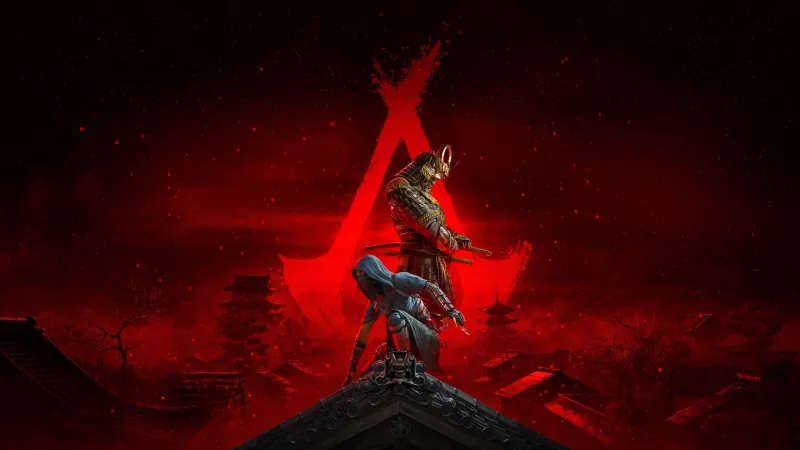
The game’s strength lies in its ability to seamlessly fuse samurai and shinobi archetypes. Whether you are controlling Yasuke, the stoic warrior-slave turned samurai, or Naoe, the vengeful shinobi, the game empowers you to approach objectives with total freedom. The “Immersive Mode” is a standout feature, utilizing variable voice acting—where characters speak their native tongues—to ground the performances. While the overarching story of revenge and the hunt for the Shinbakufu feels like a standard, by-the-numbers affair, the character interactions breathe life into a world that might otherwise feel stagnant.
Refined Combat and Stealth Mechanics
Ubisoft has successfully balanced two distinct playstyles. As Naoe, you navigate the shadows, scaling castle walls for precise, quiet assassinations. As Yasuke, you can choose to brute-force your way through gates, utilizing a combat system that is arguably the most challenging and rewarding in the series to date. The reliance on parries and tactical awareness makes every encounter feel earned. This is complemented by a progression system that demands you increase your “Knowledge Rank” through exploration, creating a satisfying loop of combat, gear acquisition, and ability customization.
A Breathtaking Feudal Japan
Visually, Shadows is a technical triumph. The game captures the temperamental climate of Japan, with changing seasons that drastically alter the environment—from the blinding sun of summer to the deep, movement-restricting snow of winter. The attention to detail, particularly with lighting and natural foliage, makes every moment of exploration feel like a feast for the senses. Even the Hideout system, which allows players to cultivate a personal Japanese garden, adds a layer of aesthetic satisfaction that rewards players for interacting with the world’s resources.
The Missing Pieces: Narrative and Sci-Fi
Despite the gameplay highs, longtime fans may find the narrative shortcomings difficult to ignore. The series’ hallmark sci-fi elements and the core Assassin-versus-Templar conflict are pushed to the fringes. The modern-day Animus segments feel disconnected and underutilized, serving mostly as a vehicle for unlocking gear rather than driving a compelling meta-plot. The story lacks the emotional stakes and narrative twists that defined earlier entries, leaving the player feeling somewhat detached when the credits finally roll.
The Verdict
Assassin’s Creed Shadows proves that while a strong story is preferred, stellar gameplay can carry an entire experience. It is a triumphant, polished, and endlessly fun sandbox that captures the essence of being both a blade in the crowd and a warrior on the battlefield. While it may not reach the narrative heights of the series’ past, it sets a new benchmark for how these two iconic archetypes should function in an open-world setting.