
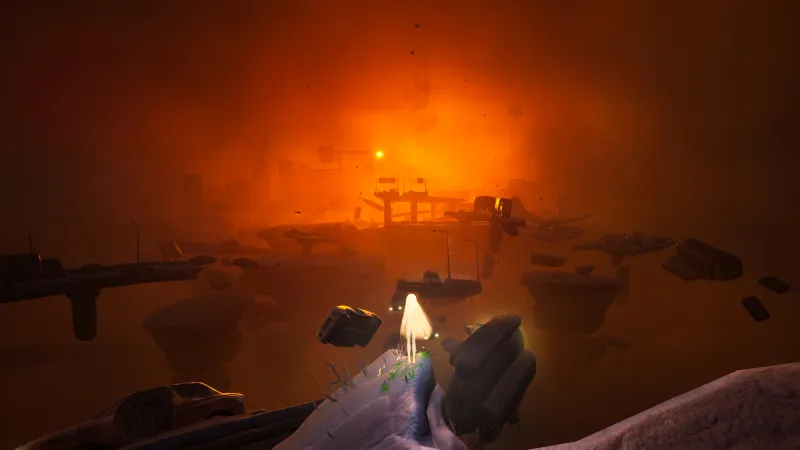
Piccolo Studio, the team behind the emotive Arise: A Simple Story, returns with After Us—a surreal, allegorical adventure that explores humanity’s destructive legacy on nature. While the game delivers a powerful, albeit heavy-handed, message about our environmental impact, the experience is a mix of breathtaking artistic vision and inconsistent, often frustrating, gameplay mechanics.
A World Shaped by Human Neglect
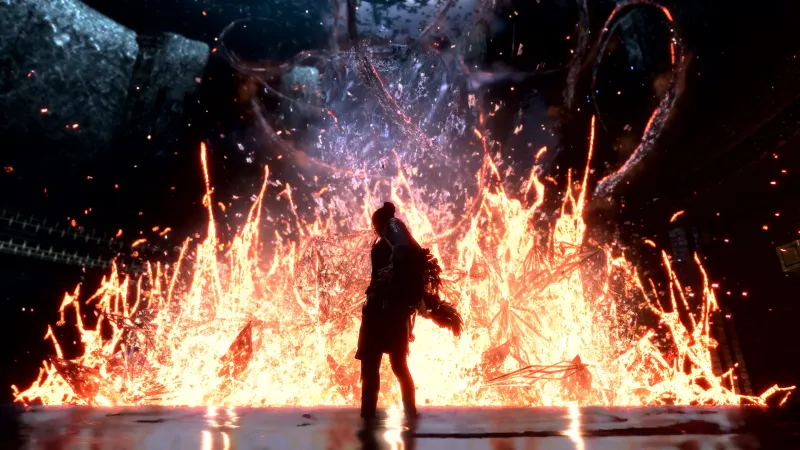
In After Us, players step into the role of a nymph-like avatar of Gaia, traversing a desolate planet long abandoned by humanity. The core mission is as poignant as it is vast: players must navigate through interconnected, symbolic stages to recover the spirits of animals driven to extinction by human arrogance. As you progress, these once-empty landscapes become populated by haunting, ghostly blue apparitions of the long-dead, creating a deeply moving atmosphere that underscores the game’s central narrative.
Visual Grandeur Meets Traversal Struggles
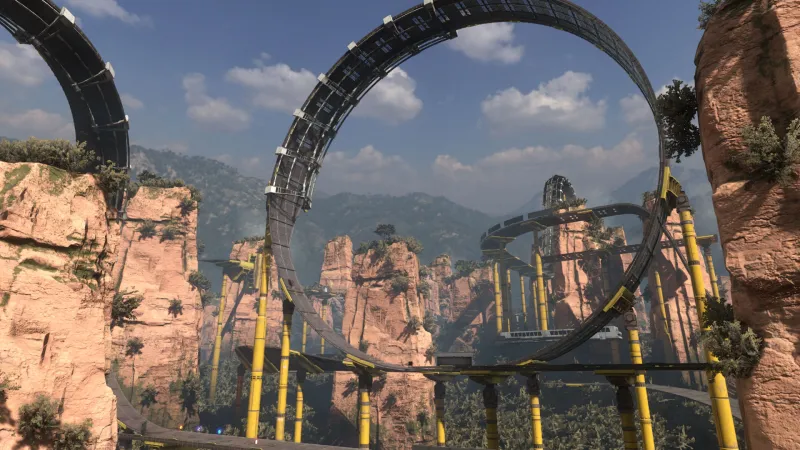
The game’s greatest strength lies in its surreal world-building. From towering monuments of consumerism to mountains of refuse and statues of humans frozen in perpetual anguish, every environment feels like a distinct, evocative piece of art. Unfortunately, the core gameplay fails to match the quality of the visual presentation. The traversal mechanics—centered on jumping and agile movement—often feel floaty and imprecise, frequently leading to frustrating respawns due to poor landing detection.
Combat and Pacing Issues
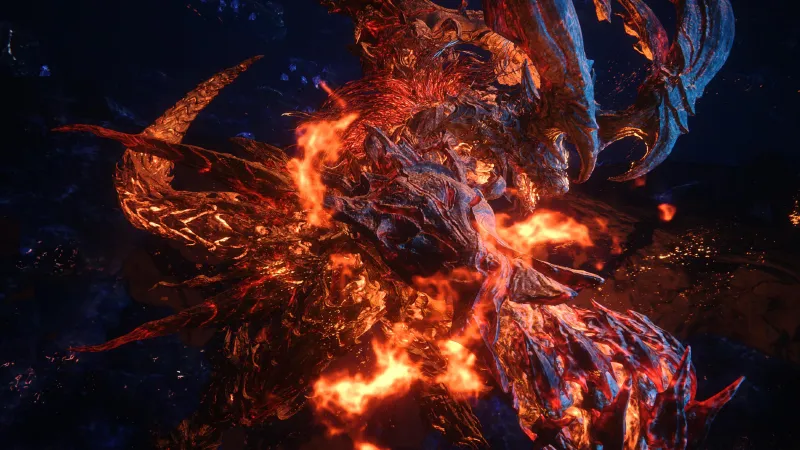
Beyond exploration, the game tasks players with fighting off “devouring” human spirits. These combat encounters are rudimentary, lacking essential features like lateral movement or a lock-on system, which makes skirmishes feel clunky and disjointed. While the game introduces clever environmental gimmicks—such as dodging toxic rain or teleporting through abandoned televisions—these mechanics often serve as simple puzzles that lack depth. Furthermore, the sheer length of these stages, combined with ethereal, repetitive music, can lead to a sluggish pace that drags down the overall momentum.
An Artistic Achievement Worth Experiencing
Despite its technical shortcomings and pacing issues, After Us remains a compelling piece of interactive art. It poses timely, difficult questions about our relationship with the natural world, occasionally offering nuanced, ambivalent perspectives that reward curious players. While the interactive elements don’t always land, the haunting beauty of its world makes it a journey worth taking for those who value atmosphere and visual storytelling above mechanical perfection.