
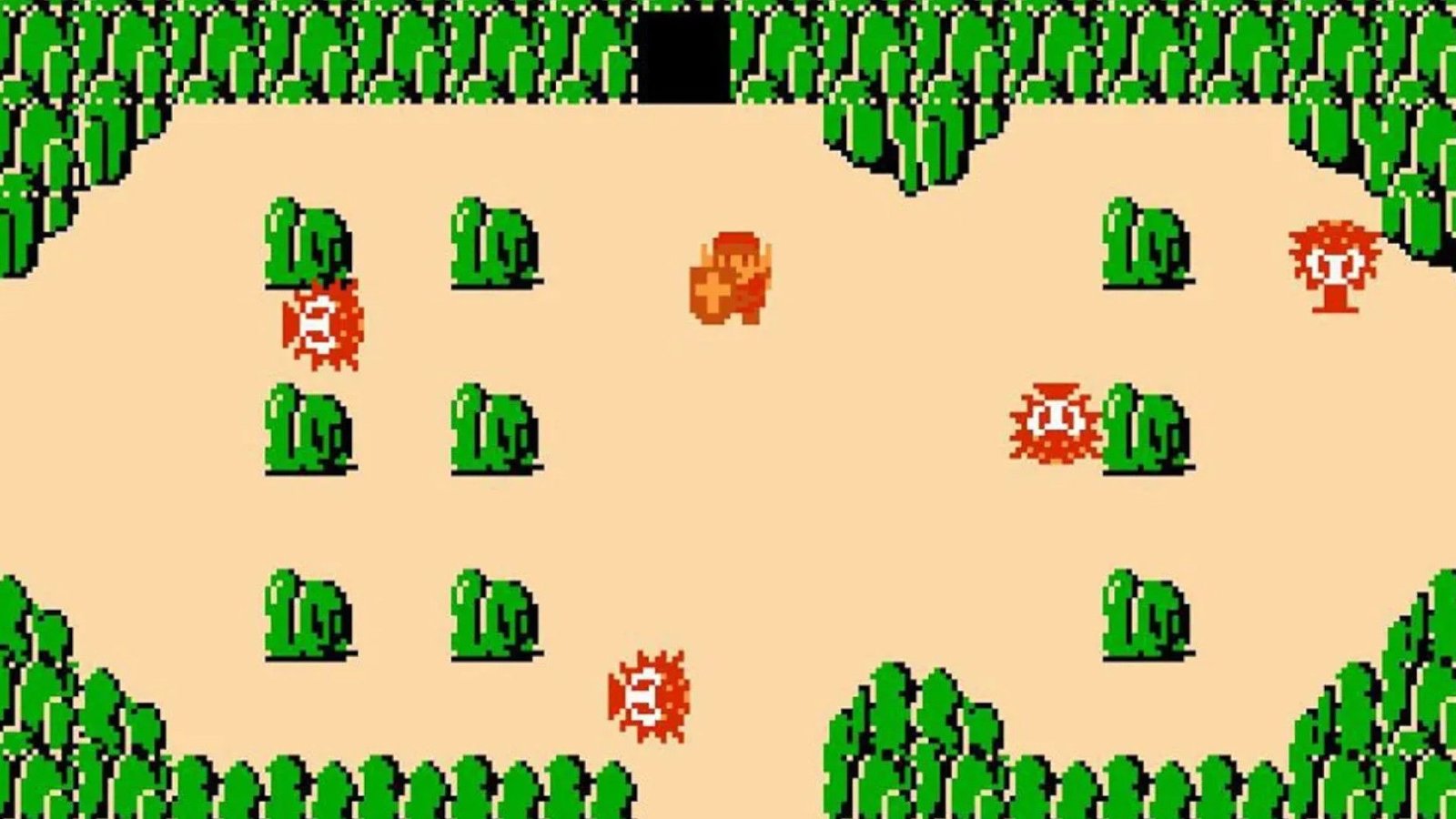
Shigeru Miyamoto designed The Legend of Zelda as a direct challenge to traditional RPGs, prioritizing physical interaction with the game world over text-heavy dialogue, according to a 1994 Q&A unearthed from The Legend of Zelda: Sound and Drama CD.
A Simultaneous Development Struggle
The creation of The Legend of Zelda and Super Mario Bros. occurred simultaneously at Nintendo. Miyamoto revealed that as soon as the development of Super Mario Bros. concluded, the team shifted their focus to help bring Zelda across the finish line. Due to the vastly different scales of the two projects, they required different hardware approaches in Japan: while Mario launched as a standard cartridge, Zelda utilized the Famicom Disk System.
“We were eager to take advantage of the Disk System’s features,” Miyamoto stated. The hardware allowed for significant technical leaps, including the ability to register player names, enhanced audio capabilities, and, crucially, the ability to save progress—a feature that made the game’s ambitious scope possible.
Redefining the RPG Experience
Despite the technological advantages, the team remained anxious about the game’s accessibility. Miyamoto admitted they were worried that players might feel lost or confused, as the game lacked the hand-holding common in other titles of the era. “I wanted to create a game where the player understands the history and nature of the land, and it feels like they’re exploring,” he explained.
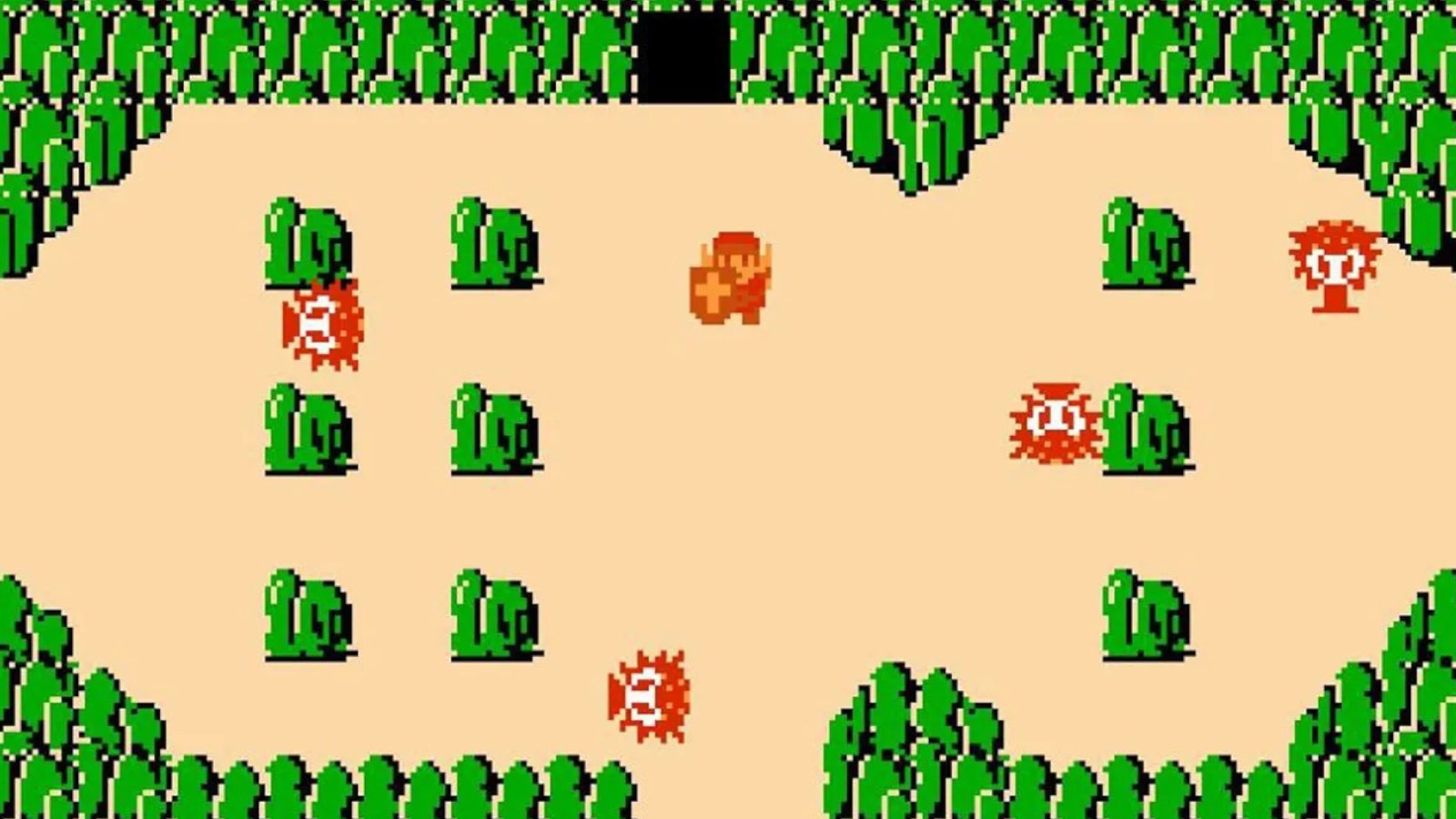
Unlike contemporary RPGs that relied heavily on dialogue to drive progression, Miyamoto’s vision for Zelda was centered on agency. “We wanted the player to interact with the game world using the controller and conquer dungeons using a simple mapping system,” he noted. This design philosophy aimed to move the genre away from passive reading toward active, tactile problem-solving.
A Legacy of Brutal Exploration
The original The Legend of Zelda is infamous for its difficulty, from the risk of wandering into danger without a sword to the requirement of using limited bombs on seemingly nondescript walls to progress. While these design choices were considered “obtuse” at the time, they laid the foundation for the series’ future.
The freeform, experimental nature of the original title eventually became the blueprint for modern masterpieces, most notably influencing the open-world structure of Breath of the Wild. Miyamoto’s experimental project, which he once feared might not be well-received, ultimately redefined how players interact with digital landscapes.
In his reflections on the series, Miyamoto has also noted that while he considers Zelda 2 to be “sort of a failure,” he views A Link to the Past as the “real sequel” that truly captured the vision intended for the franchise.