
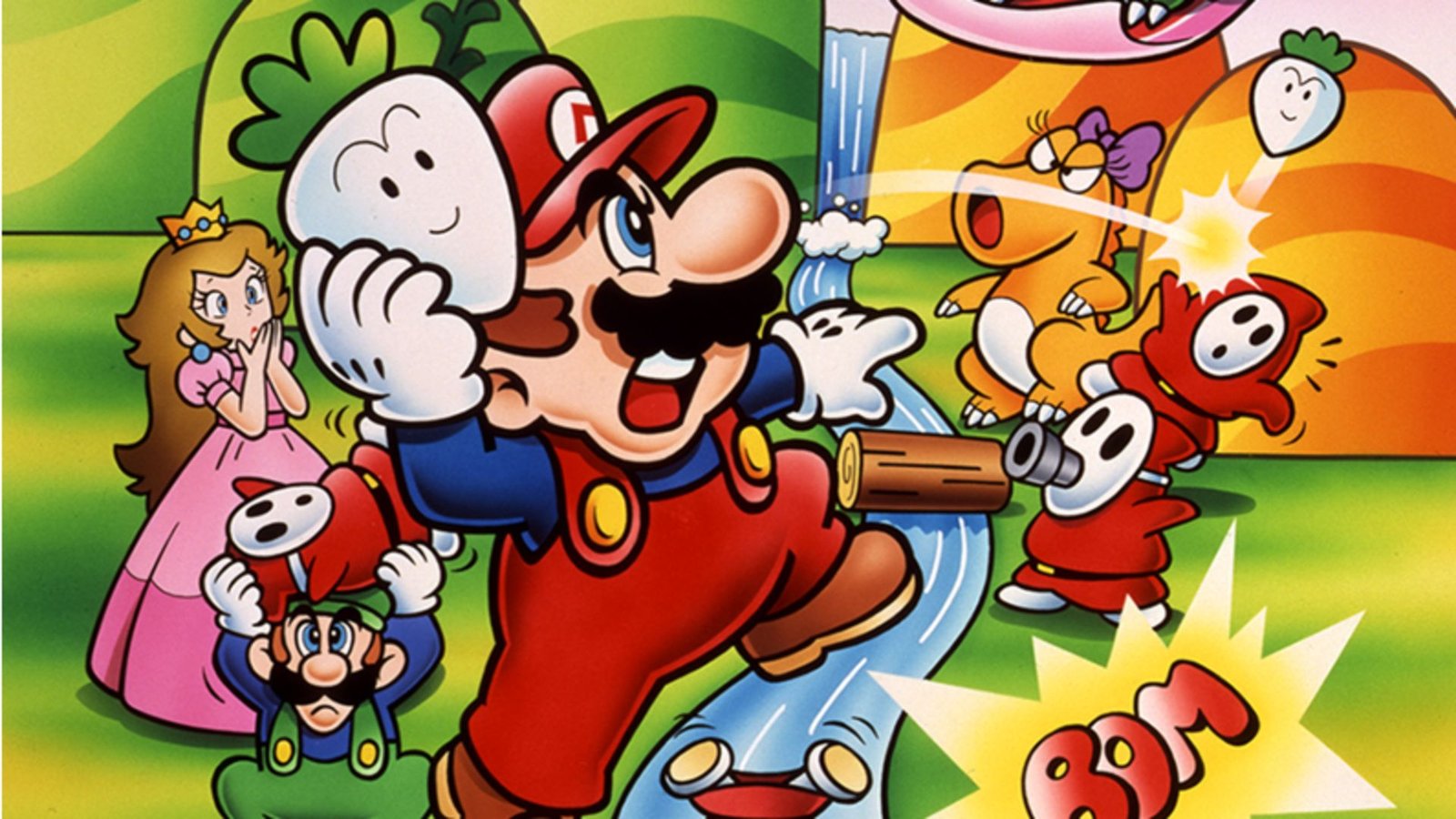
Shigeru Miyamoto has revealed that early Nintendo was a chaotic “madhouse” during the mid-1980s, as his team struggled to simultaneously develop two industry-defining titles: Super Mario Bros. and The Legend of Zelda.
A High-Pressure Development Cycle
In a Q&A session originally featured on the 1994 audio CD The Legend of Zelda: Sound and Drama—and recently highlighted by Retro Gamer—Miyamoto opened up about the immense pressure of the era. “We had started development on Super Mario Bros. shortly before starting on The Legend of Zelda in 1984, so we were extremely busy with planning, with the two projects progressing simultaneously,” he explained. The overlap created significant logistical hurdles, as he noted, “It was very difficult to finish Mario and then get the Mario programmers involved in the final push to finish The Legend of Zelda.”
Design Challenges and Player Experience
While Super Mario Bros. was intuitive, the design team feared that the more complex, non-linear nature of The Legend of Zelda might alienate players. Miyamoto admitted, “We were worried that people wouldn’t know what to do, even at the beginning of the game, and the game wouldn’t be well received.” The team was particularly concerned about the game’s difficulty, noting that a single wrong turn early on could leave a player without a weapon.
Revolutionizing Interactive Exploration
Despite these anxieties, Miyamoto’s vision for Zelda was clear: he wanted to prioritize player agency over scripted narrative. “I wanted to create a game where the player understands the history and nature of the land, and it feels like they’re exploring,” he stated. He contrasted this with traditional RPGs of the time, noting, “In traditional RPGs, the game progresses solely through dialogue, but we wanted the player to interact with the game world using the controller, and conquer dungeons using a simple mapping system.”
A Legacy Built on Simultaneous Success
It remains remarkable that two of the most influential games in history were created in such close proximity, often by the same core team under the direction of a single visionary. This rapid-fire development cycle stands in stark contrast to the modern era, where the gap between major entries in the Mario and Zelda franchises often spans half a decade or more.
Reflecting on the evolution of the series, Miyamoto has previously expressed that he viewed Zelda II: The Adventure of Link as “sort of a failure,” identifying A Link to the Past as the true successor to his original vision.