
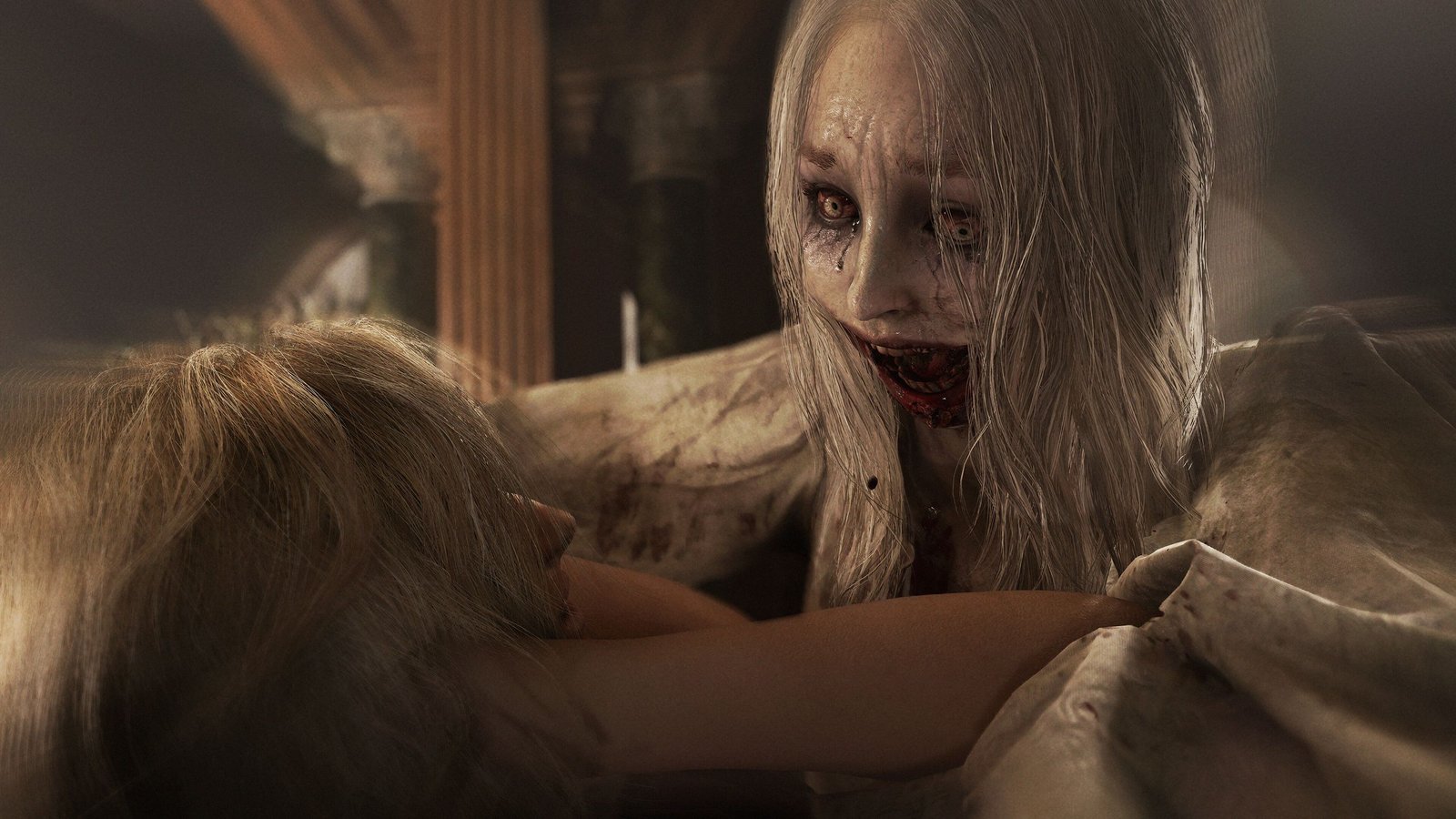
Isabella Inchbald, the voice behind the mutant Selena Corey in Resident Evil Requiem, has unexpectedly become the star of the game’s community, despite Capcom never officially naming the character or providing a detailed backstory during production.
A Surprise Icon of Rhodes Hill
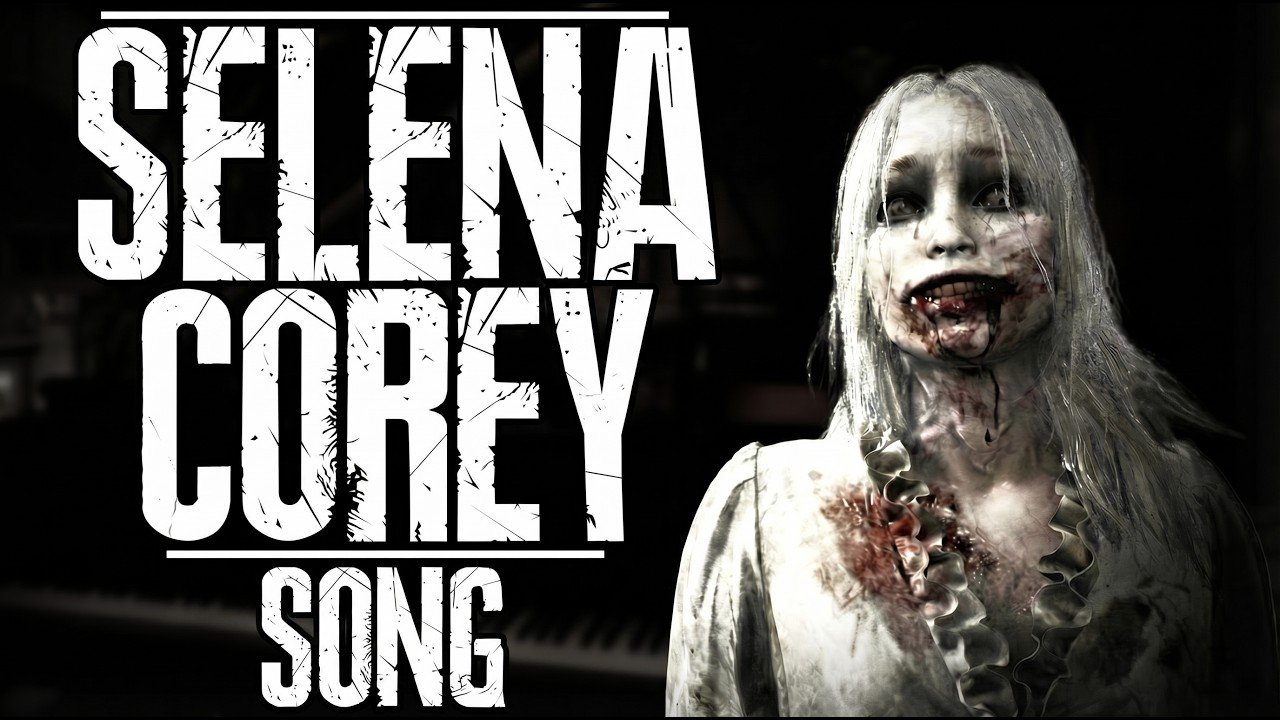
While players are naturally drawn to heroes like Grace Ashcroft and Leon Kennedy, a segment of the Resident Evil Requiem fanbase has developed a cult following for Selena Corey. The mutant, found wandering the Rhodes Hill Care Center, has inspired a wave of fan art, cosplay, and even original music. For Inchbald—known for her work in Dying Light: The Beast and Indika—the character’s status as the game’s unintentional “It-girl” is a surreal development.
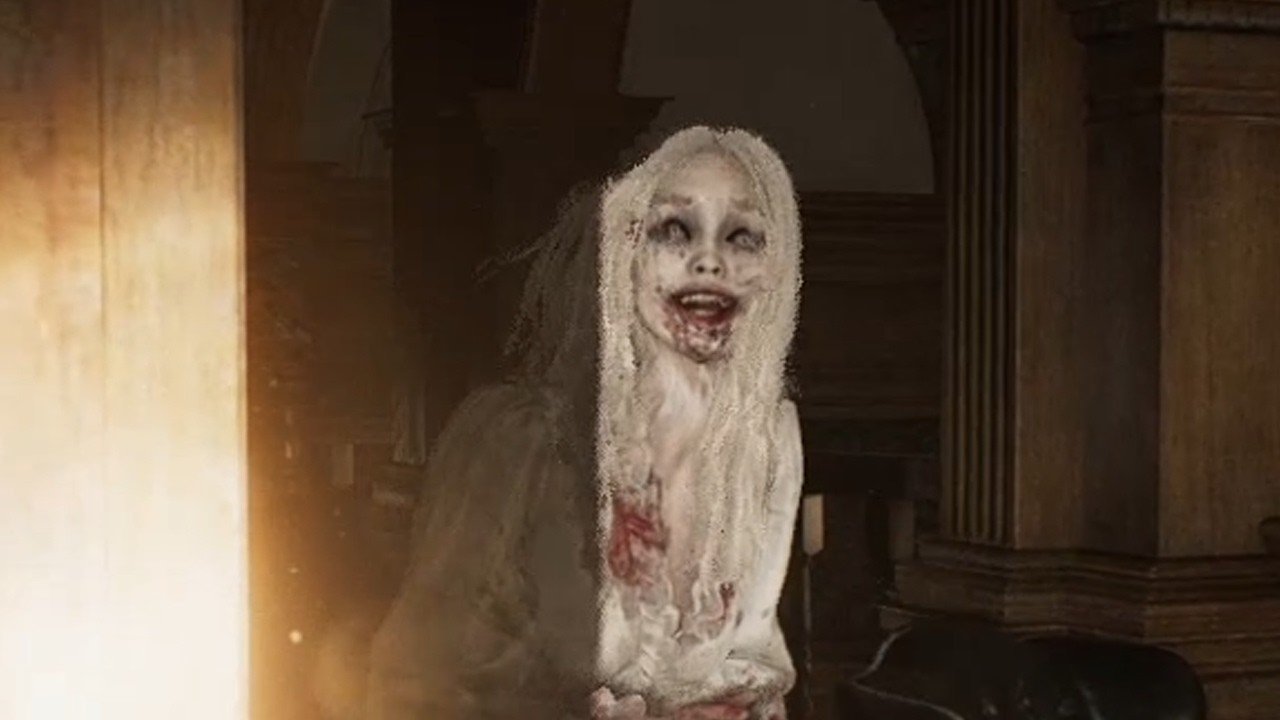
The character is defined by her haunting “witch scream” and her unsettling, yet strangely elegant, presence amidst the carnage of the T-virus outbreak. Patient records scattered throughout the game reveal that Selena was admitted to the facility for histrionic personality disorder, a detail that explains her lingering vanity and the romantic white ruffles she wears despite her grotesque mutation.
Channeling the ‘Half-Child, Half-Siren’
Inchbald reveals that she had minimal direction when recording for the role. She did not perform motion capture for the character, and Capcom provided little context regarding Selena’s history. “I think what I was channeling when I was recording her was kind of half-child and half-siren. She’s an attractive zombie, who is really a little girl that wants attention,” says Inchbald.
The audition process itself was unconventional, requiring Inchbald to perform “a bunch of zombie noises” for 20 minutes without knowing she was working on a Resident Evil title. She recalls, “I didn’t even know that my character was called ‘Selena Corey,’ actually, when I was recording. I didn’t even know that.”
A Shift Toward Empathy in Horror
Capcom’s primary instruction was to lean into the concept that Requiem’s monsters were creatures “in between human and zombie.” Inchbald notes that the goal was for the infected to retain traces of their humanity and memories, which allowed for a more cerebral performance than a standard “killing spree” zombie trope.
This creative freedom allowed Inchbald to improvise the character’s vocalizations, including her signature singing. “It was quite liberating to be emoting in that way, rather than being restricted by words—words that you haven’t written,” she explains.
Resonating With the Horror Community
Within the game, Selena’s song serves as a defiant proclamation of her ego, surviving even the T-virus. This dynamic has resonated with fans of horror cinema, drawing comparisons to iconic characters like Pearl or American Mary. These figures often represent themes of self-obsession and the destructive nature of seeking validation.
Reflecting on the unexpected success of the role, Inchbald remains humble. “I really am shocked in the best way possible that fans love her so much,” she says. “When you’re playing a smaller role—and, frankly when you’re playing a zombie, you don’t think that’s going to really amount to any kind of recognition.”
Ultimately, the connection between the performer and the audience has been mutually impactful. “I’m glad that I’ve made them feel something,” says Inchbald, “and they’ve, in return, made me feel something, too.”