
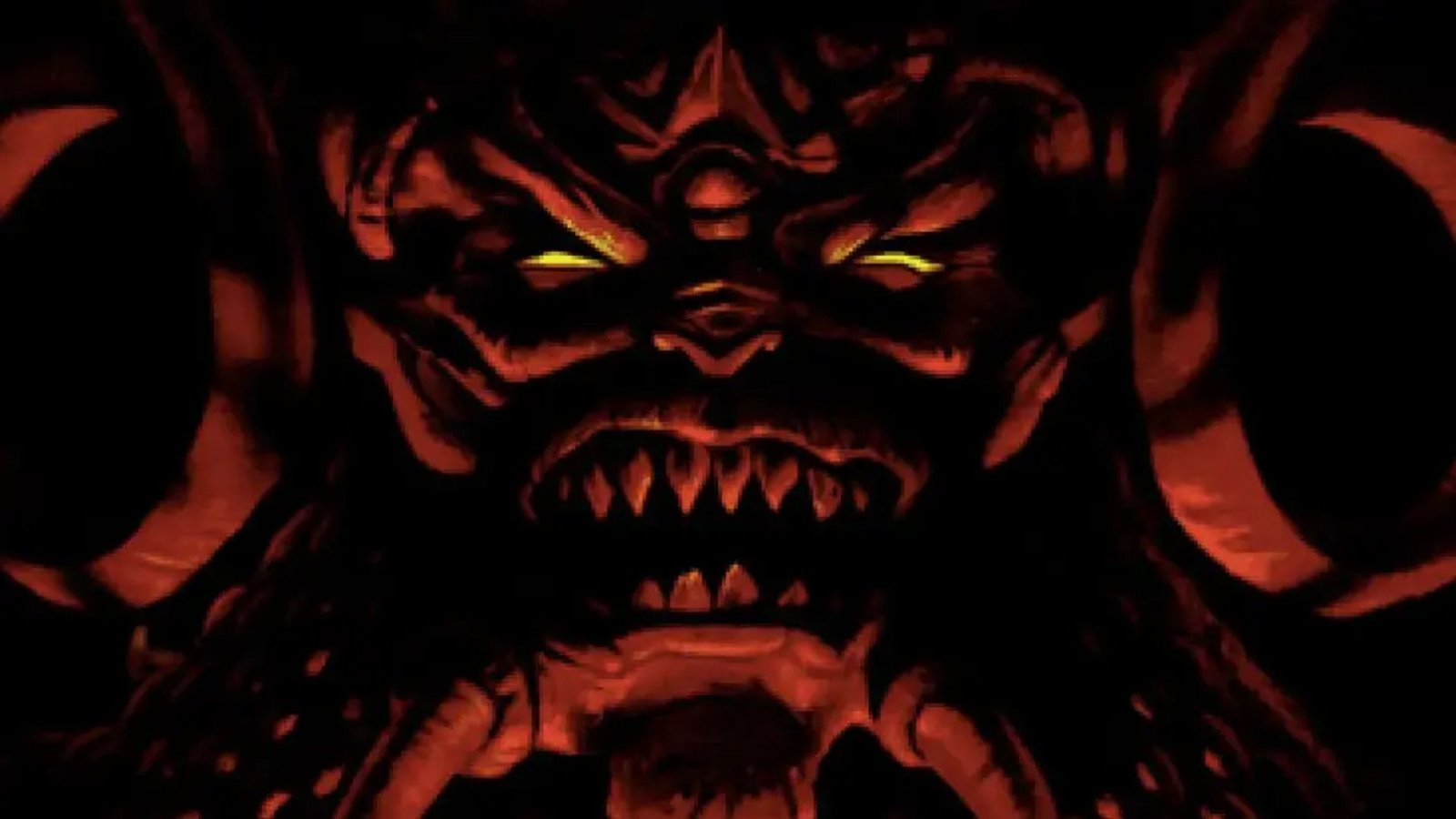
The original Diablo franchise nearly vanished before it began, narrowly avoiding bankruptcy thanks to a last-minute acquisition by Blizzard in the mid-1990s.
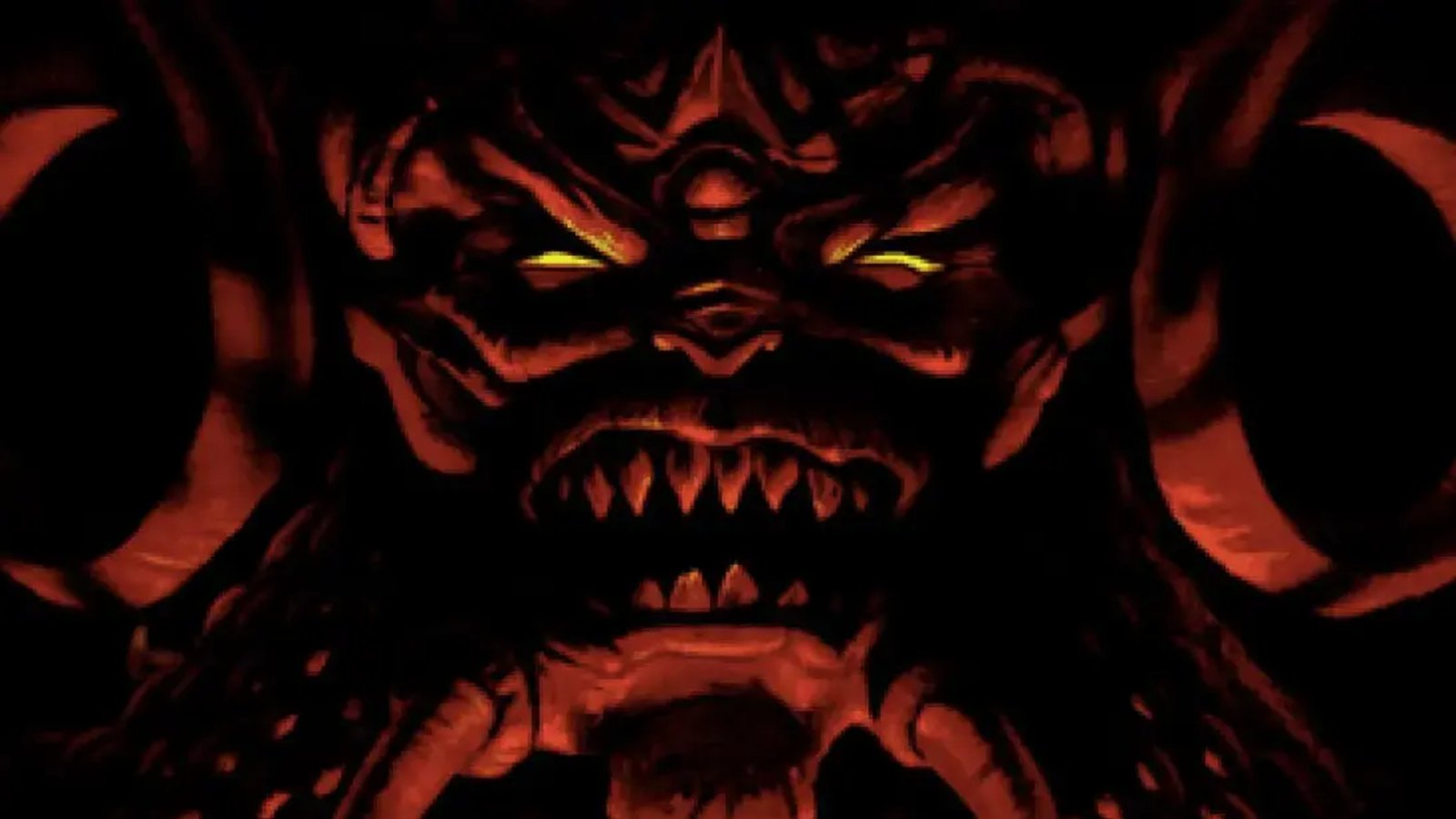
A Near-Death Experience for Condor
Diablo was the brainchild of a studio named Condor in the early 1990s. While development was underway, the small team faced a dire financial crisis. The situation became so critical that the studio’s very existence was under threat from authorities.
“The offer was unexpected, but very welcome. The taxman was literally at the door, threatening to shut us down,” explained Erich Schaeffer, co-founder of Condor, in an interview originally featured in Edge Magazine and later reprinted in Playmakers.
From Condor to Blizzard North
Blizzard’s intervention changed the trajectory of the project entirely. By offering to acquire Condor—rebranding the team as Blizzard North—the company provided the necessary capital to transform the scope of the game. This partnership ultimately served as a defining moment for the action-RPG genre.
Unlocking Potential Through Financial Freedom
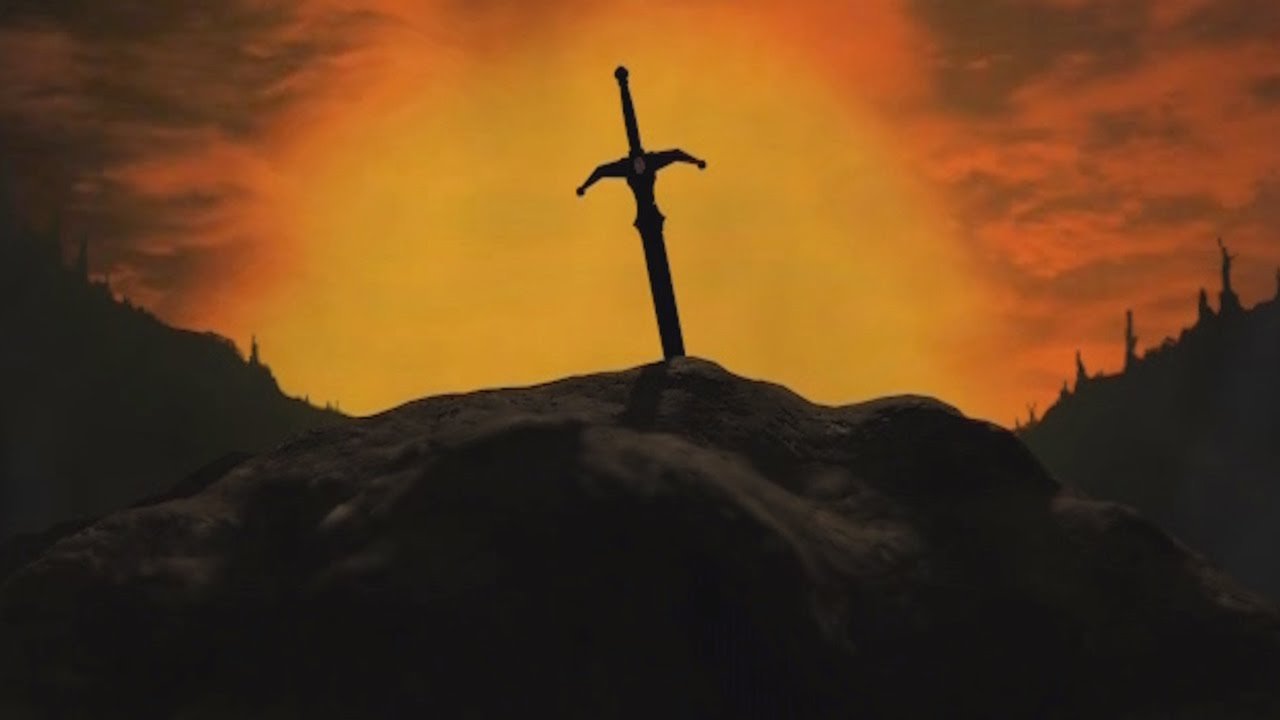
“At this point, the budget was very low, under half a million dollars,” noted Max Schaefer. Once the acquisition was finalized, the team was no longer shackled by severe budgetary constraints. This newfound freedom allowed the developers to expand the game’s vision significantly, granting them the time and resources to polish what would become a legendary title.
A Legacy of Success
When the Kingdom of Khonduras arrived on screens in 1997, Diablo became an immediate commercial success. The momentum led to the rapid development of Diablo 2, which launched three years later to even greater acclaim. Today, the series remains the gold standard for loot-driven dungeon crawlers, cemented by the 2021 release of its remastered edition.
What began as a risky experiment blending Dungeons and Dragons mechanics with roguelike structures grew into a cultural phenomenon, proving that sometimes even a journey through hell needs a little help to survive.