
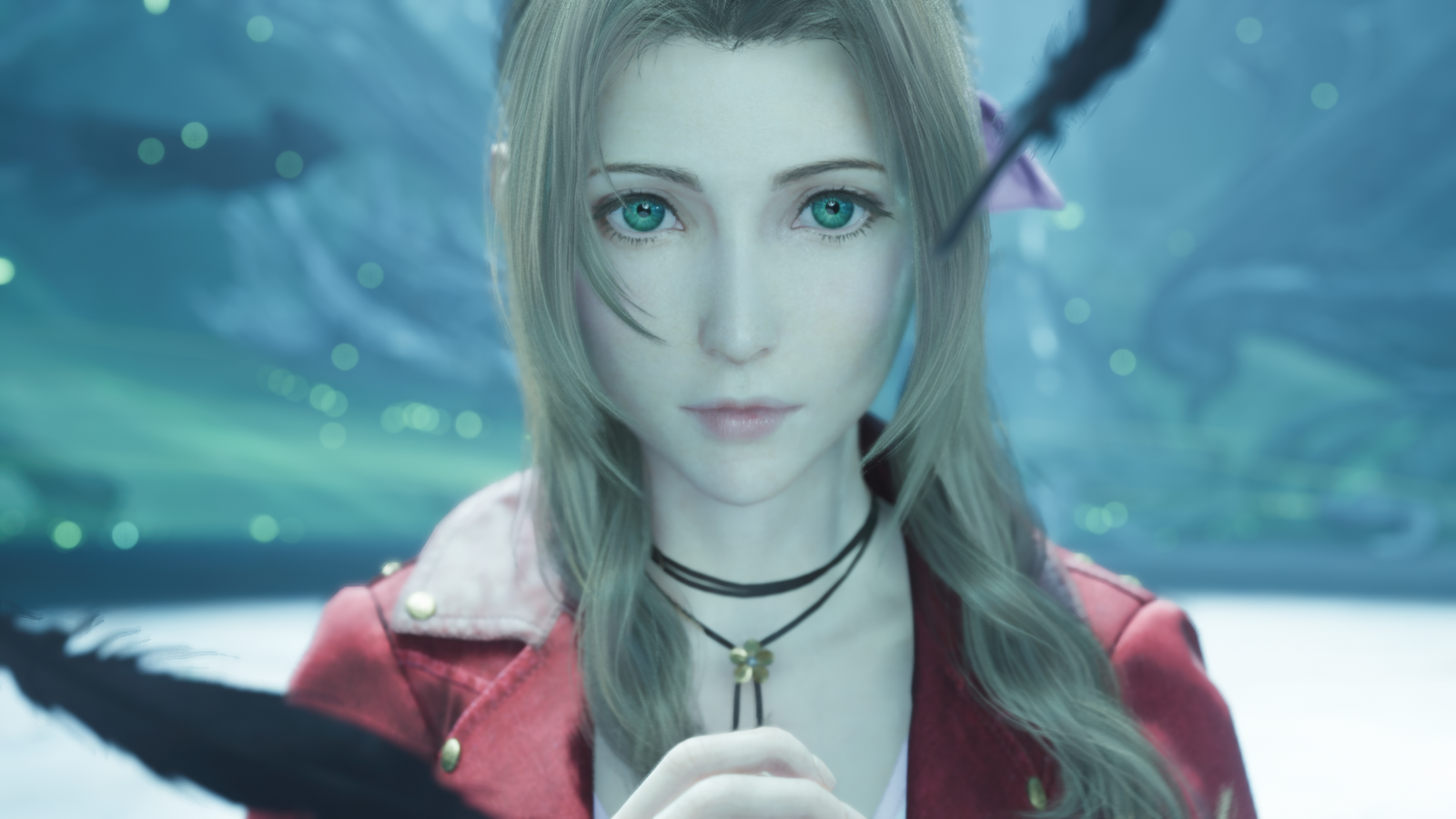
Final Fantasy 7 Rebirth director Naoki Hamaguchi has confirmed that while he refuses to alter the overarching narrative written by Kazushige Nojima, minor adjustments were necessary to preserve the player’s emotional engagement in a modern gaming landscape.
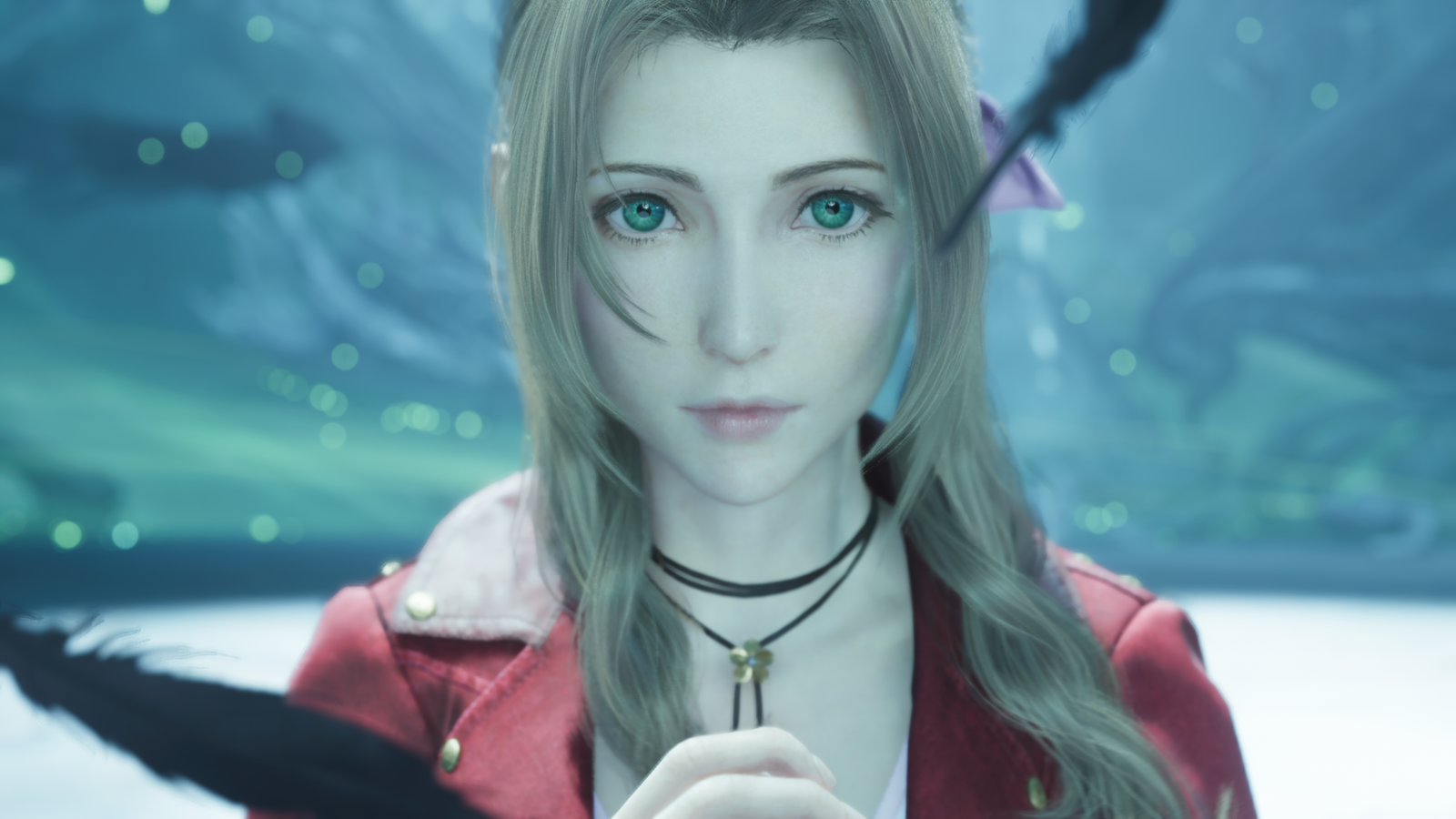
Respecting the Original Vision
Hamaguchi addressed concerns regarding the creative direction of the remake trilogy, emphasizing that the core narrative remains firmly in the hands of the original writer. “When it comes to the overarching story, I place my trust in what Kazushige Nojima writes and have no intention of altering that based on my judgment,” Hamaguchi stated.
However, the transition from a 1997 JRPG to a high-fidelity modern title presented unique challenges. According to the director, replicating the original game’s events with absolute precision occasionally resulted in scenes that felt implausible or disconnected. “When changes in time or dates don’t feel convincing, it also breaks the player’s emotional engagement,” he explained.
Adapting Pacing for Modern Audiences
The development team focused heavily on ensuring that emotional beats felt earned and grounded within the flow of the game. Unlike the original, which relied on text-based delivery, the remake utilizes full voice acting and cinematic cutscenes, necessitating a shift in how narrative pacing is handled.
“It wasn’t so much a matter of adding or changing the story, but rather adjusting things in a way that ensured that the player’s emotional pacing aligned with the flow of time,” Hamaguchi noted. He described the process of revisiting these scenes as one of the most sensitive aspects of the entire development cycle.
Balancing Nostalgia and Innovation
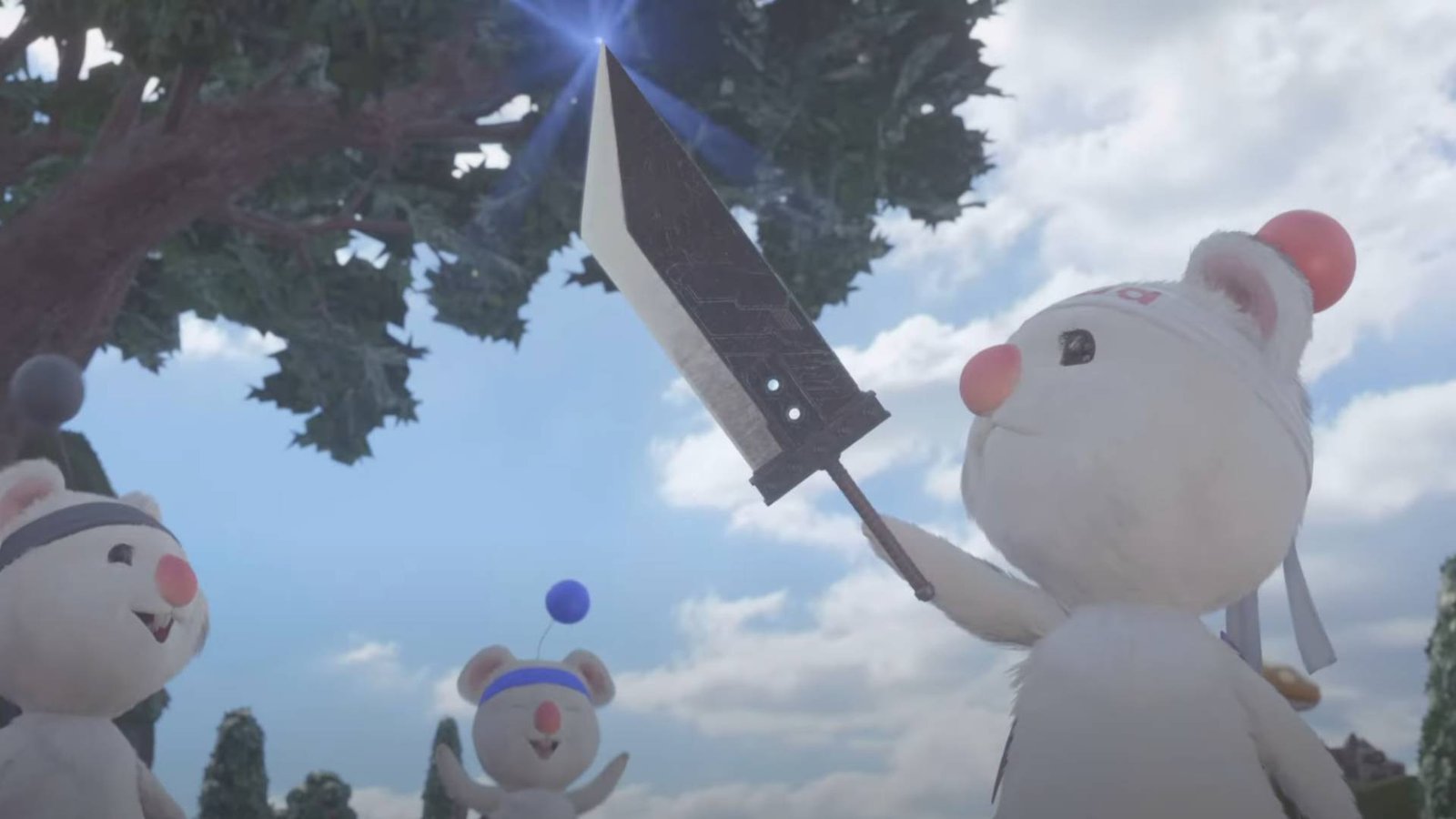
Since the launch of the first part of the trilogy in 2020, Square Enix has navigated the delicate balance of honoring a classic while introducing a meta-narrative to keep long-time fans guessing. While the primary story beats remain largely faithful to the source material, the journey between these moments has been expanded to offer fresh experiences.
This approach has sparked ongoing debate within the community, with some purists viewing any deviation as sacrilegious, while others embrace the theory-crafting opportunities presented by the new narrative layers. Despite the added complexity, the original 1997 title remains available for those who prefer the story in its unaltered form.
Looking ahead, Hamaguchi confirmed that development for the final entry in the trilogy is progressing at a steady pace. As the team prepares for the conclusion of this ambitious project, the focus remains on delivering a cohesive experience that resonates with both legacy fans and newcomers.