
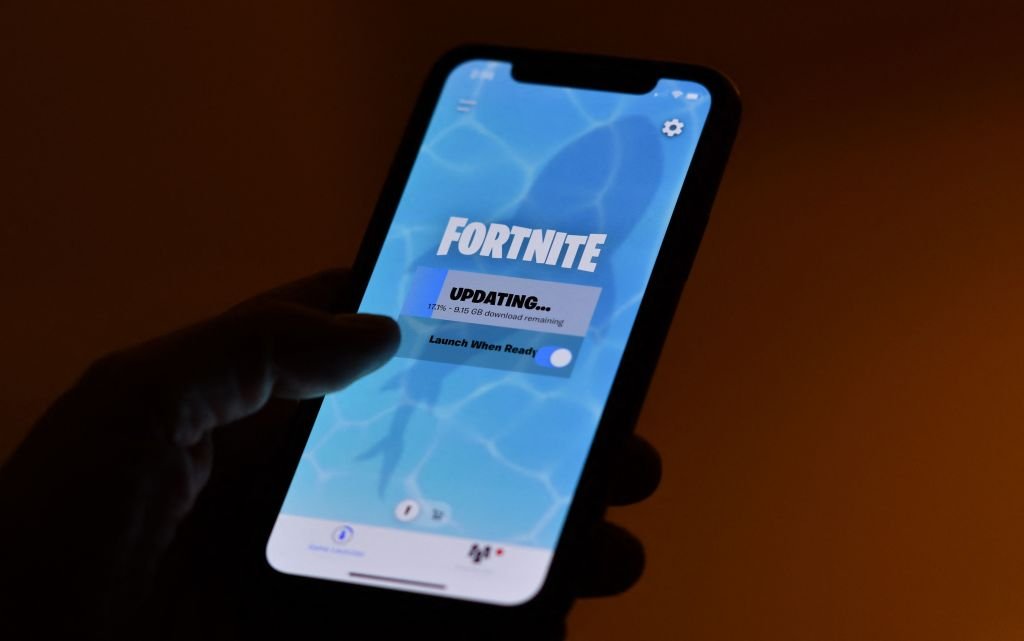
Fortnite has officially returned to the U.S. Google Play Store, marking a major development following a court-mandated injunction that forced Google to open its platform.
A Shifting Legal Landscape
The game’s return follows the conclusion of a high-stakes five-year legal battle between Epic Games and Google regarding in-app purchase commissions and platform restrictions. While Epic secured a victory against Google, the company faced a setback in its parallel litigation against Apple, as an appeals court partially reversed previous restrictions imposed on the iPhone maker.
The 2020 Catalyst and Antitrust Battles
The conflict ignited in 2020 when Epic Games introduced a direct payment bypass for Fortnite on both iOS and Android, circumventing the mandatory in-app purchase systems. In response, both Apple and Google removed the title from their stores, triggering a massive wave of antitrust litigation from the developer.
Apple’s Partial Legal Victory
While the court previously ruled that Apple is not a monopolist, it had initially ordered the company to allow developers to direct users to alternative payment methods. However, an appeals court recently partially overturned those mandates, labeling some previous requirements as “overbroad.”
Under the new filing, Apple is permitted to restrict developers from making external payment links more prominent than its own. Furthermore, the court ruled that Apple may charge a fee for purchases made outside the App Store—a significant blow to developers who had sought to avoid the company’s commission structure entirely.
🚨 Fortnite is back on the Google Play Store in the U.S. following Google’s compliance with the U.S. District Court’s injunction. We’re continuing to work with Google to seek court approval of our settlement. Stay tuned for news of Fortnite's return to Google Play to the rest of… https://t.co/HgUgZofeBW
— Epic Games Newsroom (@EpicNewsroom) December 11, 2025
Google’s Compliance and Future Outlook
Conversely, Epic Games has achieved a tangible win against Google, which was found to have engaged in anticompetitive behavior. The resulting agreement mandates that Google must allow alternative payment mechanisms and places a cap on the fees Google can collect.
Epic Games CEO Tim Sweeney hailed the development as a “comprehensive solution,” emphasizing that it reinforces Android’s position as an open platform.
The details of the Apple ruling are outlined below: