
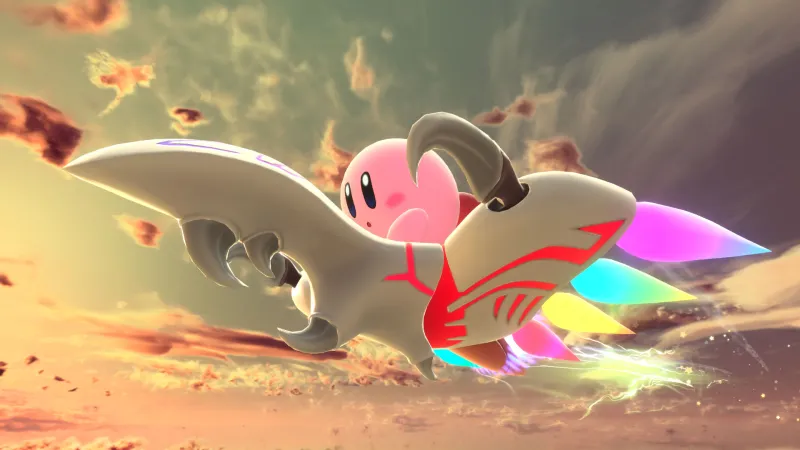
Kirby Air Riders, the latest racing title from acclaimed director Masahiro Sakurai, delivers a deceptively deep experience that balances accessible, one-button mechanics with a remarkably high skill ceiling for players willing to master its nuances. Released as a bold creative evolution of the GameCube classic, the game prioritizes signature style and complex unlockable systems over broad, mass-market appeal.
Precision Gameplay in a Simple Package
While the original Kirby Air Ride relied on a single button, this sequel introduces a second, rarely used input. However, don’t let the barebones control scheme fool you into thinking the gameplay is shallow. The B button manages drifting, boost charging, inhaling enemies, utilizing copy abilities, and aerial maneuvers, requiring precise timing and execution. While novices can easily finish a race, true mastery requires significant practice, placing the game’s skill ceiling remarkably high.
Deep Customization and Roster Variety
The game features an extensive lineup of over 20 playable riders and a wide variety of machines categorized into stars, wheelies, and tanks. Each machine boasts nine distinct stats and bespoke abilities, ranging from unique boost patterns to overhauled drift mechanics. The roster draws deeply from Kirby lore, turning background enemies into distinct, playable characters with unique special abilities that charge during intense competition.
The Challenge of Complexity
This immense variety can occasionally overwhelm newcomers. In single-player mode, the selection screens are informative, but multiplayer modes condense this information into a Smash Bros.-style interface that obscures critical details. Without clear tutorials, players may struggle to understand why certain vehicles, like the Bulk Star, handle differently than others, leading to potential frustration during local sessions.
Diverse Modes and Online Hurdles
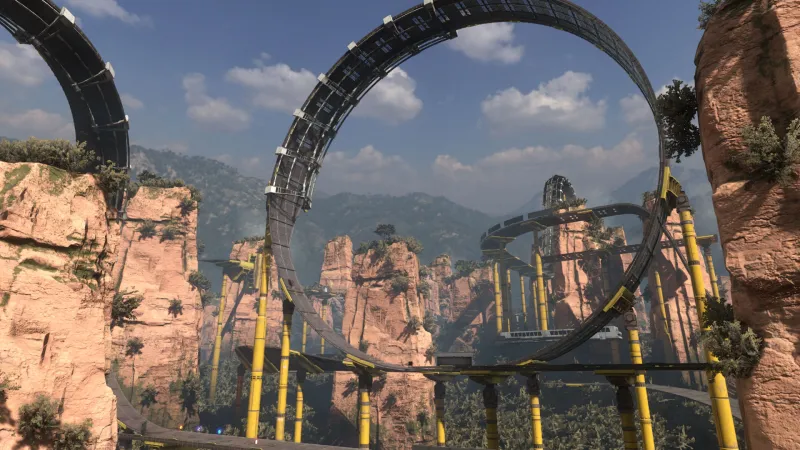
Kirby Air Riders offers four distinct ways to play. Air Ride provides standard, high-energy racing across vibrant tracks, while Top Ride offers a top-down, bite-sized competitive experience. City Trial tasks players with exploring an open map to collect upgrades before a climactic event, though it can grow repetitive during solo play. While online multiplayer is available, players should prepare for significant wait times, as matchmaking often takes longer than the races themselves.
Road Trip: The Solo Narrative
The solo story mode, Road Trip, captures the classic Kirby transition from whimsical beginnings to dark, apocalyptic stakes. Players navigate long highways while facing relentless micro-challenges and the persistent pursuit of the mysterious Noir Dedede. While the two-hour experience is best enjoyed in shorter bursts to avoid the repetitive nature of its minigames, it remains the most engaging way to experience the game alone.
The Reward of Unlockables
The game’s vast achievement system provides constant motivation, with hundreds of challenges ranging from character and course unlocks to cosmetic decals. This progression loop feels refreshingly nostalgic compared to modern multiplayer titles that prioritize immediate, balanced competition. By gating content behind specific goals, the game ensures players truly appreciate every machine and rider they earn, turning minor victories into genuine personal achievements.
Kirby Air Riders is an unapologetically inflexible experience that demands players engage with its mechanics to find success. By blending simple-to-learn controls with a dense, rewarding progression system, Sakurai has crafted a title with a distinct identity. It may not replace your primary racing game, but its commitment to its own unique vision makes it a standout entry in the Kirby franchise.