
Capcom’s sci-fi puzzle shooter Pragmata arrives as a breath of fresh air, feeling like a title plucked from the golden age of the PS360 era while maintaining enough innovation to stand tall against modern contemporaries. Devoid of the pretentious gravitas that plagues many current releases, Pragmata delivers a focused, robust experience that subverts traditional “dad game” tropes by centering on a genuine, heartwarming bond between a space marine and his young ward.
The Mission: Survival in a Silent Station
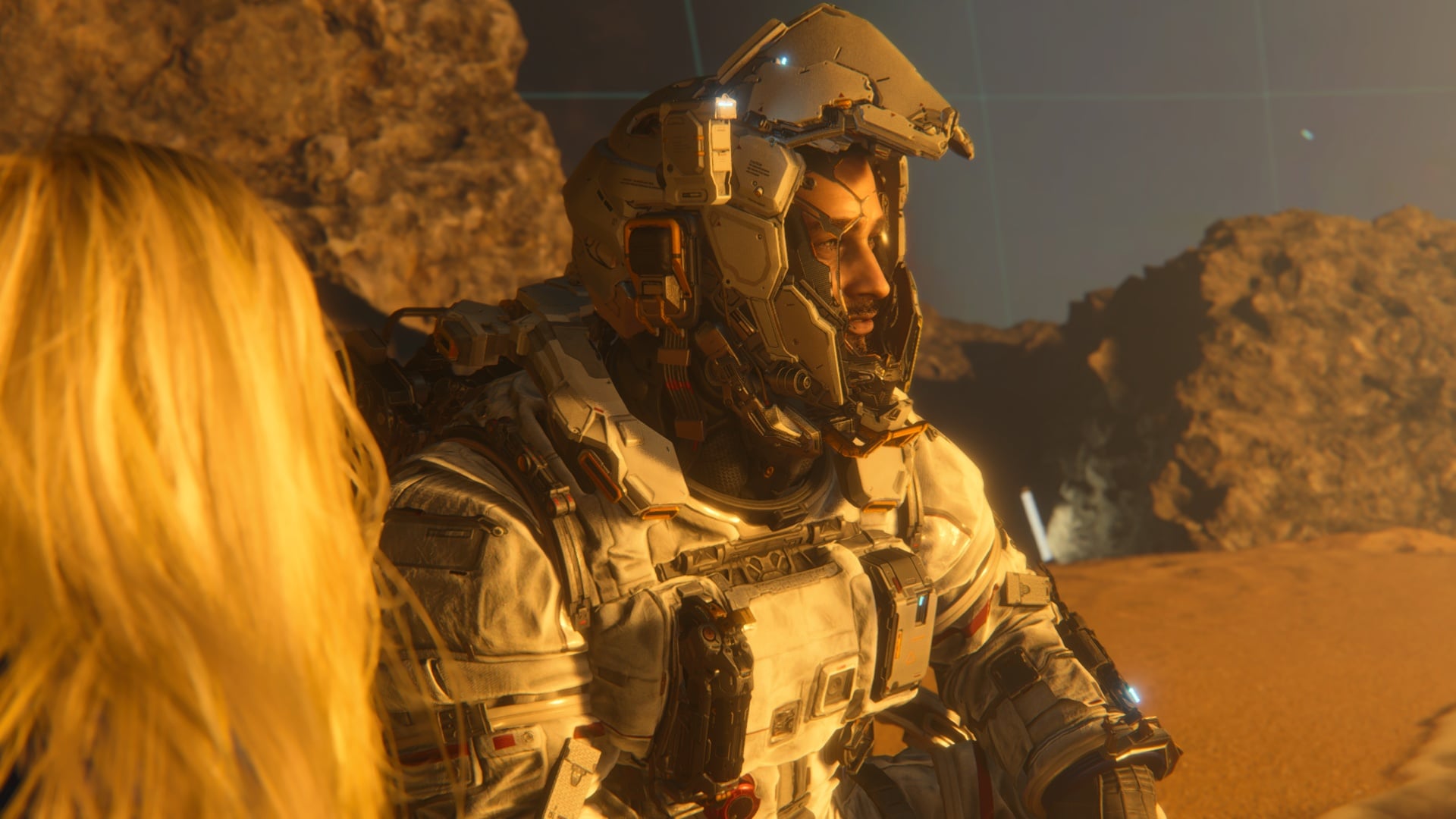
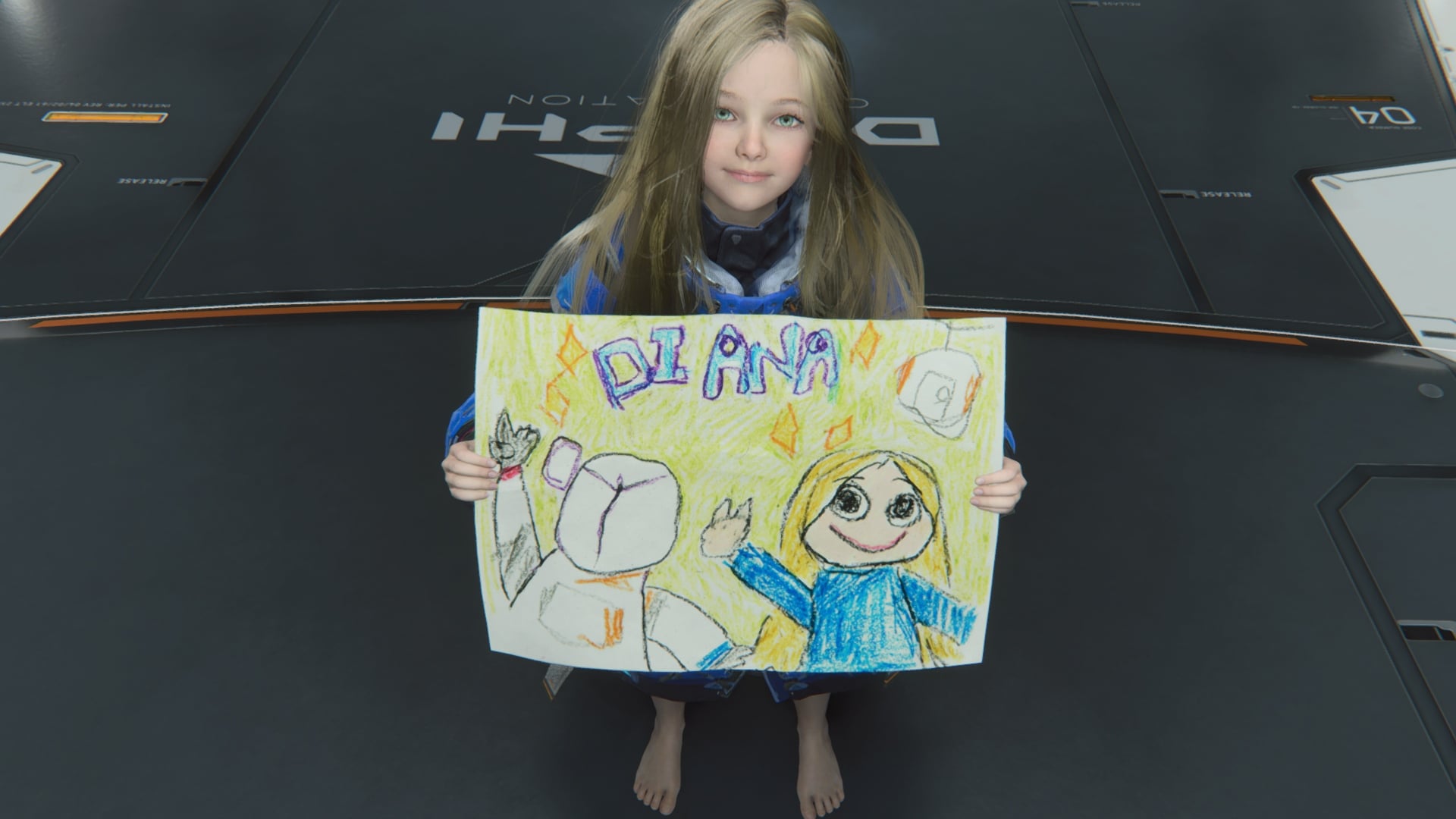
The story follows Hugh, a space marine tasked with a routine check-in at a lunar research facility. Upon arrival, he discovers a catastrophe; the station is a graveyard, save for a hostile AI named IDUS and a swarm of malfunctioning robots. Amidst the chaos, Hugh encounters D-I-0336-7, an android resembling a young girl with the unique ability to bypass robotic defenses. Hugh quickly simplifies her name to “Diana,” establishing a protective, parental dynamic from the very first moments of their journey.
A Different Kind of “Dad Game”
Unlike the angsty, burden-heavy relationships found in The Last of Us or the God of War reboot, the connection between Hugh and Diana is refreshingly sweet. Hugh never views Diana as an obstacle; instead, he nurtures her curiosity about Earth. Their relationship serves as the heartbeat of the game, providing a warm, human contrast to the cold, metallic environment of the space station.
The Artificiality of a Dystopian World
Capcom designed the station’s 3D-printed cityscapes to mirror the soulless, artificial aesthetic of generative AI. Everything in this environment is a desperate, imperfect replica of life on Earth. While these replicas help the station’s inhabitants maintain their sanity, for Diana—who has never seen the real world—they are a source of wonder. This narrative choice allows the game to offer a timely critique of how modern technology often serves as a hollow replacement for genuine human experience.
Gameplay: Mastering the Synergy
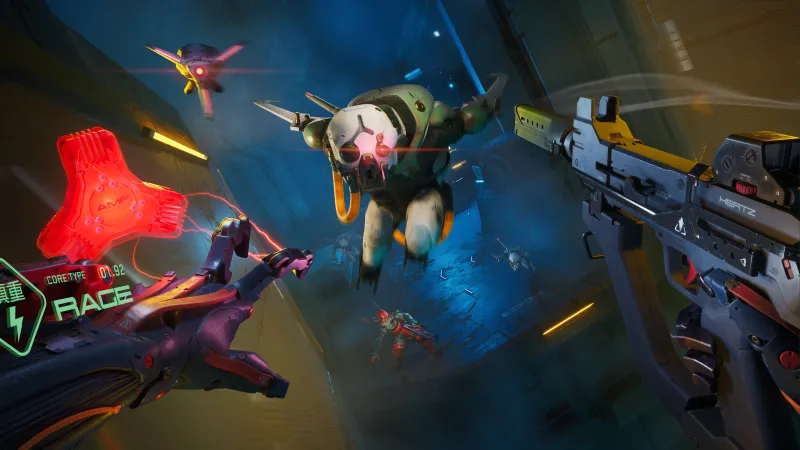
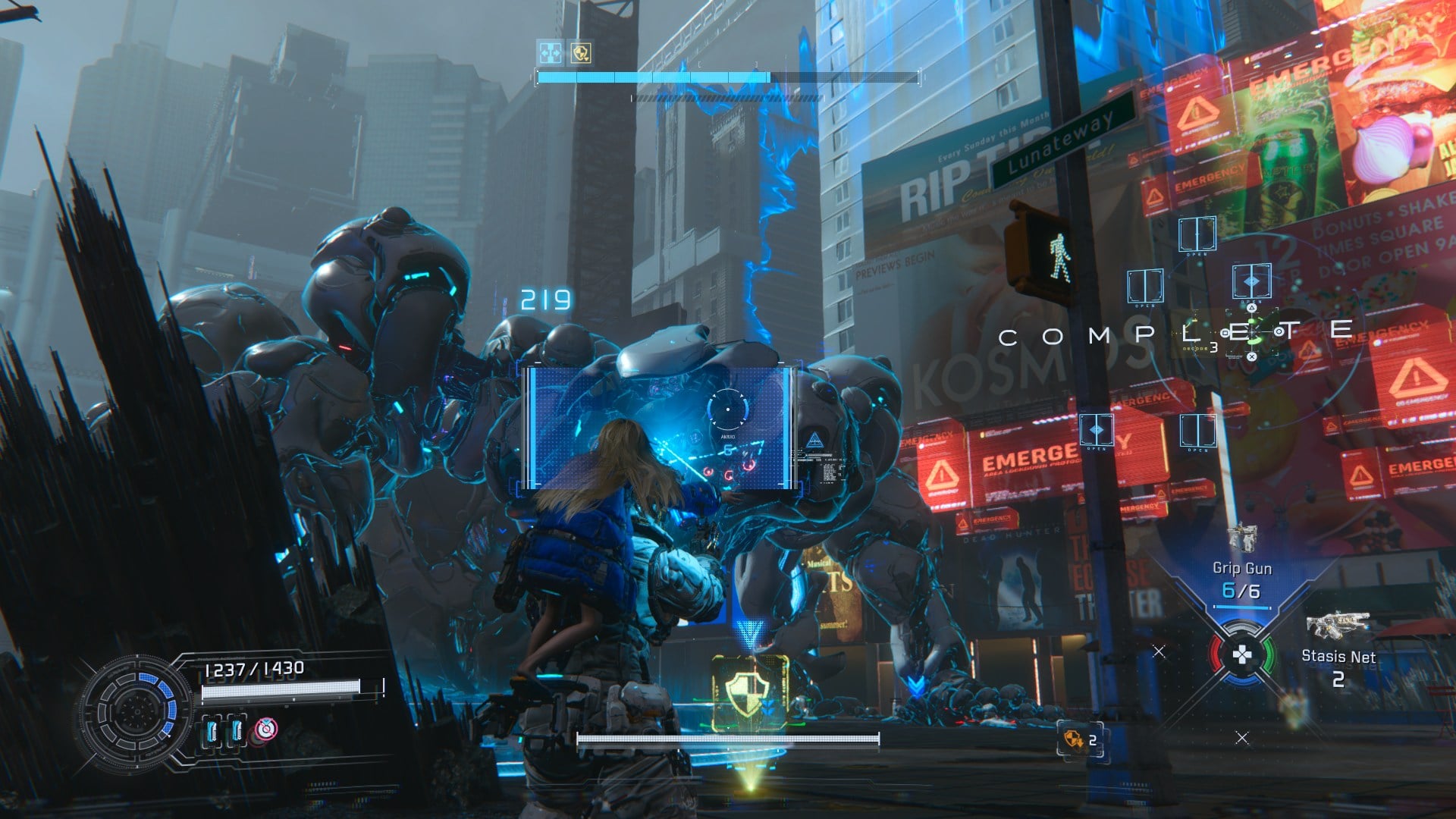
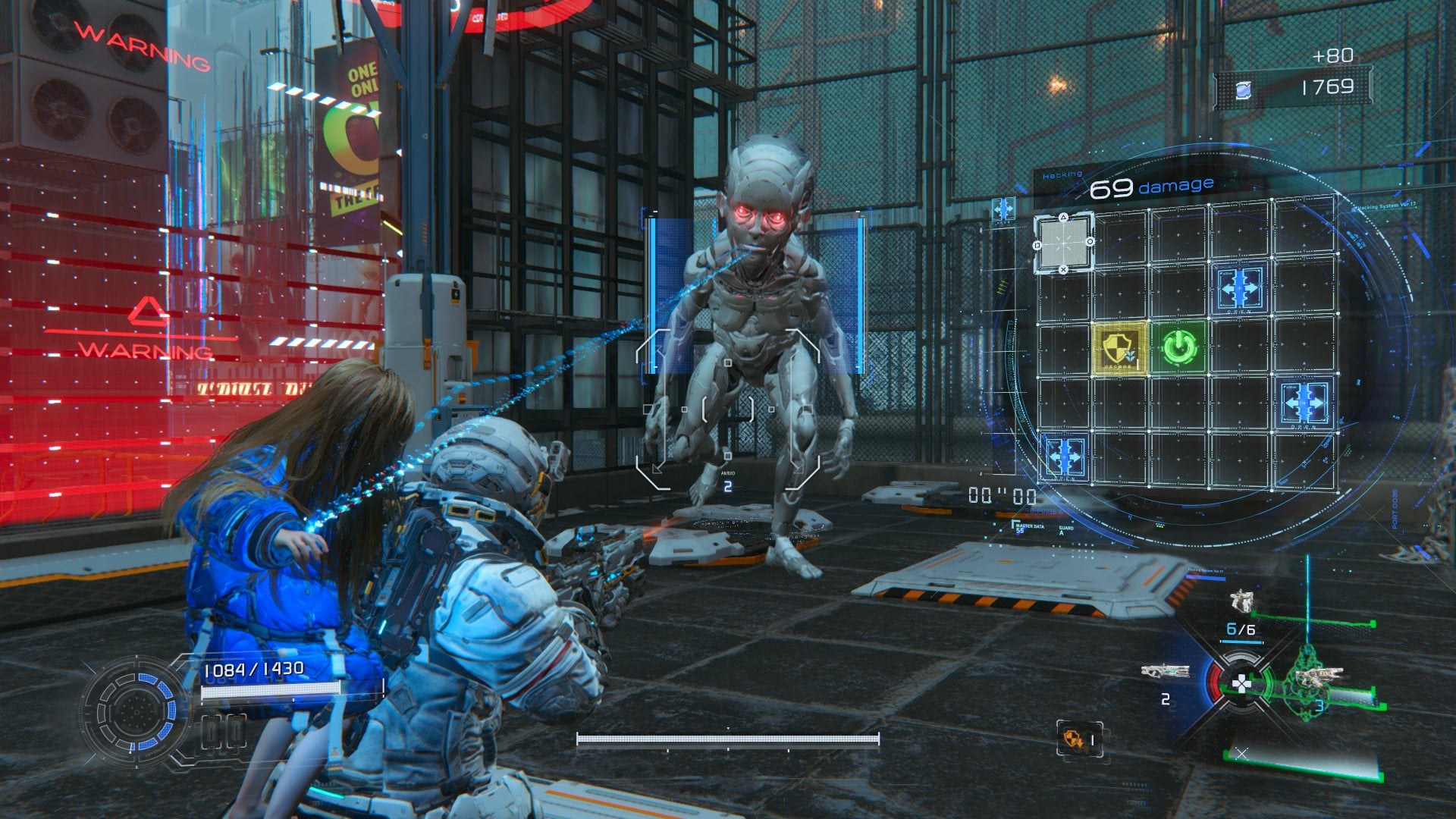
Pragmata excels by forcing players to multitask. Hugh handles the combat with a variety of guns and tactical decoys, while Diana manages real-time hacking puzzles. These hacking sequences appear as grids on your HUD, requiring you to navigate hazards and obstacles using face buttons while simultaneously dodging enemy fire. You cannot succeed by relying on one character alone; success requires a synchronized dance of shooting, dodging, and hacking.
Strategic Depth and Progression
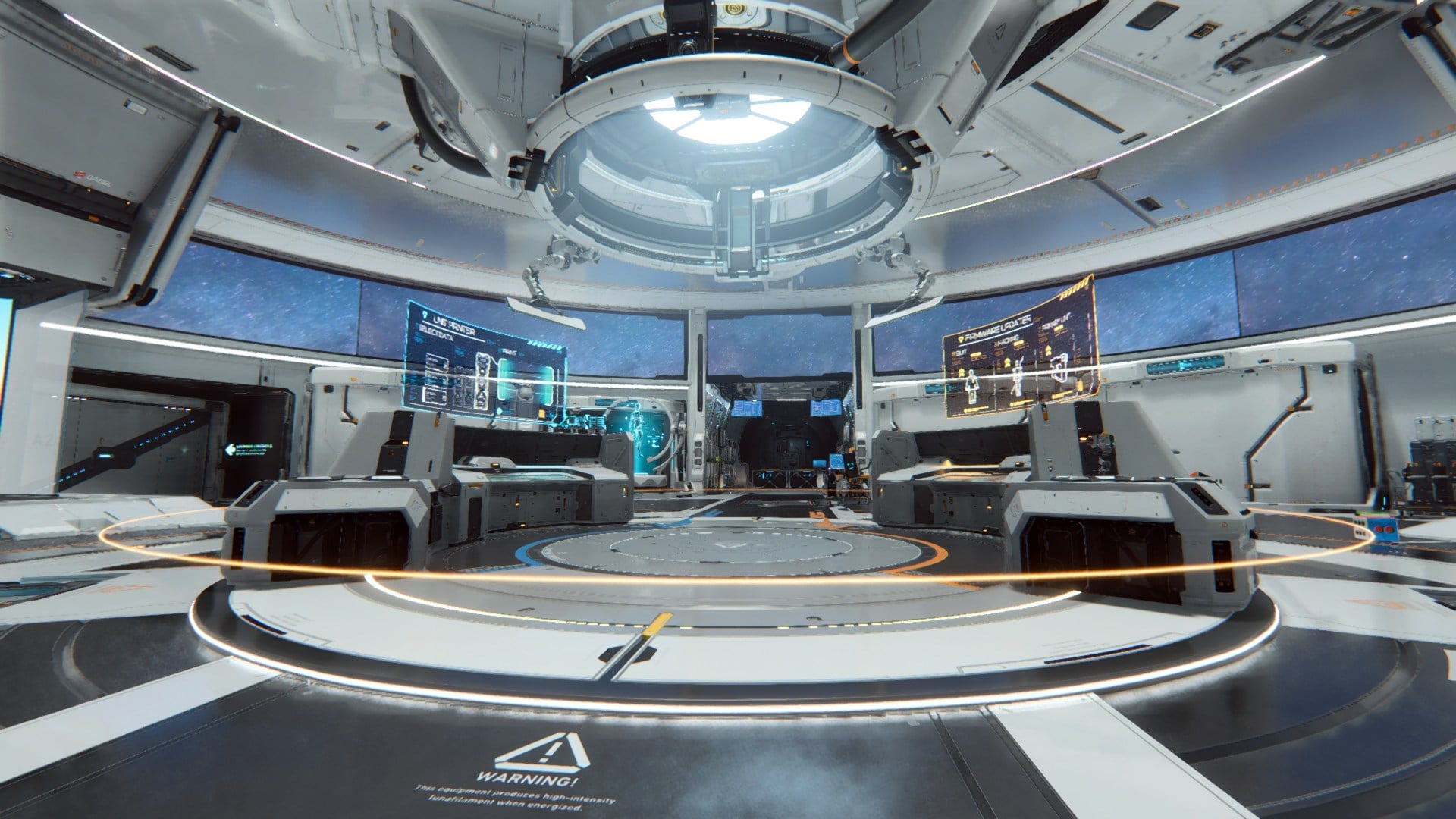
Progression is deeply tied to the duo’s relationship. Resources are scarce, forcing players to return to their base frequently. During these downtime moments, you upgrade gear and watch Diana interact with holographic toys—a small touch that reinforces their bond. Upgrading Hugh’s agility and Diana’s thermal-hacking capabilities creates a satisfying flow state, turning what starts as a challenging, slow-paced combat loop into a masterclass of tactical execution.
A Heartfelt Conclusion
At 10 to 12 hours, Pragmata knows exactly what it wants to be. It avoids the trend of over-bloating content, opting instead for a tight, intentional experience. While many games treat parenthood as a dark, thorny struggle, Pragmata is for those who find joy in the act of protecting and guiding someone else. It is a rare, earnest title that proves that even in a world of artificial copies, the most essential thing in gaming is still the human touch.