
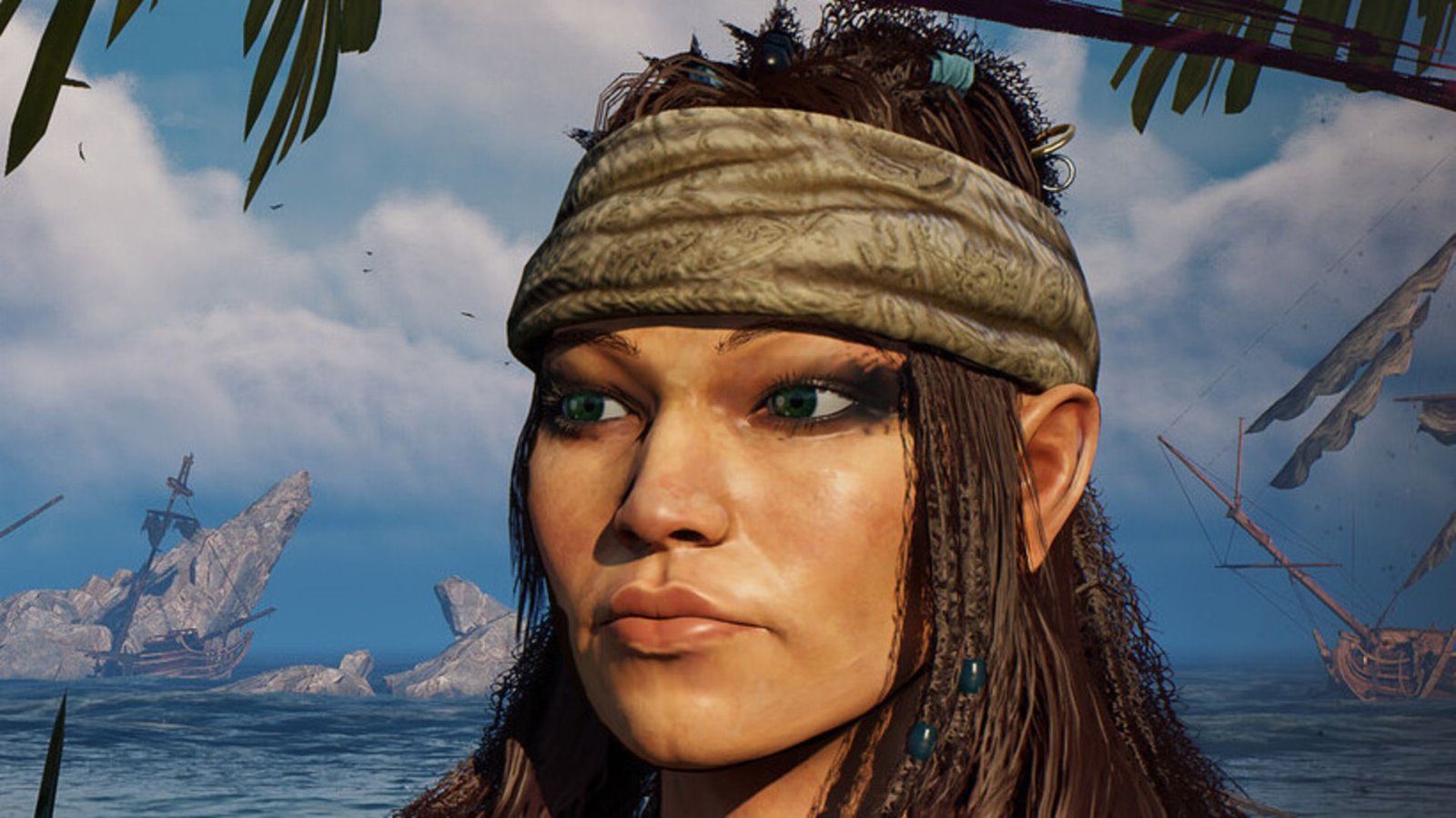
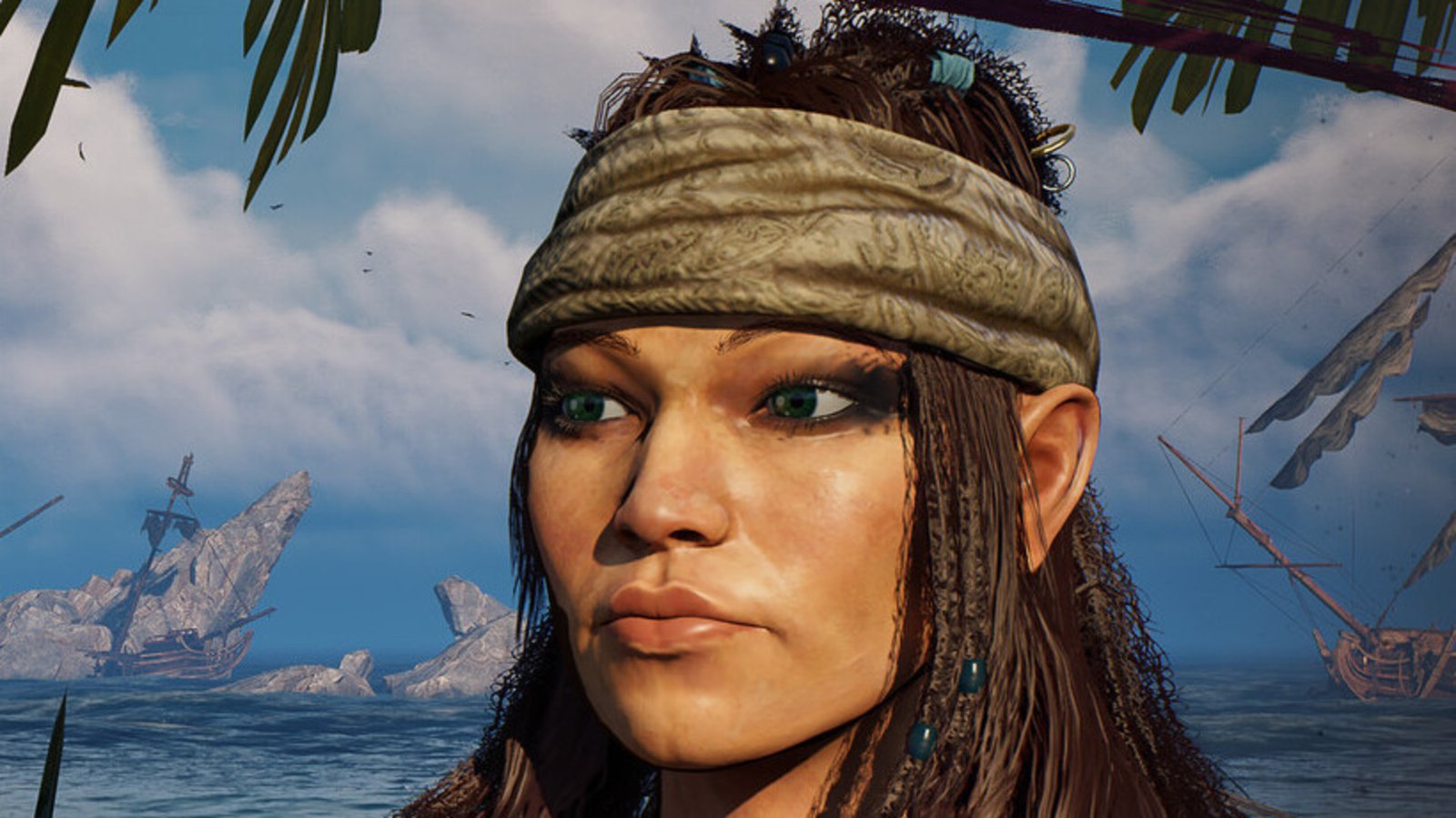
Since its early access launch in mid-April, over 1.5 million players have set sail in the open-world pirate survival game Windrose. While the community is busy living out their high-seas fantasies, the game’s blend of harsh survival challenges and surprisingly generous “cheat-style” forgiveness has created a unique, addictive loop that keeps even struggling players coming back for more.
The Struggle of the Open-World Pirate Life
As a fan of survival-crafting games, I expected to dive right into Windrose with ease. Instead, I found myself hitting a wall. While other players seemed to be commandeering massive pirate ships effortlessly, it took me over six hours of gameplay just to acquire my first real vessel. At first, I questioned if the game was too difficult, or if I simply lacked the pirate spirit. However, the true genius of Windrose lies in how it handles failure.
In most survival games, death is a progress-killing event that often leads me to abandon the title for months. Windrose, however, is remarkably forgiving. When I die, I don’t lose my drive to play; I just need a brief breather. The game provides every tool necessary to recover and keep moving, turning what should be a masochistic experience into a logical, manageable progression.
Death Without the Usual Penalty
Early on, the deaths were comical—like being launched into space by a boar within minutes of starting the demo. But as the stakes grew higher, the frustration of dying while trying to free crewmates became real. That is where Windrose differentiates itself from the pack.
The game ensures you are never truly set back to square one. You wake up with your gear intact, food in your hotbar, and a helpful doctor nearby who provides health potions. Perhaps most importantly, the map features a giant marker pointing exactly to your place of death, and a system that preserves your inventory status. This removes the “naked and afraid” phase that plagues other games in the genre, keeping morale high enough to attempt the challenge again immediately.
Navigating the Hurdles of Early Progression
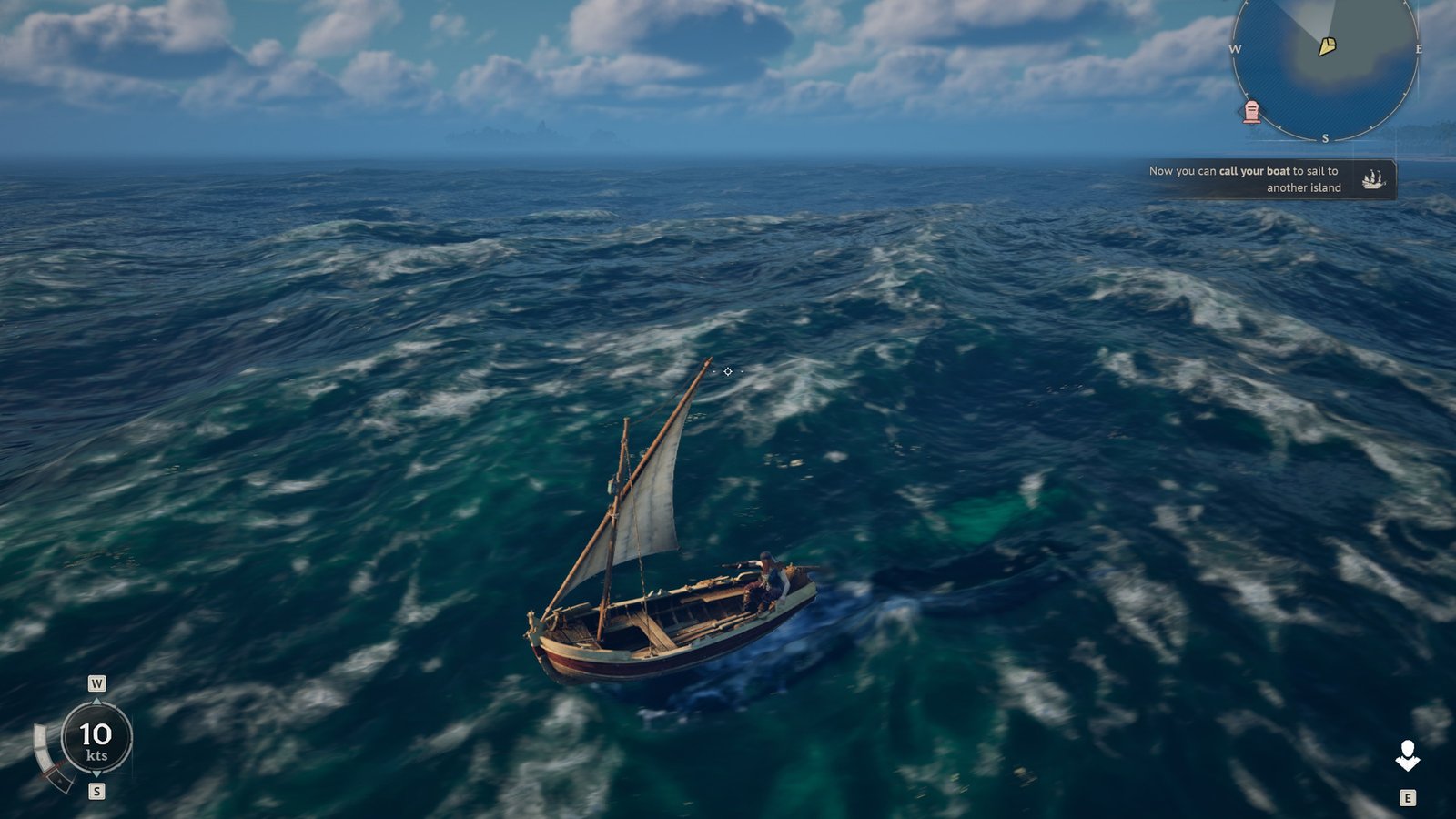
Despite its kindness, Windrose doesn’t completely remove the grind. The early game is defined by a painfully slow, rickety sailboat—a vessel that barely manages 10 knots. Navigating the open ocean in this tiny boat can feel like an eternity, especially after a death forces you to sail back to a distant island.
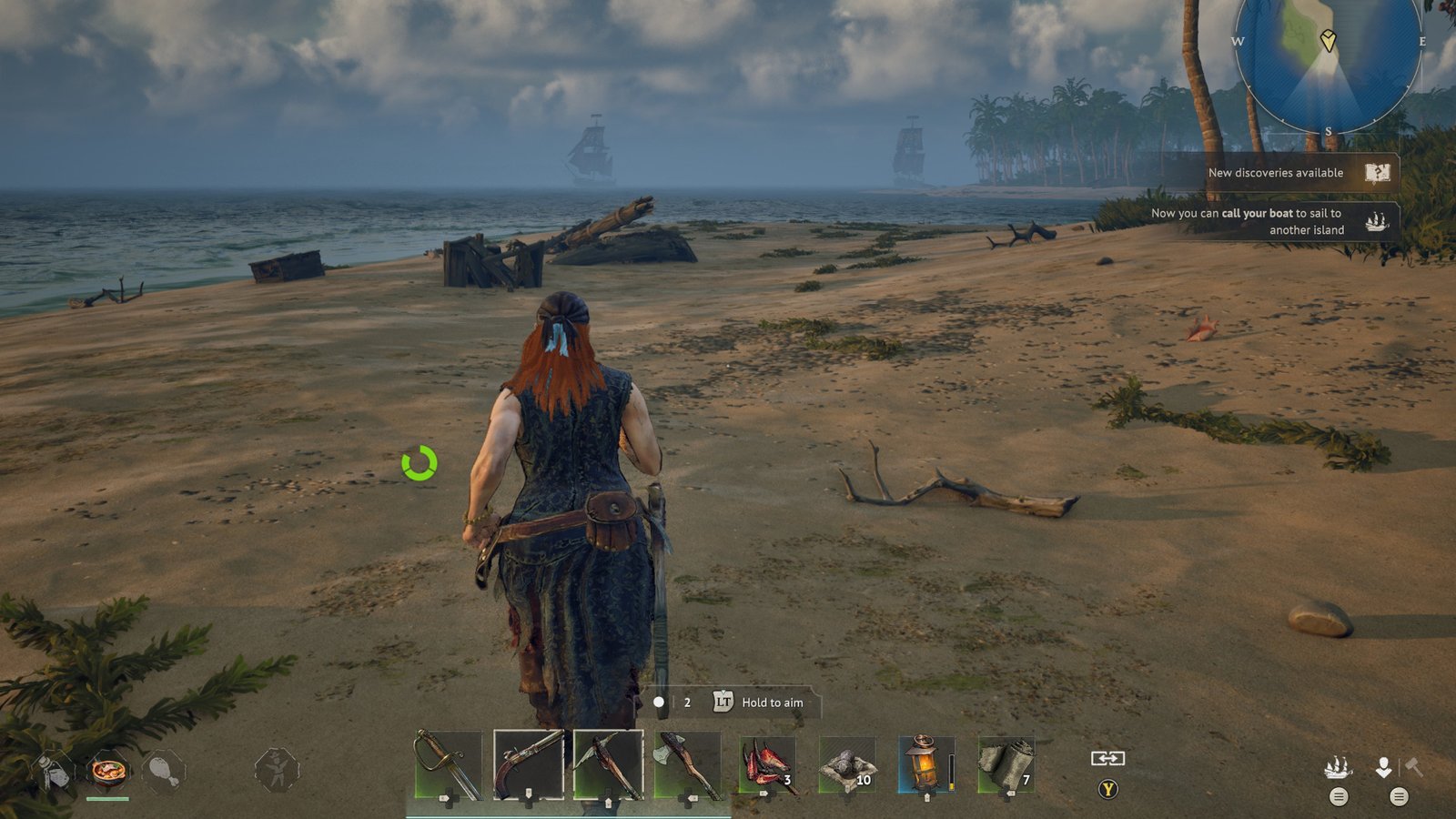
However, once you overcome these initial hurdles, the game opens up beautifully. Through a mix of smart strategy—and a little bit of “cheese” involving fast-travel bells—I finally secured my own pirate ship. The transition from that slow starter boat to a formidable vessel capable of taking on Blackbeard’s gunboats is immensely satisfying.
A Pirate Adventure Within Reach
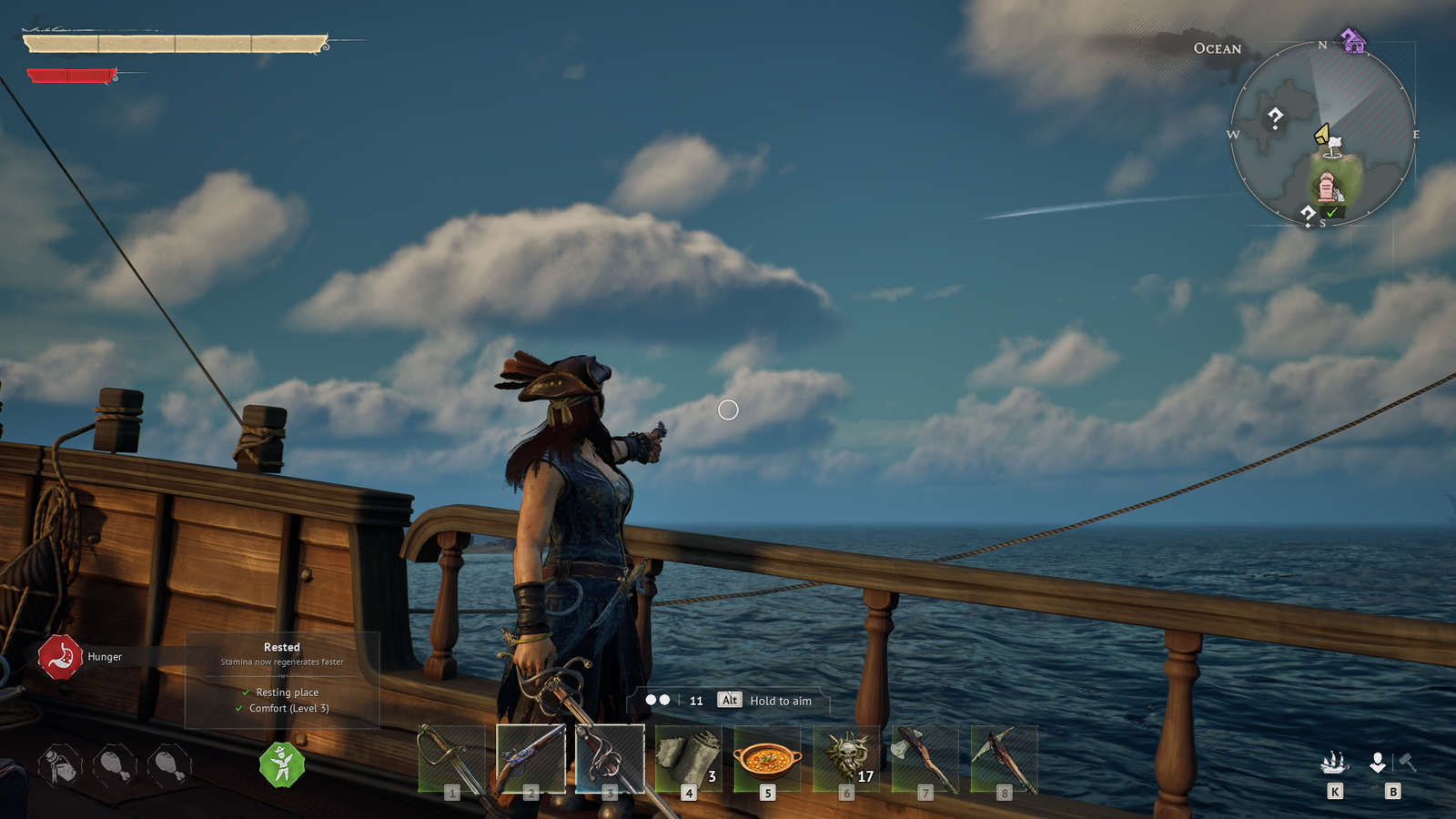
Now that I have a loyal crew and a ship I can upgrade, the world of Windrose feels truly expansive. The game balances the cruelty of a typical survival title with a player-centric design that makes exploration, looting ruins, and hunting for buried treasure accessible to everyone. By lowering the barrier to entry without sacrificing the core survival loop, Windrose has ensured that my pirate adventure is always just one horizon away.