
Riot Games leadership recently faced an unexpected and awkward education on internet slang when a presentation at a company event mistakenly pivoted to explaining the explicit definition of “gooning.”
A Surprise Lesson in Modern Slang
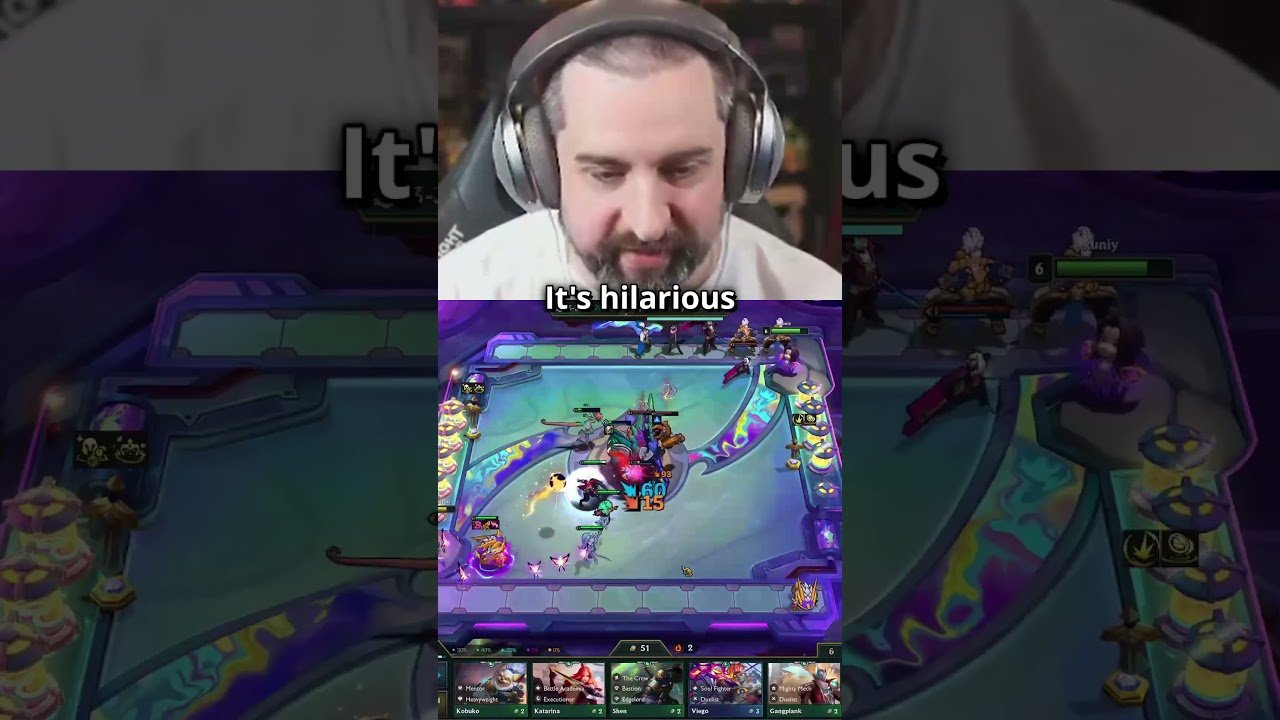
Steven ‘Mortdog’ Mortimer, the gameplay director for Teamfight Tactics, shared the anecdote during a recent stream. Admitting he might face internal backlash for the reveal, Mortdog recounted how the subject came up during a leadership conference. “At the leadership thing I was at—and I’m not kidding—at one point on stage they were talking about how they didn’t know what the word ‘goon’ meant, and then they started talking about what ‘gooning’ meant,” he explained.
The Evolution of ‘Gooning’
For those unfamiliar with the term’s recent shift in meaning, “goon” no longer exclusively refers to a generic henchman or an Arsenal football fan. In modern online parlance, the term has evolved to describe intensive self-pleasure, or more broadly, a state of extreme “horniness” often applied to the way fans interact with scantily clad fictional characters.
League of Legends and Fan Service
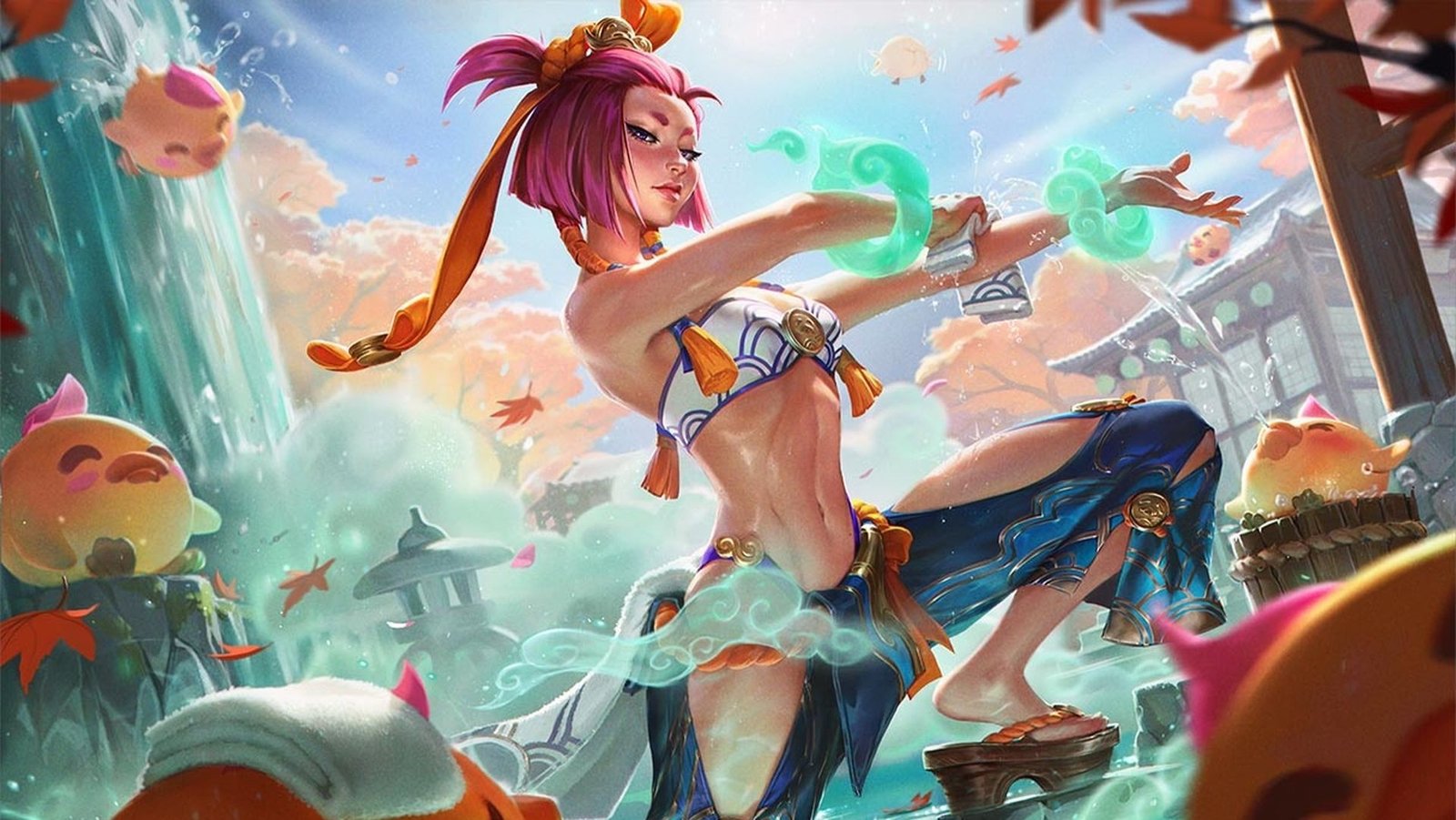
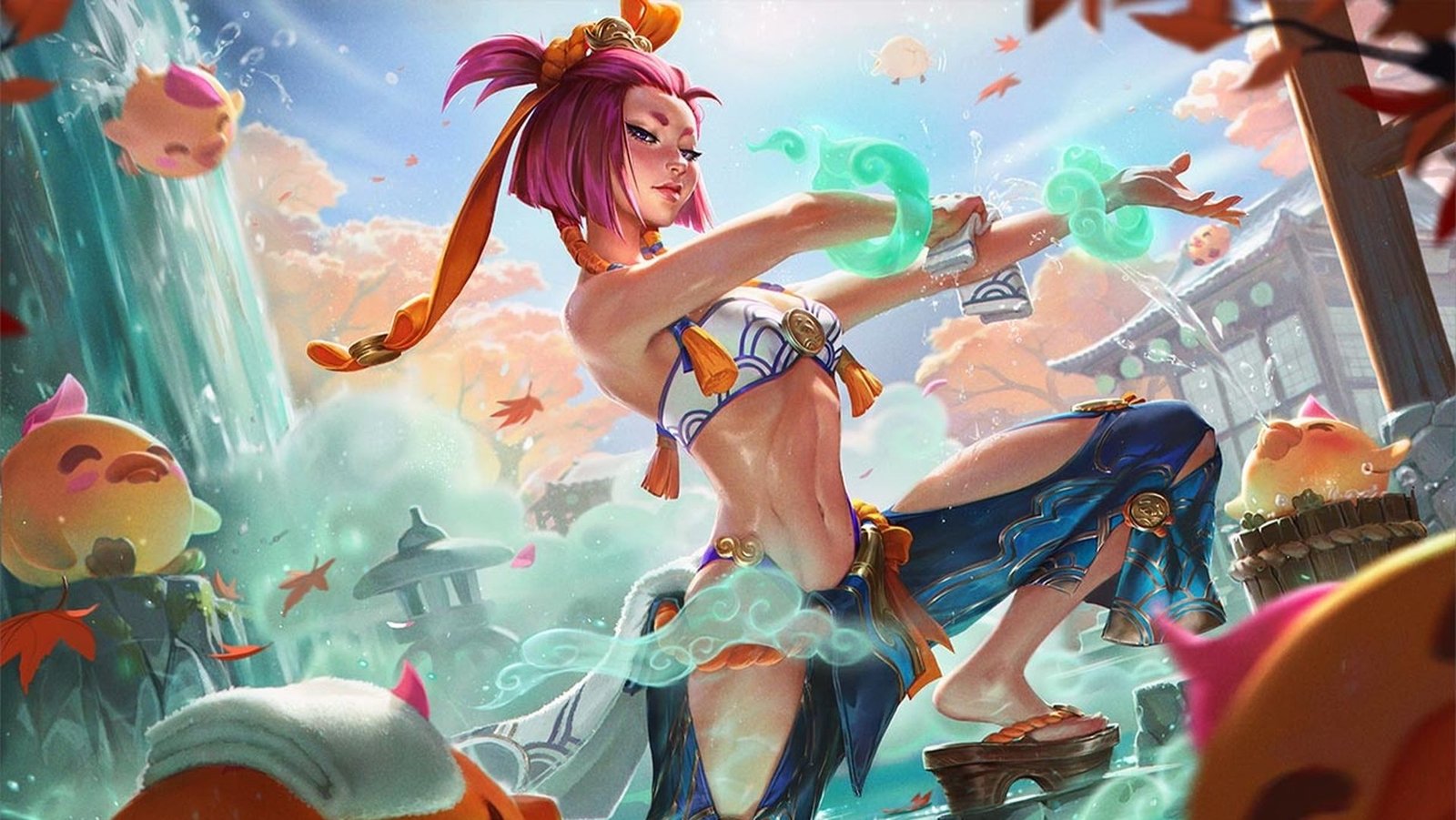
The discussion is particularly relevant given League of Legends’ history with character design. The game has frequently been criticized or praised for its roster of attractive female characters and skin-based fan service. From the infamous “Battle Bunny” Riven skin—which Riot has since attempted to distance itself from—to the recent release of champion Yunara, whose hot springs-themed cosmetic caused quite a stir, the developer is no stranger to the intersection of character design and fan attraction.
Who Was Behind the Presentation?
While Mortdog opted not to name the specific individuals on stage who initiated the explanation, he noted that the context of the presentation made the moment “funny,” even if it sounds absurd when taken out of that environment. Whether the explanation was delivered by an HR representative, an outside consultant, or perhaps someone higher up the corporate ladder remains a mystery. Regardless of who was on stage, the incident serves as a stark reminder of the disconnect that can exist between corporate leadership and the rapidly changing vocabulary of the internet culture their games inhabit.