
Dragon Quest VII Reimagined arrives as the definitive way to experience the classic JRPG, offering a streamlined, modernized journey that breathes new life into the beloved title. Developed to replace the now-inaccessible PlayStation and 3DS versions, this remake prioritizes approachability and visual charm, though veteran players may find its reduced difficulty a double-edged sword.
A Nostalgic Journey Through Time
The narrative remains a cornerstone of the experience, casting players as a protagonist who discovers an ancient map fragment hinting at lost islands beyond their home of Estard. By traveling back in time to resolve the crises plaguing these lands, players restore them to the present day. The story captures a whimsical, Y2K-era charm reminiscent of titles like Kingdom Hearts, successfully balancing high-stakes apocalyptic tension with a sense of wonder that has aged remarkably well.
Fresh Visuals and Vocal Personality
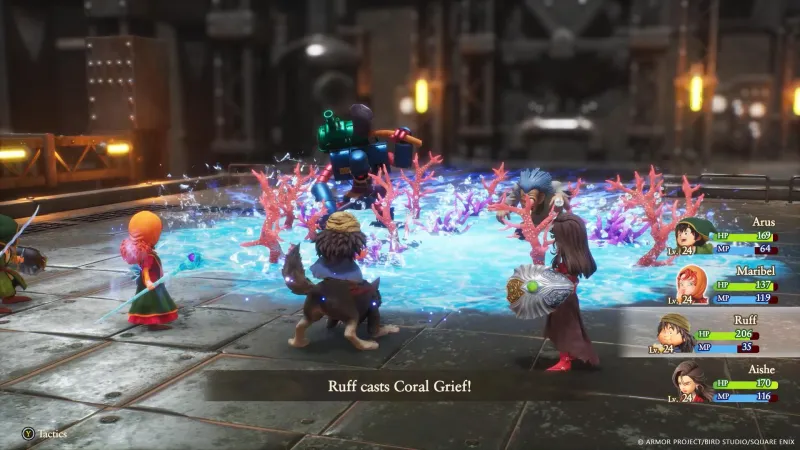
Moving away from the HD-2D trend seen in other recent remakes, Dragon Quest VII Reimagined retains 3D graphics but adopts a unique, handcrafted, doll-like aesthetic for its character models. While the stylized proportions—featuring slightly larger heads—take time to adjust to, they strike a successful balance between the original game’s geometry and the modern polish of Dragon Quest XI.
The most significant upgrade, however, is the addition of full voice acting. This inclusion adds layers of personality to the cast, effectively highlighting the wisdom of Sir Mervyn and the stubborn nature of Prince Kiefer, making the characters feel more vibrant than ever before.
Innovative Combat: The Moonlighting System
The classic turn-based combat returns with a major evolution: the Moonlighting feature. By allowing characters to equip two Vocations simultaneously, the game introduces unprecedented levels of customization and strategic depth. Players can experiment with unique synergies, such as combining Mage and Priest roles to handle both offense and defense. Furthermore, the system efficiently manages proficiency points; if one Vocation is maxed out, excess points automatically transfer to the second, ensuring no progress is wasted.
The Challenge Gap
Despite the depth of the new combat systems, the game suffers from a lack of friction. Early access to powerful multi-target spells like Bang and Boom allows players to clear standard encounters with ease. Furthermore, the ability to toggle off enemy pursuit in the open field removes much of the danger traditionally associated with exploration. While boss battles remain intense and require tactical precision, normal encounters often feel like an afterthought.
Customizable Difficulty for Every Player
To mitigate the balance issues, the developers have included a robust suite of difficulty settings. Players can choose between presets or manually adjust parameters like EXP gain and damage modifiers. Additionally, the inclusion of clear objective markers significantly reduces the frustration of hunting for map fragments, making the overall progression feel more fluid.
Dragon Quest VII Reimagined succeeds as a welcoming, modernized gateway to a classic adventure. While it may have sanded down the edges of the original’s difficulty, its endearing presentation and flexible mechanics make it a rewarding expedition for both newcomers and returning fans.