
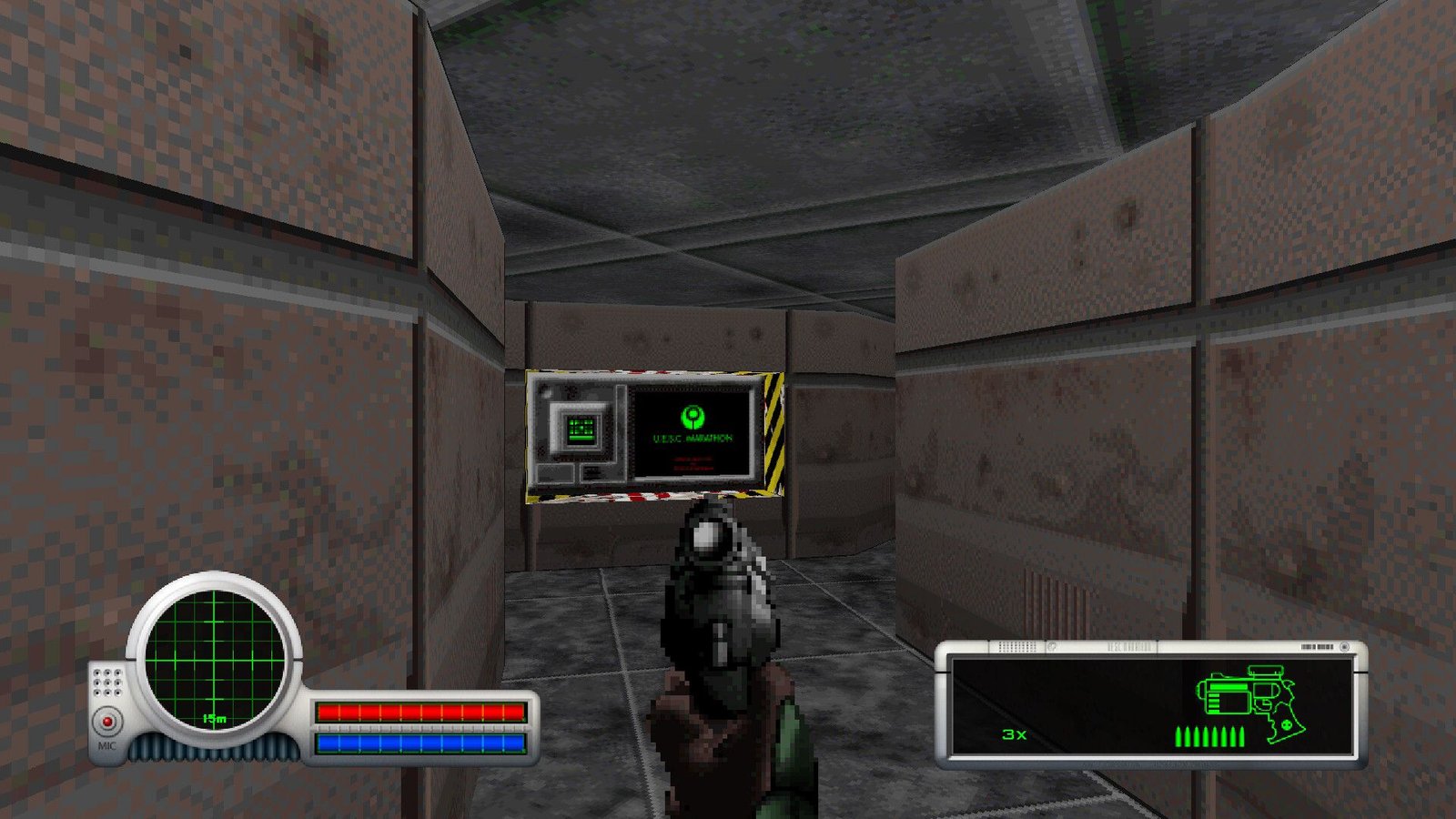
For the past two weeks, I have immersed myself in both the 1994 sci-fi classic Marathon and this year’s multiplayer reboot to analyze how Bungie’s core design philosophy has shifted over three decades. While they share a namesake, these two titles represent fundamentally different approaches to world-building, narrative stakes, and player engagement.
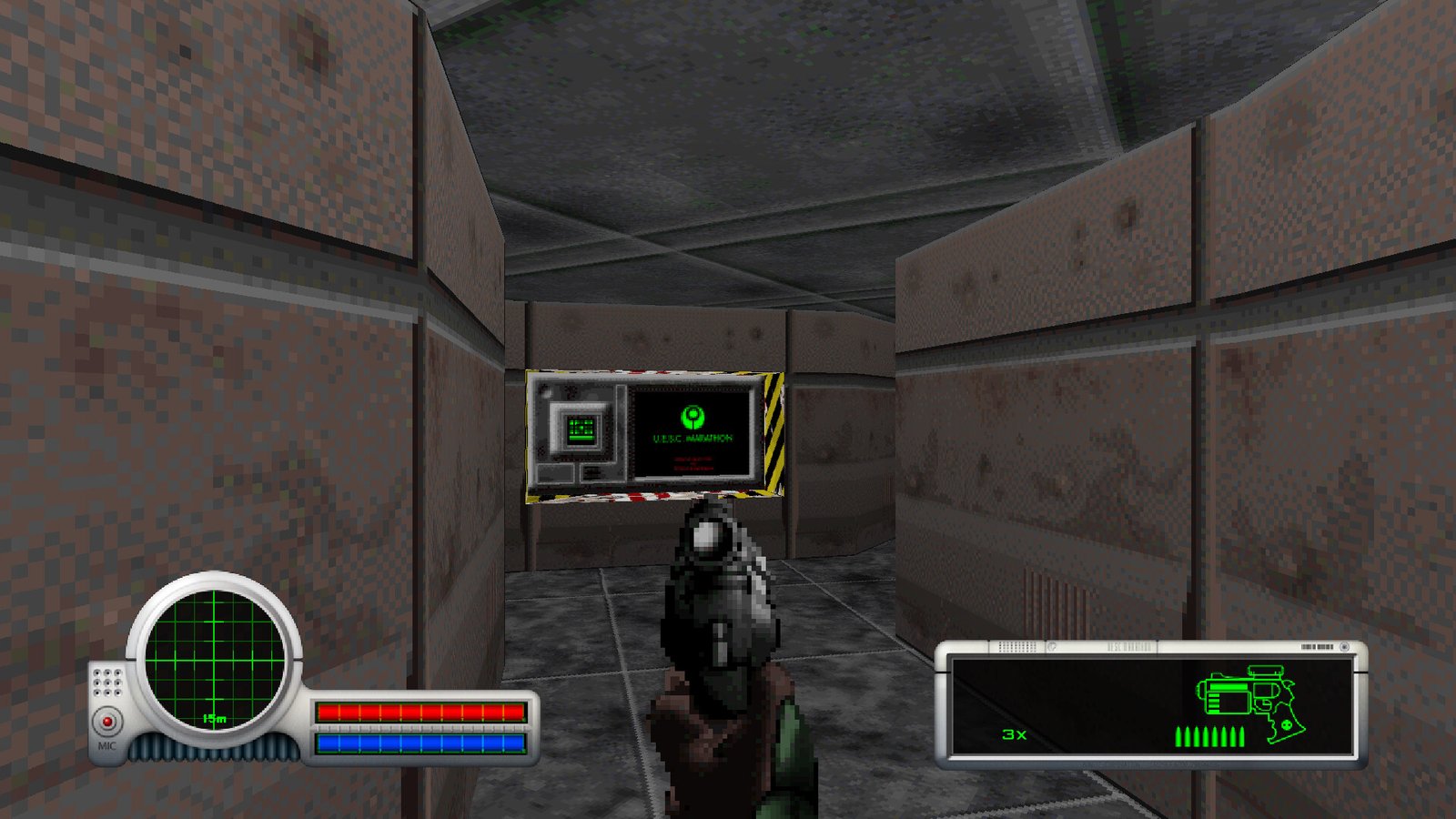
The Kinetic Tension of the 1994 Original
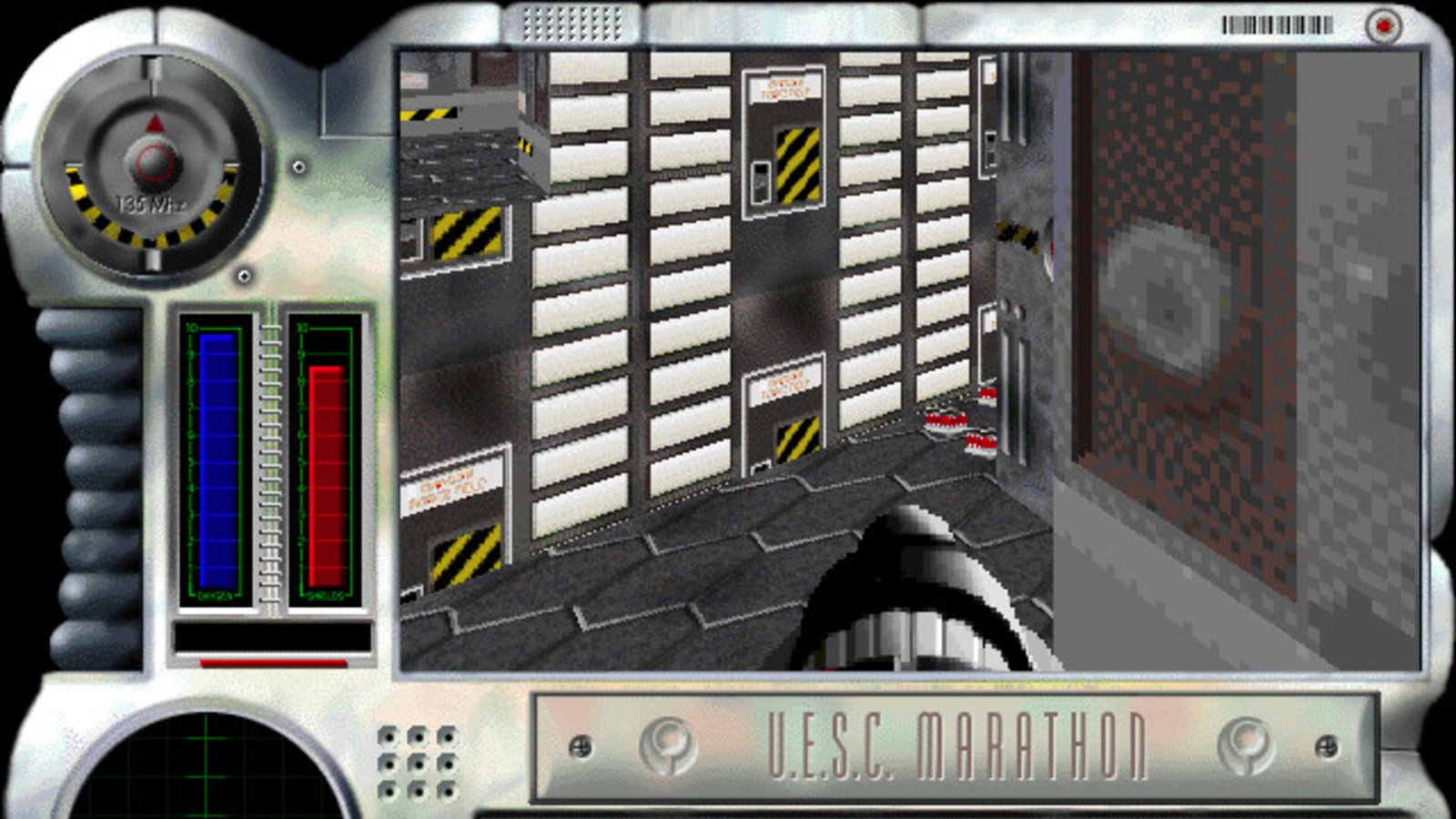
The 1994 Marathon stands alongside Doom and Quake as a quintessential “boomer shooter,” defined by blistering speed, complex level design, and non-linear exploration. Its greatest strength lies in claustrophobic environments where light and shadow are used to hide threats, keeping the player in a state of constant, heightened alertness.
The survival mechanics are particularly unforgiving. Without automatic health regeneration or manual saves, every encounter is a gamble. Players must hunt for health stations while navigating levels where death means losing significant progress. This lack of safety nets forces a strategic, high-stakes style of play that makes every movement feel consequential.
Modern Marathon: The Evolution of Dread
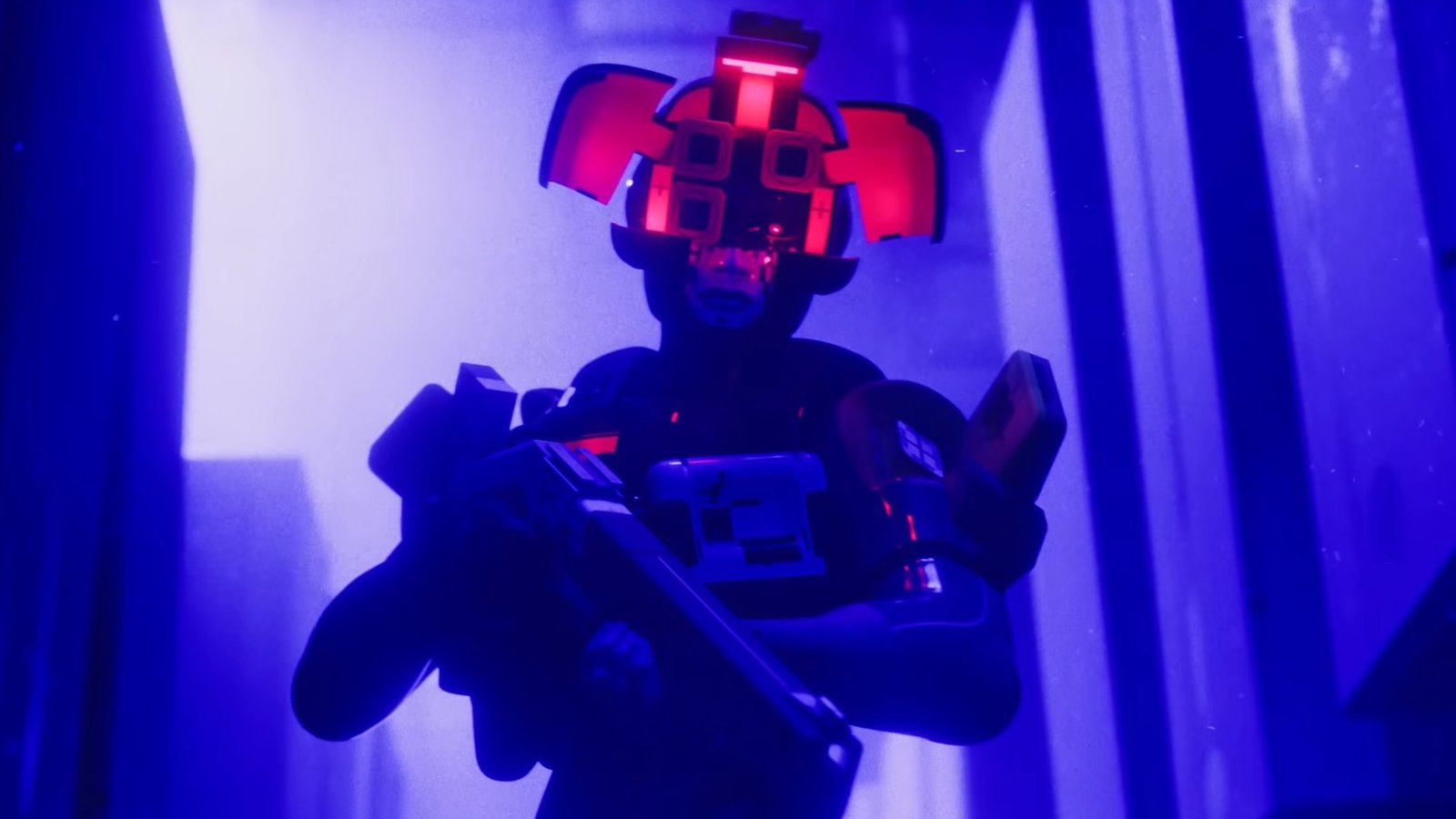
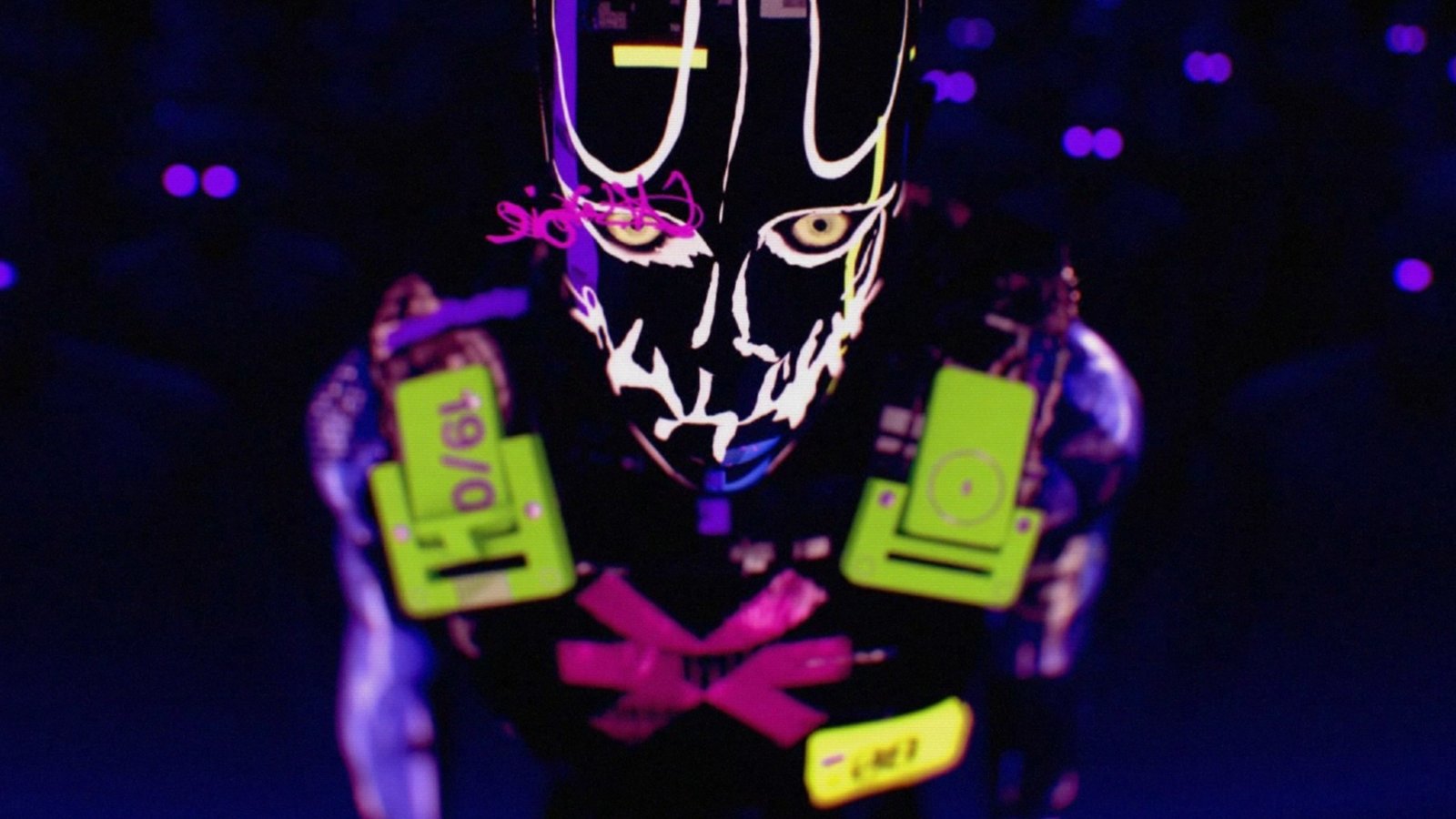
Surprisingly, the stress of the original carries over into the modern reboot, albeit through a different lens. While the new Marathon is mechanically more polished, it leverages the high-tension “extraction shooter” genre to create its own brand of anxiety. Because death in the modern iteration results in the loss of all equipped gear, the fear of failure remains a constant companion.
Deciding whether to risk high-tier loot or rely on “sponsored kits”—pre-made, free loadouts—creates a persistent mental tug-of-war. These kits offer safety but leave you at a distinct disadvantage against upgraded human opponents and formidable AI, forcing a strategic, on-the-run playstyle that mirrors the necessity of the original game’s resource management.
Narrative Depth vs. Live-Service Utility
The 1994 Marathon was a narrative pioneer. As a security officer aboard the UESC Marathon, players were thrust into existential dialogues with Durandal, a morally ambiguous AI. These terminals explored profound themes like consciousness, free will, and identity, setting a standard for story-driven FPS games that Bungie would later refine in Halo.
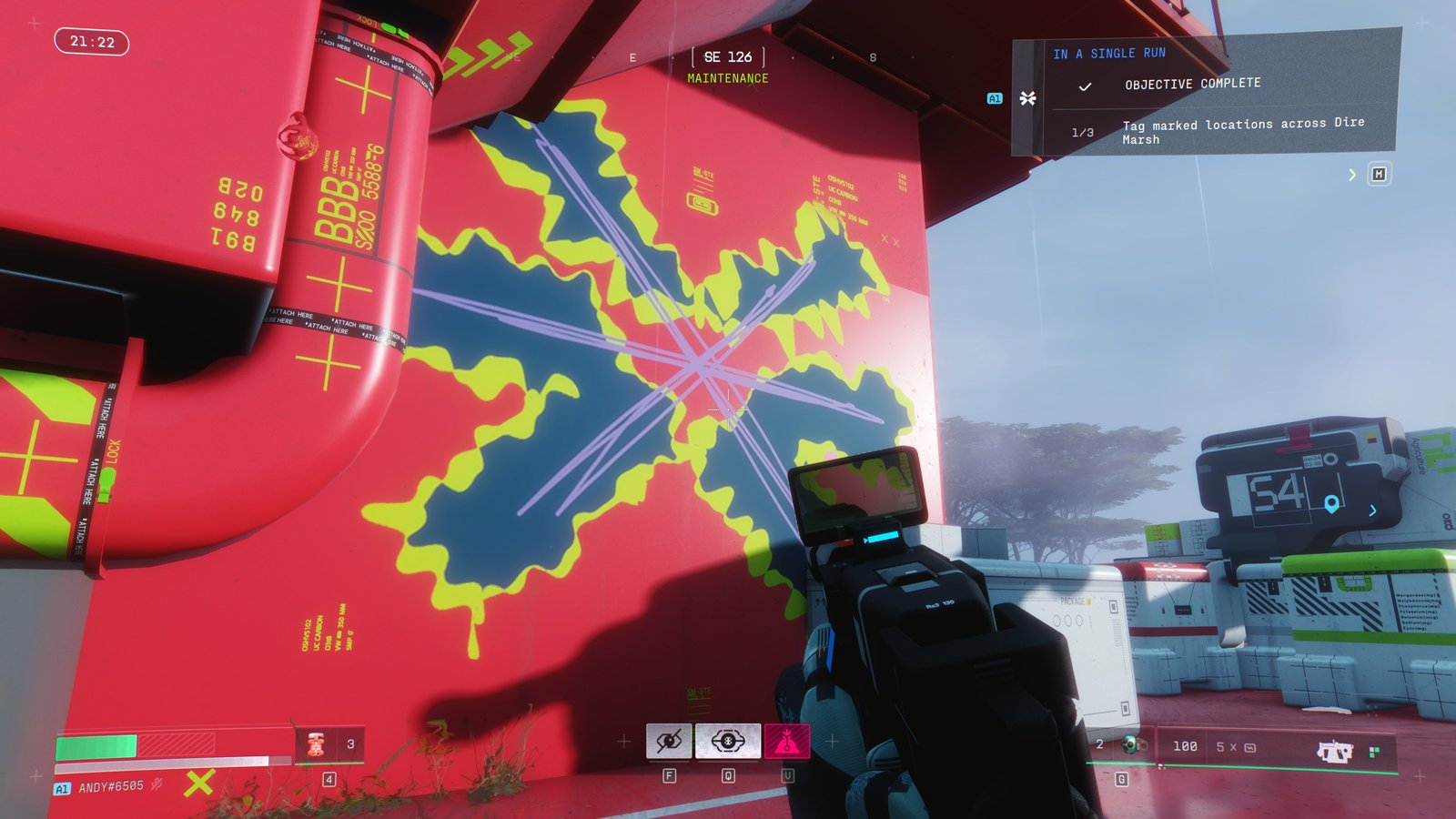
In contrast, the modern Marathon uses its lore as a backdrop for its live-service loop. While maps like the Cryo Archive are packed with references to Durandal and the original timeline, these elements serve primarily to contextualize the extraction gameplay. Story snippets and contracts exist to justify repetitive challenges, prioritizing tangible rewards over the deep, philosophical inquiry of the 1994 original.
Bungie’s Pivot to Perpetual Engagement
Bungie’s legacy was built on “one-and-done” single-player experiences. However, the studio has clearly moved toward the live-service model as a means of creative and financial evolution. By treating a single title as a living platform, Bungie can iterate on world-building and competition indefinitely, rather than relying on the limited engagement cycles of traditional sequels.
The current Marathon follows the blueprint established by Destiny, merging lore-heavy environments with competitive multiplayer updates. This model allows Bungie to satisfy players who crave deep world-building while providing hardcore fans with a steady stream of new maps and tactical challenges.
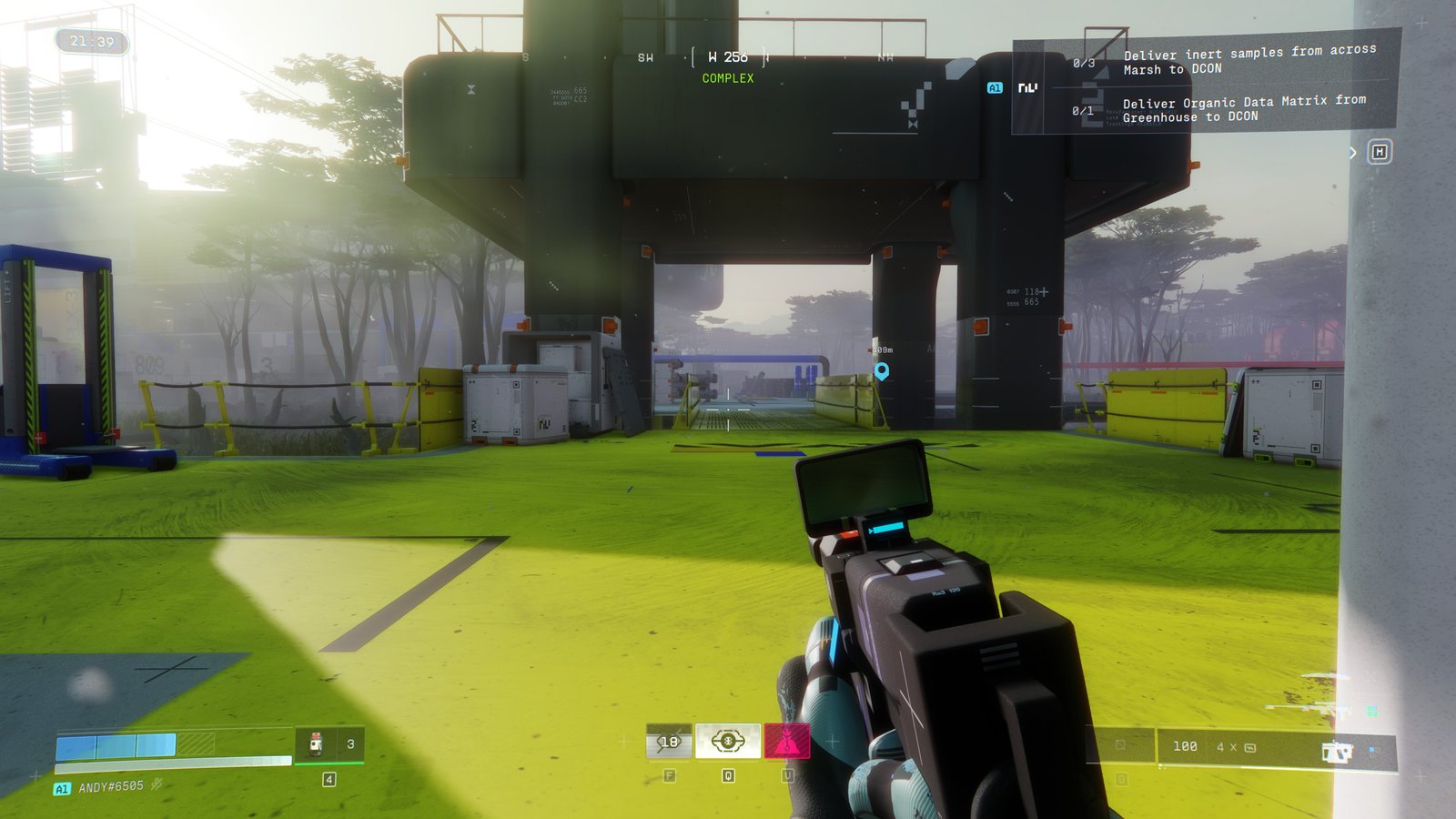
While my time with the 1994 Marathon felt like a complete, self-contained journey, the modern reboot is designed to keep evolving. After 70 hours of sneaking through its corridors, it is clear that while the *feel* of the game has shifted from solo survival to multiplayer extraction, the core DNA of Bungie’s design remains firmly rooted in high-stakes, atmospheric tension.