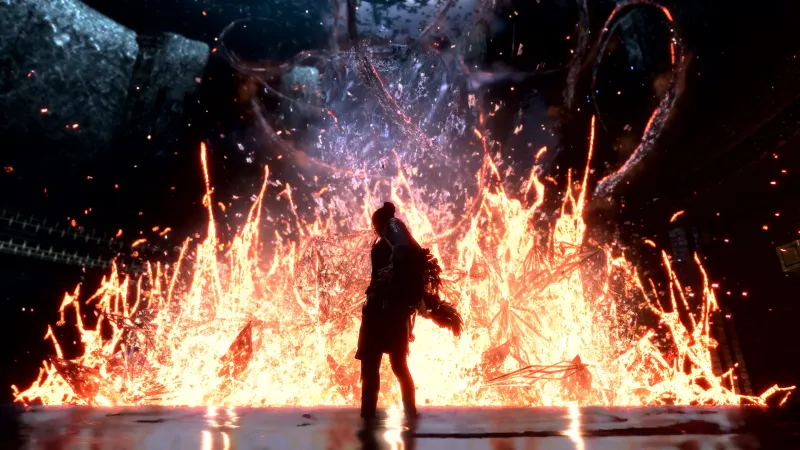

A Plague Tale: Requiem, the ambitious sequel to Asobo Studio’s 2019 hit A Plague Tale: Innocence, delivers a massive, Odyssean expansion of the series’ scope and storytelling that far exceeds typical sequel expectations, despite some pacing issues in its first half.
A Journey of Survival and Growth
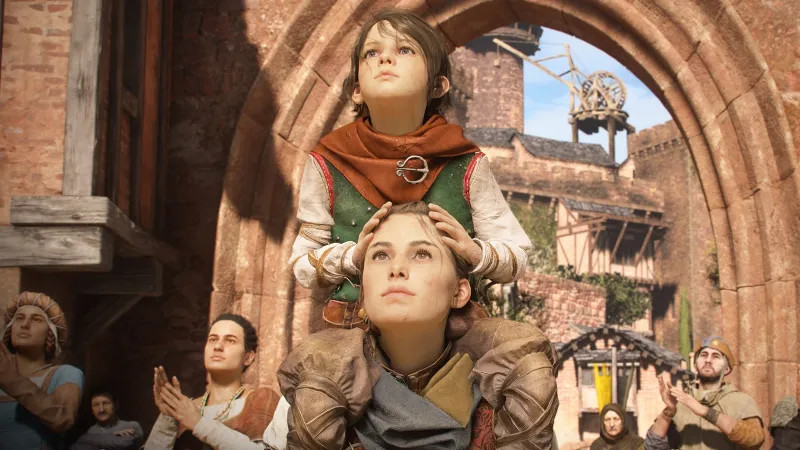
Set six months after the original game, Requiem follows siblings Amicia and Hugo de Rune as they struggle to find normalcy amidst the looming threat of Hugo’s rat-infested Macula condition. While newcomers can piece together the narrative, playing Innocence is highly recommended to grasp the emotional stakes. As the plague resurfaces, Amicia is forced back into her role as a protector, leading her, Hugo, and the alchemist Lucas on a journey south to a mysterious island in search of a cure.
Pacing Hurdles and Technical Stumbles
While the new setting promises fresh gameplay, the journey to reach the island is arguably too long. The first 10 to 12 hours feel remarkably similar to the original game, occasionally dragging as the narrative moves toward the boat. During this phase, I encountered minor technical issues, including distracting framerate drops, visual bugs, and one hard system crash. However, these hours are buoyed by the introduction of standout characters like the battle-hardened Arnaud and the pirate queen, Sophia.
The Island: Where the Game Shines
Once the narrative shifts to the island, the game finds its true rhythm. The pacing accelerates, introducing a compelling cult, deep lore, and a sprawling environment that functions like a miniature open world. Whether exploring ancient underground ruins or battling secretive slavers, the level design is consistently engaging. Mechanically, the game hits its stride here, particularly through ingenious puzzles that utilize the rats’ aversion to fire, allowing for satisfying stealth kills that never lose their appeal.
Visual Splendor and Cinematic Flair
Requiem is a visual triumph. Asobo has utilized a painterly aesthetic with unique color palettes that perfectly mirror the medieval atmosphere. From the grayscale tones during moments of encroaching darkness to the vibrant, scenic beauty of the island’s blooming coast—which I frequently captured using the game’s photo mode—the title is a feast for the eyes.
Gameplay Evolution and Bombastic Action
The gameplay loop is bolstered by new mechanics, such as Amicia’s powerful crossbow and Hugo’s ability to control rat swarms to dismantle enemies. The game also incorporates exhilarating, Crash Bandicoot-style escape sequences that provide a high-octane break from the more measured, stressful stealth segments. The sheer scale of the experience is significantly larger than its predecessor, pushing the series into more epic territory.
Reflections on a Tense Saga
While the game could have benefited from a tighter edit to improve pacing, the content remains high-quality throughout. The experience is undeniably tense and emotionally grueling, as Asobo leans heavily into the suffering of the de Runes. However, the developer’s mastery of stealth mechanics and grandiose storytelling ultimately makes the 20-plus hour journey worthwhile. Requiem is not just a sequel; it is a bold, impressive evolution that leaves the franchise in a position of strength, whether Asobo chooses to continue the saga or take a well-deserved hiatus.