
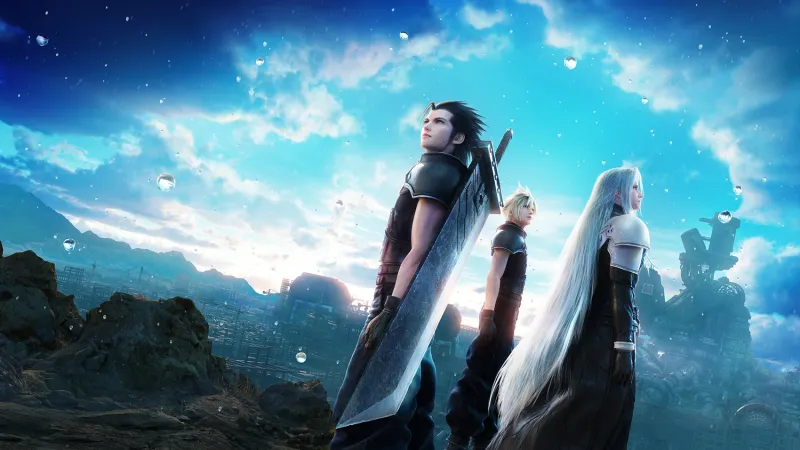
Crisis Core: Final Fantasy VII Reunion arrives as a remarkably faithful remaster of the 2007 PSP classic, successfully updating the gameplay for modern audiences while preserving the original narrative—flaws and all. In an era where the Final Fantasy VII universe is undergoing a massive identity shift, this release serves as a vital bridge, maintaining the core story integrity while Square Enix continues to reshape the series’ canon through the ongoing remake project.
Understanding Zack Fair’s Pivotal Role
Set before the events of the main game, Crisis Core follows the journey of 1st Class Soldier Zack Fair. For players whose introduction to this universe began with Final Fantasy VII Remake, Zack’s narrative is an essential piece of the puzzle, clarifying his complex relationship with Cloud and Sephiroth. Playing through this title provides necessary context, shedding light on the mysterious cameo that concludes the Remake and setting the stage for future installments.
A Dated Narrative Experience
While the game’s conclusion is undeniably thrilling and leads perfectly into the original Final Fantasy VII, the path to that finale often feels like a relic of 2007. Despite high-quality voice acting updates, the presentation remains rigid and sluggish. Dialogue sequences frequently suffer from awkward animations and long, unnatural pauses, making the pacing feel disconnected. The experience is often jarring, as the game constantly oscillates between rapid combat encounters and slow-moving, stilted cutscenes.
Combat Mechanics: The Highlight of Reunion
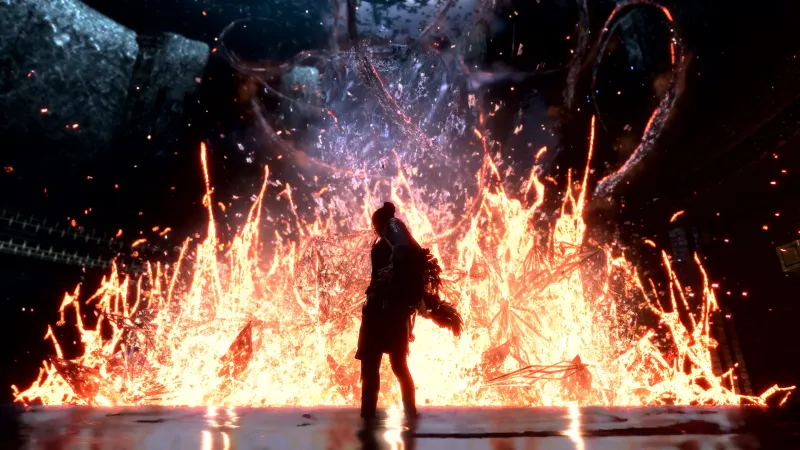
The combat system is where Reunion truly shines, benefiting from significant modern polish. Engaging enemies with sword strikes, magic, and special abilities feels fluid and visually impressive. While it lacks the sheer tactical depth and versatility seen in Final Fantasy VII Remake, the combat is polished enough to feel right at home within the current landscape of the series.
The Randomness of the DMW System
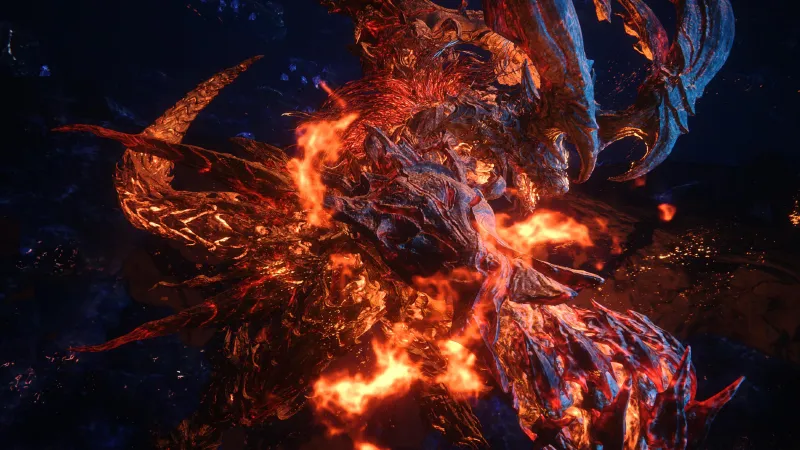
The Digital Mind Wave (DMW) remains the game’s most divisive feature. This slot-machine mechanic, which triggers random buffs or powerful summons based on characters met throughout the story, prevents true tactical planning. During challenging boss fights, players are often forced to rely on luck rather than skill, hoping for a random summon or ability to turn the tide. This design choice can make difficult encounters feel more like a grind than a rewarding test of ability.
A Necessary Chapter for Fans
Within the broader “Compilation of Final Fantasy VII,” Crisis Core functions as required reading. Its narrative weight is substantial and will undoubtedly become more relevant as the franchise continues to evolve. While the gameplay is fun and the final act is narratively brilliant, the journey itself can feel like a laborious school assignment. For those invested in the ongoing Final Fantasy VII saga, Reunion is a mandatory experience, provided you are prepared to do your homework.