
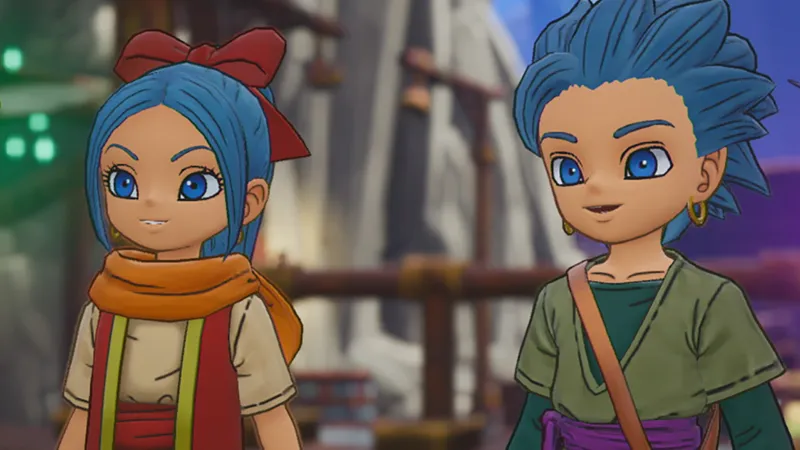
Dragon Quest Treasures, the latest spin-off in the iconic JRPG series, fails to evolve beyond its charming aesthetic, offering a repetitive loot-hunting experience that ultimately feels like a chore. Despite featuring beloved characters Mia and Erik from Dragon Quest XI, the gameplay loop—centered on sluggish combat and mundane exploration—struggles to maintain momentum throughout its 25-hour runtime.
A Prequel Without Purpose
While the game acts as a prequel to Dragon Quest XI, the narrative connection is minimal. Players follow the twins as they traverse the mysterious world of Draconia, tasked with hunting down seven magical Dragonstones. Though the story is heavy on exposition at the start, it serves merely as a backdrop for exploration. The plot lacks depth, but for those seeking a self-driven adventure, the lack of narrative stakes might prove to be a non-issue.
The Loop: Hunt, Appraise, Repeat
The core gameplay revolves around exploring open-world islands to uncover buried treasure. Players use “treasure visions”—glimpses provided by their monster companions—to triangulate the location of loot. While the concept is novel, it lacks the complexity needed to sustain a full game. Furthermore, the game forces players to return to base to appraise items, with limited inventory space and restrictive fast-travel mechanics that feel unnecessarily inconvenient.
Clunky Combat and Sluggish Mechanics
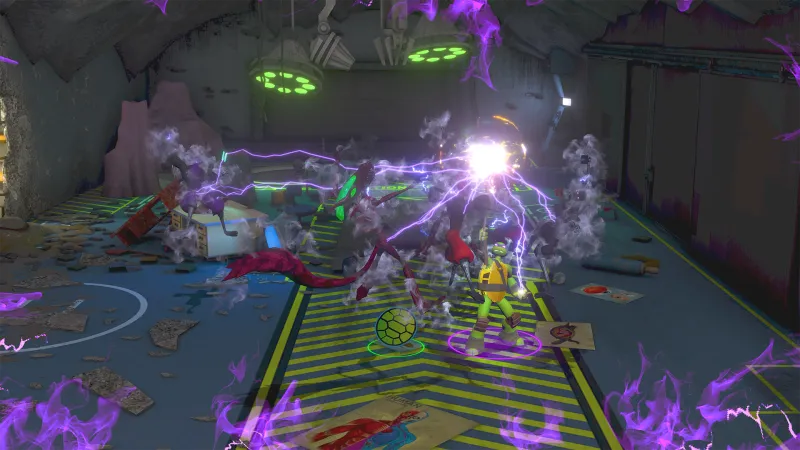
Abandoning the series’ signature turn-based combat for real-time action was a bold move, but one that falls flat. The controls are cumbersome; melee attacks feel unresponsive, and dodging is often ineffective because it fails to cancel out attack animations. The slingshot, intended to handle elemental damage, suffers from a finicky targeting system that makes combat more of a struggle against the interface than the enemies themselves.
Monster Synergy and Recruitment Limitations
The saving grace of the experience is the team management. Players recruit three monsters that act automatically, each possessing unique “Forte” abilities essential for traversal. While you cannot directly control their combat actions, their distinct personalities and predictable AI make them reliable companions. However, the recruitment process is frustratingly opaque, requiring specific items that are difficult to track down, often discouraging players from building their ideal party.
A Treasure or Just Trash?
The pursuit of the seven Dragonstones is the game’s primary objective, yet it is marred by poor communication. Many players will likely engage in unnecessary grinding, assuming the stones require boss encounters or high-level gear, when they are often easily accessible. Ultimately, Dragon Quest Treasures relies heavily on series nostalgia. For die-hard fans, the thrill of uncovering iconic relics may justify the grind, but for everyone else, the repetitive nature of the game makes it difficult to recommend over other, more refined open-world RPGs.