
Motive Studios has successfully resurrected the 2008 horror classic Dead Space, delivering a modernized experience that feels more terrifying, refined, and immersive than the original. By blending the core DNA of the survival-horror masterpiece with cutting-edge visuals and refined mechanics, this remake stands as a definitive version that honors its predecessor while elevating every aspect of the USG Ishimura nightmare.
A Familiar Nightmare, Reimagined
The story remains anchored in the harrowing journey of engineer Isaac Clarke, who boards the USG Ishimura to answer a distress call, only to find the mining vessel overrun by Necromorphs—reanimated, mutated corpses. While the core narrative flow remains largely intact, Motive has woven in deeper lore and continuity that aligns with later entries in the franchise. Most notably, Isaac is now a voiced protagonist, a change that provides much-needed emotional weight to the plot’s shocking revelations and twists. While some supporting performances feel slightly dated, the narrative depth is significantly improved.
Atmospheric Brilliance and Audio Design
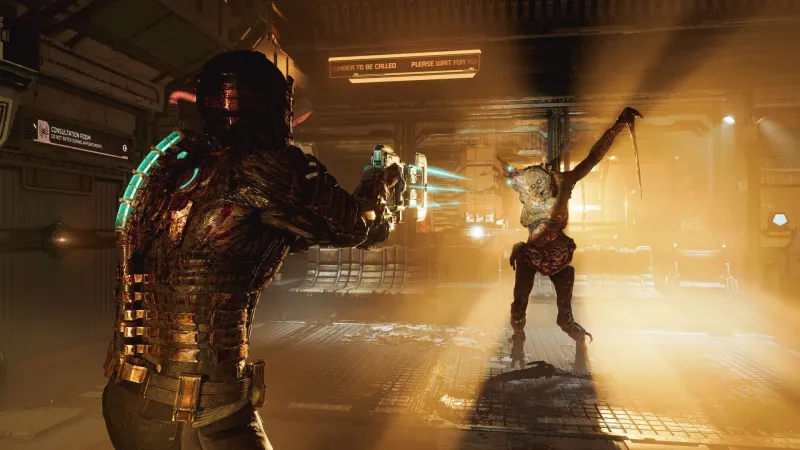
Visually, the Ishimura has never looked more grotesque or impressive. The lighting serves as the game’s greatest presentational strength, shifting seamlessly from suffocating, pitch-black corridors to the haunting, ethereal glow of planet Aegis VII. This graphical overhaul is complemented by a masterful sound design, featuring new, hair-raising audio cues and visceral screams that ensure the player is constantly on edge.
Refined Combat and Dismemberment
Combat feels tighter and more responsive, borrowing control schemes from modern third-person titles. The signature dismemberment mechanics are more strategic than ever, thanks to a new damage system that reveals layers of bone, muscle, and skin as you blast away at enemies. Whether you are using the plasma cutter to surgically remove limbs or the flamethrower to expose weak points, the combat remains incredibly satisfying. The inclusion of DualSense features on PlayStation 5 adds a tangible layer of feedback to every encounter.
The Living Ship: Exploration and Pacing
The level design of the Ishimura has been expanded for better connectivity. Players can now navigate between sectors without relying solely on the tram system, making the ship feel like a cohesive, organic environment. Furthermore, the zero-gravity segments—previously a point of frustration in the original—have been overhauled with modern controls, transforming them from disorienting hurdles into fluid, manageable sequences.
A Dynamic and Unpredictable Threat
One of the standout features of this remake is the unpredictable nature of backtracking. Necromorphs can reappear in cleared zones, ensuring that no hallway ever feels truly safe. This dynamic encounter system forces players to remain vigilant, as you never know if a return trip will be uneventful or a brutal ambush. This constant state of tension is bolstered by new sidequests that provide additional context to the ship’s dark history and the origins of the Necromorph threat.
Ultimately, Motive Studios has avoided the trap of “reinventing the wheel,” choosing instead to polish the original experience to a mirror shine. By enhancing the gameplay, visuals, and narrative cohesion, Dead Space is now a perfect entry point for newcomers and a rewarding, nostalgic trip for veterans. It is a shining example of how a remake should be handled, proving that there is still plenty of life left in this terrifying universe.