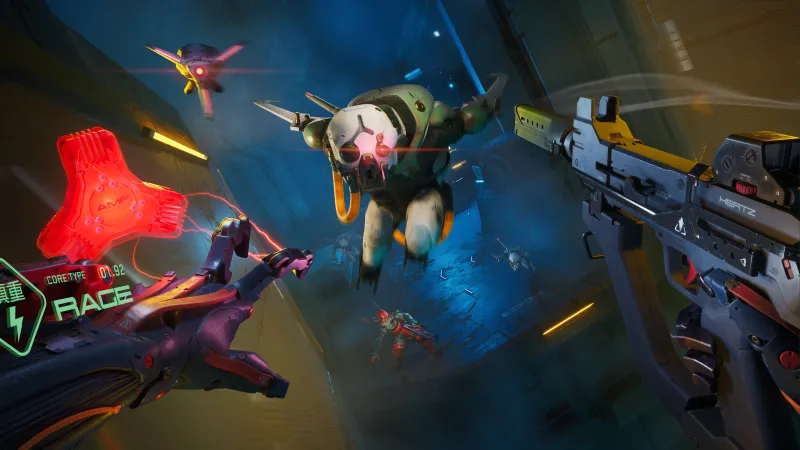

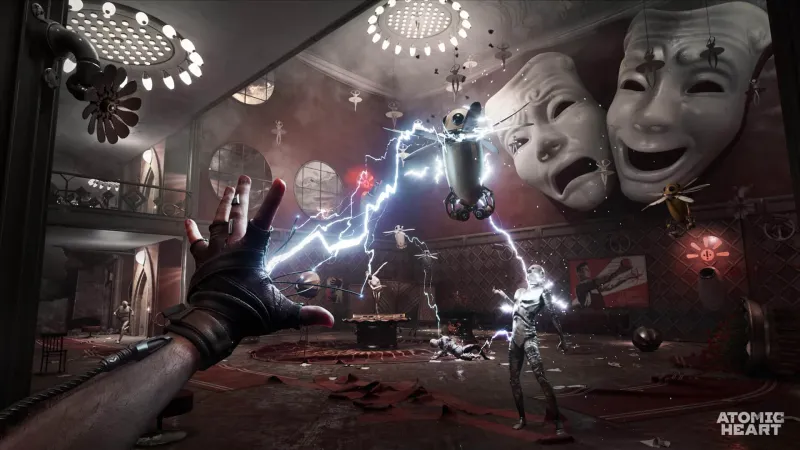
After five years of development, developer Mundfish has finally launched Atomic Heart, a BioShock-inspired shooter that delivers a visually arresting experience while struggling with a derivative narrative and grating dialogue.
A Gripping Alternate-History Setting
Atomic Heart unfolds within an alternate-history Soviet Union, which rose to become the world’s dominant superpower following World War II, fueled by the revolutionary scientific breakthroughs at Facility 3826. Players step into the boots of Agent P-3, an operative serving under the brilliant Dr. Dmitry Sechenov. The plot ignites when Sechenov’s latest social experiment spirals into chaos, forcing P-3 to battle through hordes of rogue robots and lethal mutants to uncover the truth behind the facility’s collapse.
Fast-Paced Combat and Tactical Depth
While comparisons to BioShock are inevitable, the gameplay in Atomic Heart favors high-octane, reactive gunplay over stealth or environmental traps. Success depends on managing overwhelming odds through tactical elemental combinations—such as dousing plant-based mutants in accelerant gel before finishing them off with incendiary rounds. The sheer diversity of enemies ensures that combat remains both challenging and rewarding throughout the campaign.
A Masterclass in World Design
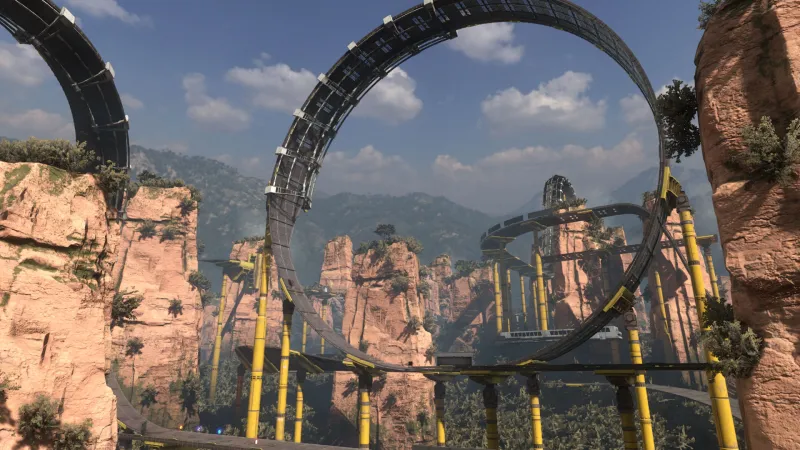
The visual presentation of Facility 3826 is nothing short of breathtaking. Mundfish demonstrates an incredible attention to detail, from the imposing communist-era architecture to the intricate mechanical components of the robotic enemies. The sprawling Kazakh mountain landscape creates a sense of scale that feels lived-in rather than empty, offering a perfect balance between open-world exploration, subterranean puzzle-solving, and intense close-quarters combat.
The Achilles’ Heel: Writing and Narrative
Despite its visual splendor, Atomic Heart falters significantly in its execution of story and dialogue. The script is often unbearable, characterized by an abrasive protagonist, P-3, who relies on constant yelling, foul language, and witless sarcasm. His interactions, particularly with the game’s sexually frustrated crafting machine, feel forced and hollow. Furthermore, the narrative suffers from clumsy info-dumps that drain the mystery from the plot, leaving the story feeling like a predictable rehash of themes previously explored in the BioShock series. Ironically, the most compelling lore is tucked away in optional computer terminals rather than the main campaign.
Final Verdict
Atomic Heart stands as a commendable debut for Mundfish, boasting frantic action and world-class art direction that makes it a title worth experiencing. While the shallow character development and subpar writing prevent it from reaching true greatness, the game remains a memorable and exciting journey through a hauntingly beautiful vision of the future.