
WrestleQuest, the ambitious crossover between classic RPG mechanics and professional wrestling, fails to deliver a knockout punch due to inconsistent design and frustrating gameplay loops. While it attempts to capture the magic of titles like Chrono Trigger, the execution suffers from a lack of polish that consistently undermines its own momentum.
A Visual Slam Dunk
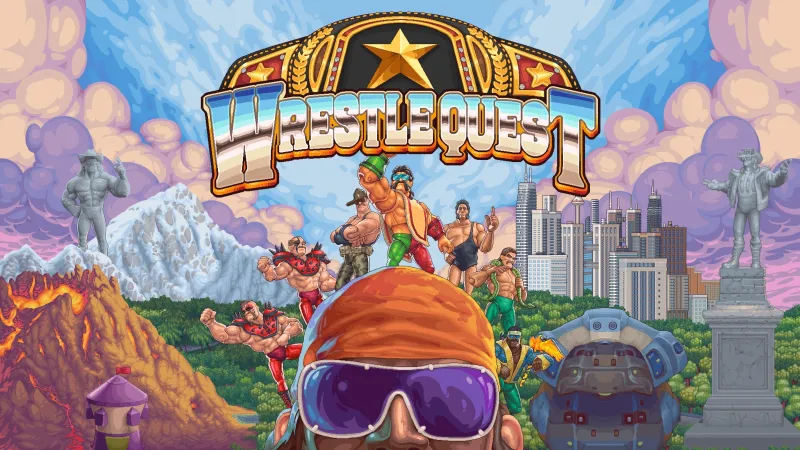
The game unfolds within a vibrant toy box universe inhabited by action figures. Much like a blend of Toy Story and the over-the-top world-building of Ultimate Muscle, WrestleQuest truly shines in its presentation. The colorful art direction, quirky character designs, and fluid animations create an engaging atmosphere that perfectly celebrates the wacky, theatrical nature of sports entertainment.
Narrative Chaos and Lackluster Writing
Players take on the role of Randy “Muchacho Man” Santos, an aspiring star who believes wrestling is real and is determined to stop a promoter from turning the sport into mere entertainment. While the premise is solid, the journey is hampered by a disjointed narrative. The story frequently jumps between disparate groups—from Hart Foundation-style teams to street-wise thugs—making it difficult to stay invested. The writing relies heavily on surface-level tropes and references rather than compelling character development, resulting in a narrative that feels both chaotic and flat.
Turn-Based Combat: Potential Meets Frustration
The combat system draws inspiration from the Mario RPG playbook, utilizing timed button presses and QTE-style mechanics. The “Hype” meter, which rewards skillful play by granting bonuses based on crowd favor, is a clever nod to wrestling psychology. However, the game’s difficulty spikes are erratic. Because players cannot flee battles or skip cutscenes, difficult encounters often devolve into repetitive, infuriating wars of attrition that force players to reload saves and lose significant progress due to poor checkpointing.
The Trouble with Scripted Bouts
Some encounters force players into “scripted” objectives, such as intentionally losing Hype or letting an opponent dominate the match. These moments are arguably the game’s lowest points. Because there is no “pass” option, players must rely on the AI to cooperate, which rarely happens smoothly. It turns potentially strategic moments into tedious chores where you are forced to waste healing items simply to avoid accidentally winning the match.
Outdated Systems and Exploration Hurdles
Party management feels archaic; new allies join at Level 1, requiring tedious grinding to make them viable. Furthermore, the lack of a comprehensive map makes navigation a constant headache. Players are forced to rely on vague signposts and a limited minimap, leading to unnecessary backtracking through areas that have already been cleared. These issues are exacerbated by a restrictive save system that limits players to only three slots, making it dangerously easy to save yourself into an unwinnable situation.
Ultimately, WrestleQuest is a game filled with imaginative ideas that unfortunately succumb to a thousand small technical and design flaws. While die-hard wrestling fans might find enough charm to carry them through, the experience is currently held back from greatness, requiring significant refinement before it can truly claim a championship title.