

Lords of the Fallen (2023) delivers a compelling yet ultimately exhausting experience, pairing a breathtaking dual-realm mechanic with frustrating pacing and repetitive combat that unravels after the halfway point. Despite a strong start, the 48-hour journey through the land of Mournstead becomes a chore due to lackluster level design and an over-reliance on enemy density.
A Promising Start in Mournstead
The game begins as a traditional Soulslike, casting you as a warrior tasked by a religious order to light five beacons across the treacherous land of Mournstead. Your ultimate goal is to prevent the resurrection of Adyr, a dark god seeking to plunge the world into chaos. The early hours provide the classic satisfaction of the genre: overcoming formidable foes, leveling up your character, and gaining confidence as you master the game’s core combat loops.
The Innovation of the Dual-Realm Mechanic
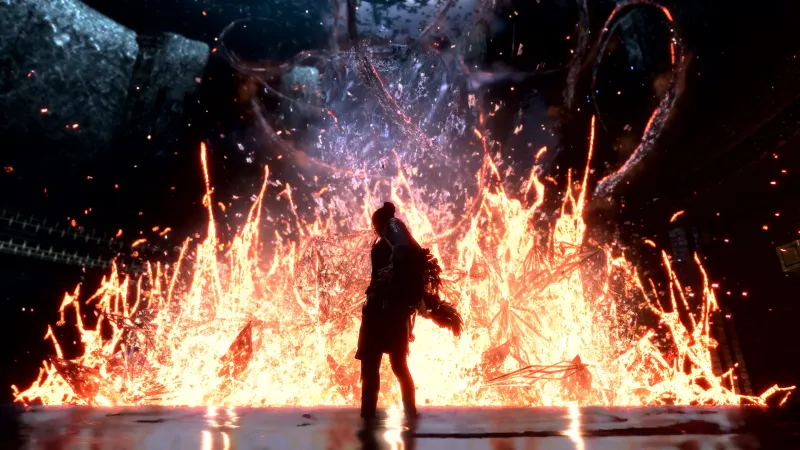
What sets this title apart is the integration of two distinct realms: the living world of Axiom and the land of the dead, Umbral. Players wield a special lamp that allows them to peer into Umbral in real-time. This mechanic is genuinely impressive, offering creative solutions to environmental puzzles—such as revealing paths or removing obstacles that exist only in one realm. Furthermore, Umbral provides a unique “second chance” system; dying in Axiom grants you a survival window in the dead realm, where you can fight to reach an emergence point and restore your vigor.
The Pitfall of Artificial Difficulty
While the Umbral realm is initially intriguing, it highlights the game’s primary flaw: Hexworks’ tendency to equate challenge with enemy quantity. Rather than creating balanced encounters, the game frequently floods corridors and staircases with excessive mobs, including recycled minibosses that lose their impact through sheer repetition. Combined with a finicky lock-on camera, these encounters often feel unfair rather than challenging, forcing players to sprint past sections rather than engage with the combat system.
A Journey That Loses Its Way
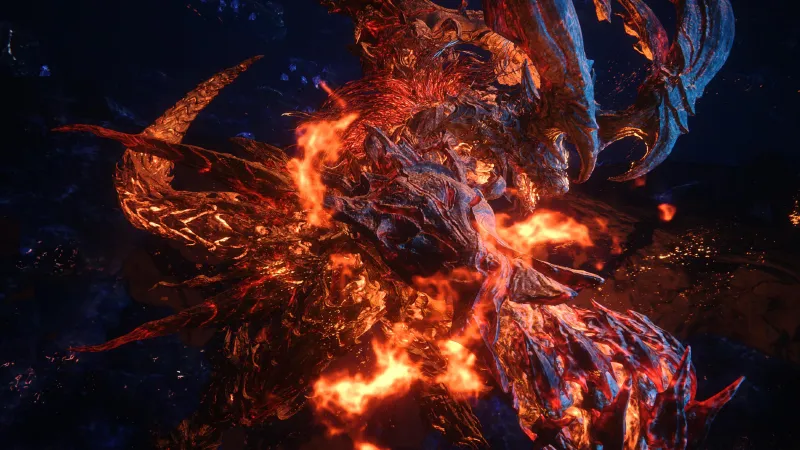
By the midpoint of the adventure, the initial excitement fades as the world design becomes stale and enemy variety hits a wall. The secrets and shortcuts that felt rewarding early on eventually feel mundane. This fatigue extends to the boss encounters, which struggle to impress in the latter half of the game. Some bosses, such as a gimmick-heavy fight requiring the destruction of exploding minions to lower health, feel more tedious than engaging.
A Solid Foundation, A Frustrating Finish
Minor technical issues—including persistent bugs, awkward camera behavior, and enemies with excessive aggro ranges—are magnified by the game’s length. While the voice acting is excellent and the world is undeniably beautiful, the experience fails to maintain its momentum. Rolling the credits brings a sense of relief rather than accomplishment, marking the end of a journey that began with immense potential but ultimately buckled under the weight of its own artificial padding.